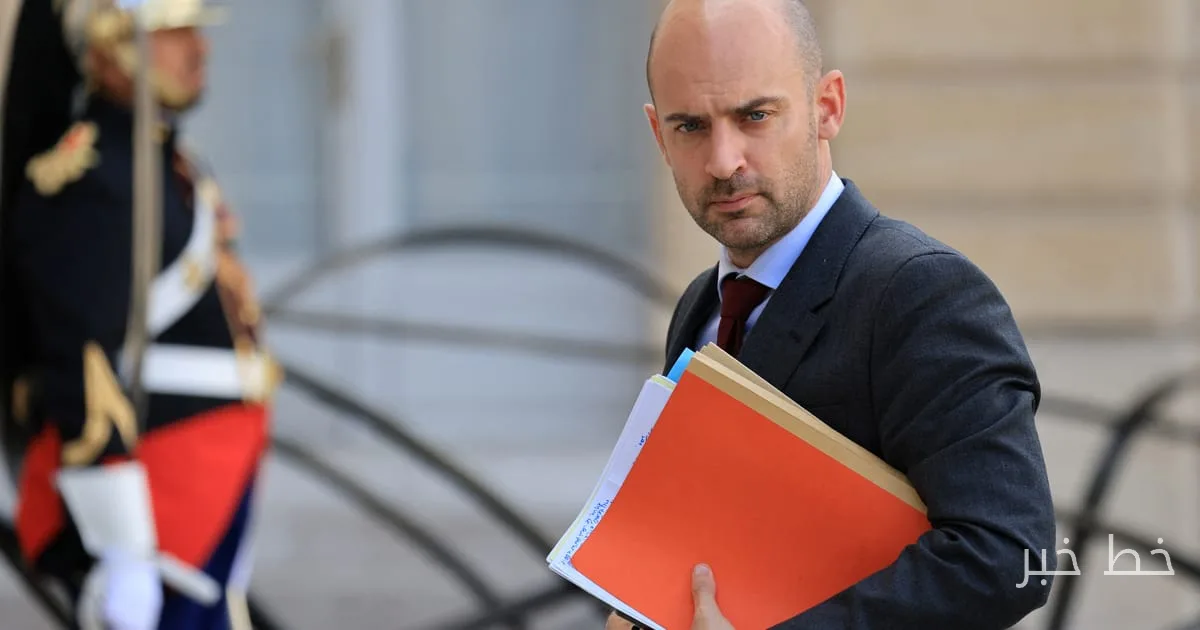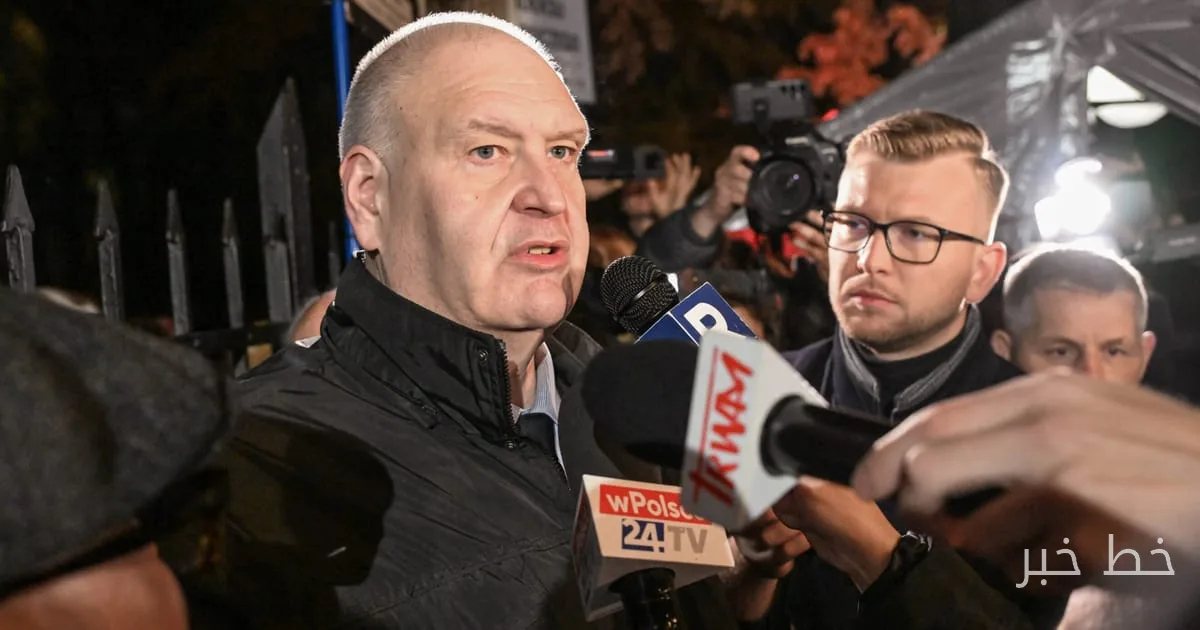
The Polish Constitutional Court was thrown into chaos on Friday evening due to attempts to remove the nationalist leadership. Judges who were barred from handling cases sought to oust the head of this institution, Juliusz Święczkowski, and his deputy, facing reactions from them over accusations of a coup.
Efforts to Change Leadership
Anna Krowin-Piotrowska, one of the judges of the court, issued a one-month suspension order for the president and his deputy, announcing that she would take over the presidency of the court. Juliusz Święczkowski, the court's president, rejected this order and raised accusations of a coup. Meanwhile, his deputy was also barred from entering the court building.
Protests in the Streets
Outside the court, protesters clashed with police, who announced that they had arrested three individuals after objects were thrown at officers. The police were also present to maintain security following warnings about threats to judges and staff on site, but did not enter the building.
The leader of the Law and Justice Party, Jarosław Kaczyński, participated in these protests and attempted to force his way into the court building. He accused Donald Tusk, the Prime Minister, of establishing a "coup" and turning Poland into a "police state," calling for presidential intervention.
Karol Nawrocki, the President who is an ally of the Law and Justice Party and considered a rival of Tusk, halted his official trip to Senegal and stated, "At such a moment, the President should be in Poland."
Tusk responded firmly, writing on platform X: "Restoring the rule of law is our duty. After years of law evasion by the Law and Justice Party, this is a difficult and sometimes painful process that requires decisive action. There is no other way."
The Constitutional Court, which has the power to annul laws, has imposed an almost complete ban on abortion during the rule of the Law and Justice Party and has challenged the supremacy of European Union laws. The European Court of Justice stated last December that this court does not meet European judicial standards.
However, efforts to change the composition of the court have faced resistance. Nawrocki refused to swear in five judges selected by Tusk, who had been approved by his parliamentary majority. These judges took their oath in parliament, but Juliusz Święczkowski barred them from handling cases.
Justice Minister Włodzimierz Żurek attributed the recent chaos to Juliusz Święczkowski, accusing him of turning the institution into his "private farm" and obstructing the duties of the newly elected judges. Żurek also announced that he had submitted five requests to lift the immunity of Juliusz Święczkowski and his deputy, along with 50 case files to the authorities, and defended Krowin-Piotrowska's action as a legal decision.