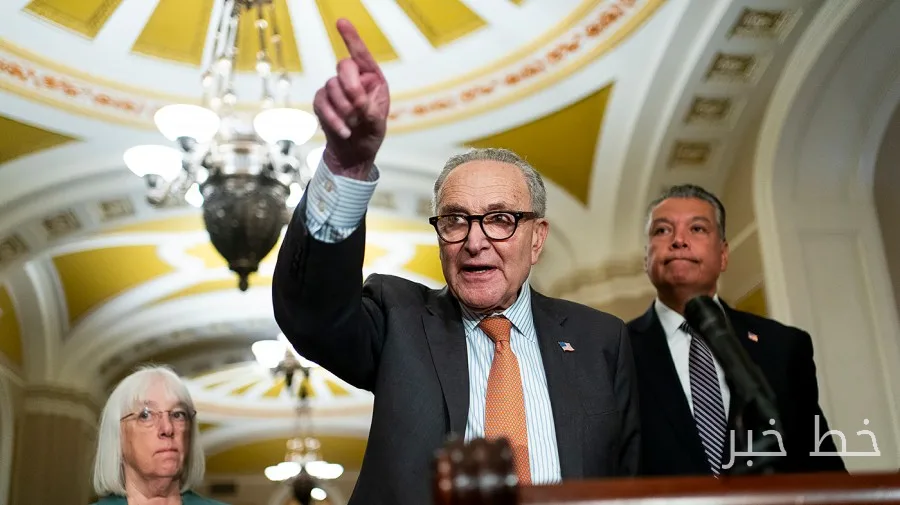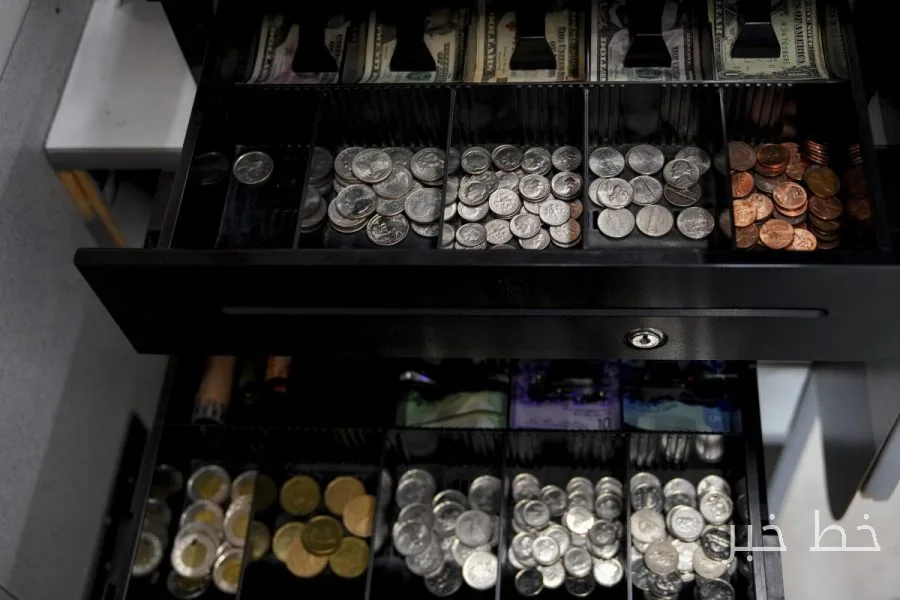
A bill that could bring significant changes to the nickel has recently been passed in the United States House of Representatives. This bill not only relates to the way people pay in cash but also indirectly refers to the end of the one-cent coin's lifespan.
Details of the Bill
This bill aims to reduce the costs of coin production and improve the efficiency of the cash payment system. With the passage of this bill, the nickel may be considered as another currency unit or even undergo some form of transformation. This action is intended to facilitate cash transactions and reduce the financial burden of producing underused coins.
Read more: The End of Good Days for Iranian and American Pistachio Farmers
Economic Consequences
The passage of this bill could have significant effects on the economy of the United States. With a reduction in the number of coins in circulation, production and distribution costs will also decrease. Additionally, this action could benefit small businesses that face challenges in cash management. On the other hand, some experts believe that the elimination of the one-cent coin may affect prices and lead to a slight increase in the prices of goods.
Socially, these changes could impact how people interact with cash. Many individuals are still accustomed to using small coins, and their removal may be difficult for some. However, given technological advancements and the increased use of digital payments, it seems that these changes are inevitable.
The Future of the Nickel and One-Cent Coins
While this bill has currently been passed, the future of the nickel and the one-cent coin remains uncertain. Some lawmakers believe that, given the economic and social changes, we may witness the complete elimination of small coins from the country's financial circulation in the future. This bill could be a turning point in the monetary history of the United States and pave the way for larger changes in the financial system.
Ultimately, the passage of this bill signifies fundamental changes in how money and payments are managed in the United States and could be seen as a positive step towards improving efficiency and reducing costs.
Read more: Edouard Philippe is Ready to Introduce New Retirement Reforms · Cynthia Lummis Asks Congress to Support the Transparency Act