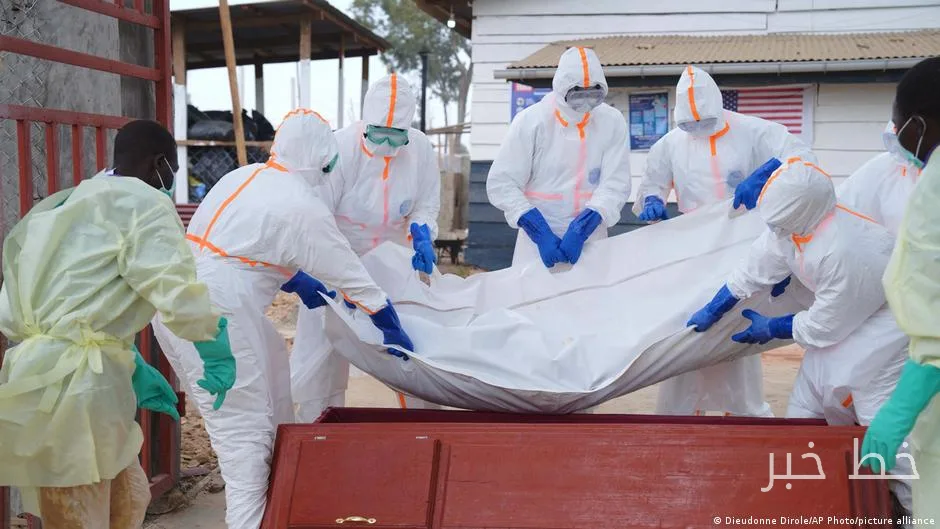
Doctors Without Borders (MSF) announced on Friday that "the race to control the Ebola outbreak in the Democratic Republic of Congo (DRC) is not over yet." These statements came after the DRC government and the World Health Organization (WHO) reported signs of reduced transmission in some areas.
Dimensions of the Ebola outbreak
The Ebola outbreak, which was first declared in mid-May, likely began several months prior and is now the largest in Congo's national history and the fastest recorded outbreak in the world. According to WHO statistics, this outbreak has so far killed over 3,500 people out of more than 7,200 confirmed cases.
Read more: Andy Kim introduces a bill to eliminate waiting periods for disability benefits
Doctors Without Borders warned that while a decrease in the outbreak has been observed in the initial epicenter of Ituri province, the number of new cases nationwide has not decreased. Anthony Kerguien, the emergency coordinator for the organization in the DRC, said: "Assuming that the outbreak is under control because some Ebola treatment centers are admitting fewer patients is a mistake."
Challenges in combating Ebola
Kerguien added: "The outbreak has moved south to Ubangi and is now affecting the seventh province, while the North Kivu region accounts for nearly half of all newly confirmed cases." He also pointed out that overlooked transmission chains are spreading in the worst-affected areas and stated: "The spread of the outbreak to new areas with weak response capacities poses a serious risk."
This outbreak includes a rare strain of the Ebola virus called Bundibugyo, which means that existing treatments and vaccines, which are generally expensive, have not been tested, and their efficacy against this strain is uncertain.
Ultimately, issues such as strikes by medical staff and funeral customs that can increase the risk of transmission after death have also impacted efforts to contain the outbreak. The northern and eastern regions of the DRC are difficult to access due to instability, poor health infrastructure, and the presence of various armed groups.
Read more: The feet of individuals grow larger with age · Second death confirmed in Legionnaires' disease cluster in the Bronx