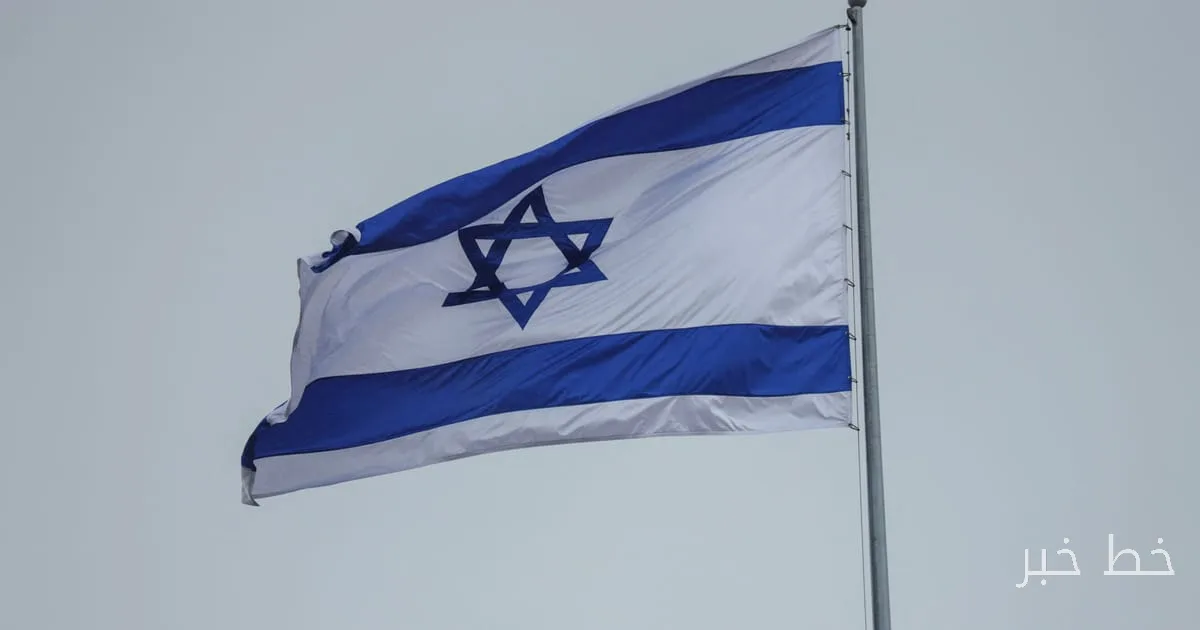
The European Commission will review its cooperation agreement with Israel. This decision was made after more than 1.1 million citizens of the European Union signed a public petition in this regard.
Review of the petition and meeting with organizers
The European Commission announced that it will meet with the organizers of this petition in the coming weeks to discuss the details of this initiative. A public meeting will also be organized by the European Parliament. Although this review is not expected to lead to fundamental changes in the status quo, the high number of signatures indicates the importance of the issue of EU-Israel relations among the people of Europe and obliges the Commission to provide an official response.
History and context of the agreement
Of the 136 registered petitions over more than a decade, only 14 petitions reached the threshold of one million signatures to be formally presented to the European Commission. The EU citizens' initiative mechanism requires the Commission to review petitions signed by more than one million citizens from more than seven countries. Previously, the Commission rejected another petition for expanding funding for abortion that had 1.2 million signatures.
This initiative was launched nearly two years ago by the European Left Coalition, a group consisting of 11 leftist political parties. This group stated that the EU should suspend its trade and political dialogues with Israel due to what it considers serious human rights violations in Gaza.
The highest number of signatures was recorded from France with 33,947, Italy with 283,863, and Spain with 151,821 signatures. The European Commission will respond to this petition by May 2027 regarding whether it has plans to act in response to this request.
The cooperation agreement, signed in 1995 and implemented in 2000, includes political and trade dialogues between the EU and Israel. This bloc is Israel's largest trading partner, accounting for about one-third of the country's total trade with the world in 2025.
The wars in Gaza and Lebanon have provoked severe criticisms of Israel and caused divisions among European leaders.