The European Union (EU) has approved its largest sanctions package since the onset of Russia's full-scale invasion of Ukraine. This package specifically focuses on the Kremlin's ability to produce missiles and includes 1,600 new names introduced as part of efforts to weaken Russia's military industry.
Details of the Sanctions Package
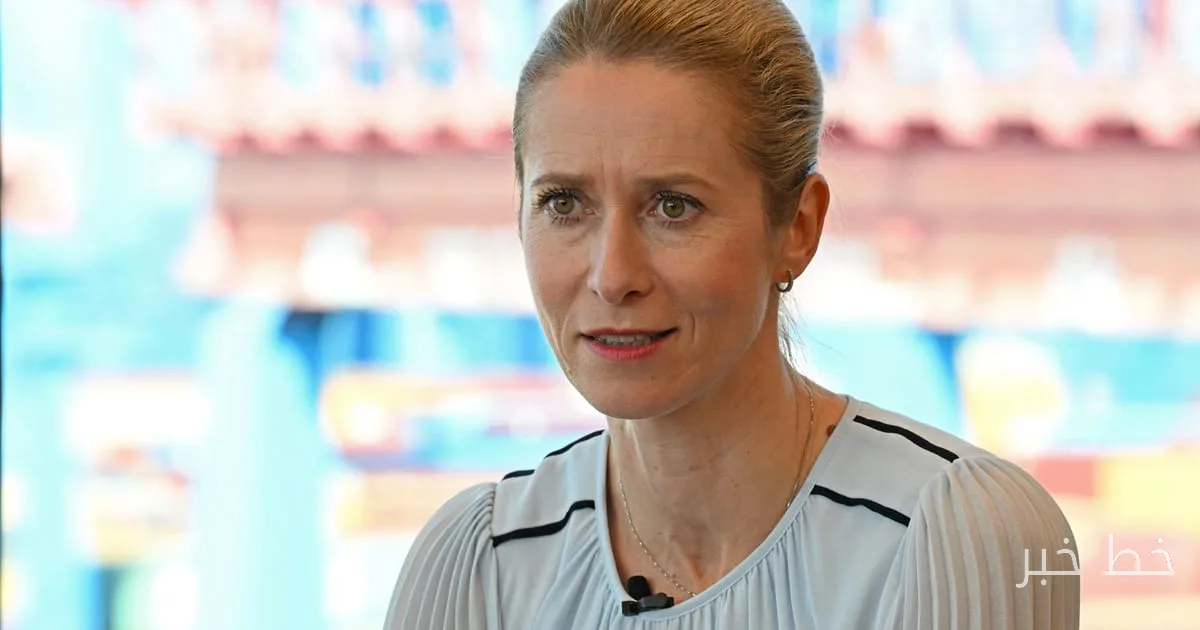
EU foreign ministers confirmed this sanctions package at a meeting in Luxembourg. Kaya Klasis, the EU's senior diplomat, announced on social media platform X that this package is "the largest expansion of our sanctions list since the start of the war with Russia." She also emphasized that over half of the new names are linked to the production chain of ballistic missiles.
Read more: Diplomatic Tension Between South Korea and Ukraine Over Prisoners of War
These sanctions follow the removal of the names of Alisher Usmanov and Mikhail Friedman, two of Russia's wealthiest individuals, from the sanctions list last month. This removal was a result of tense negotiations among EU capitals.
Consequences of the Sanctions
Monday's approval was merely a formality after EU countries reached an agreement in previous negotiations regarding the sanctions list. Klasis added, "We are making it significantly more difficult, slower, and more expensive to produce the weapons that Russia uses to kill Ukrainians."
This sanctions list will be valid for three years and will require renewal thereafter. This action clearly demonstrates the EU's determination to support Ukraine and counter Russia's aggressions.
This new sanctions package was approved amid ongoing tensions between Russia and the West, with many countries seeking to strengthen their stance against Moscow. By approving these sanctions, the EU indicates its intention to increase pressure on Russia to compel Moscow to cease its military actions in Ukraine.
Read more: The Tiger That Killed a British Man Will Not Be Executed at the Zoo · Analysis of the Status of Green Public Transport in Europe