The European Union is currently facing significant challenges, including achieving its largest budget in history, financing Ukraine, and managing geopolitical pressures from the United States and China. At the same time, this entity is confronted with internal political crises in its major countries, which account for about 60 percent of the Union's GDP and population.
Election and Political Challenges
Nikos Christodoulides, the President of Cyprus, stated in an interview: "Everyone knew we had to reach a political agreement by the end of the year." However, he noted that the elections in Spain have disrupted this plan. He also referred to upcoming elections in France, Italy, and other countries, predicting that this situation will lead to more complexities.
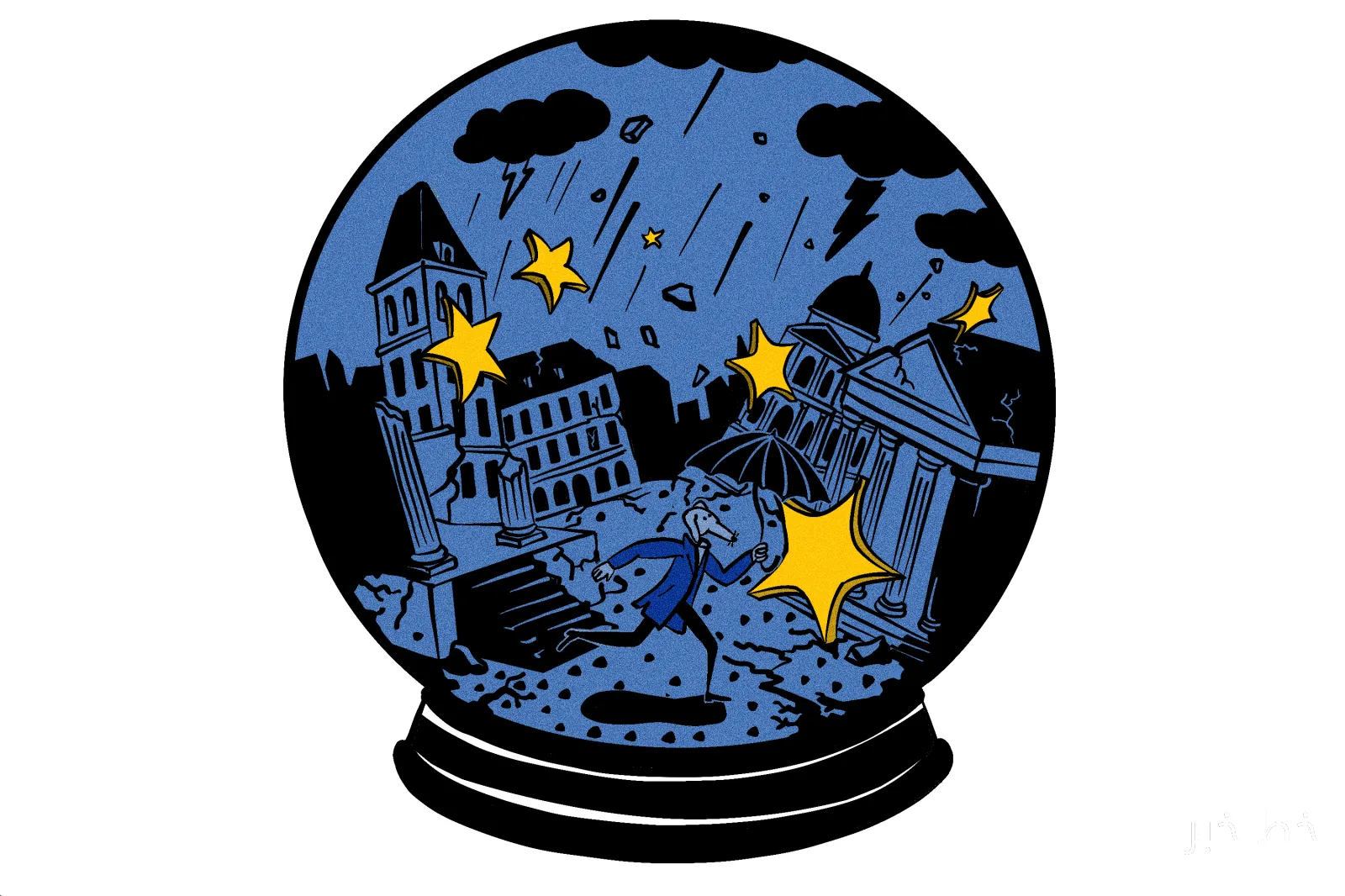
The European Union is facing an unprecedented dilemma. All four major economies of the Union are heading towards elections or political unrest, which may limit the bloc's ability to take any action.
Economic and Political Consequences
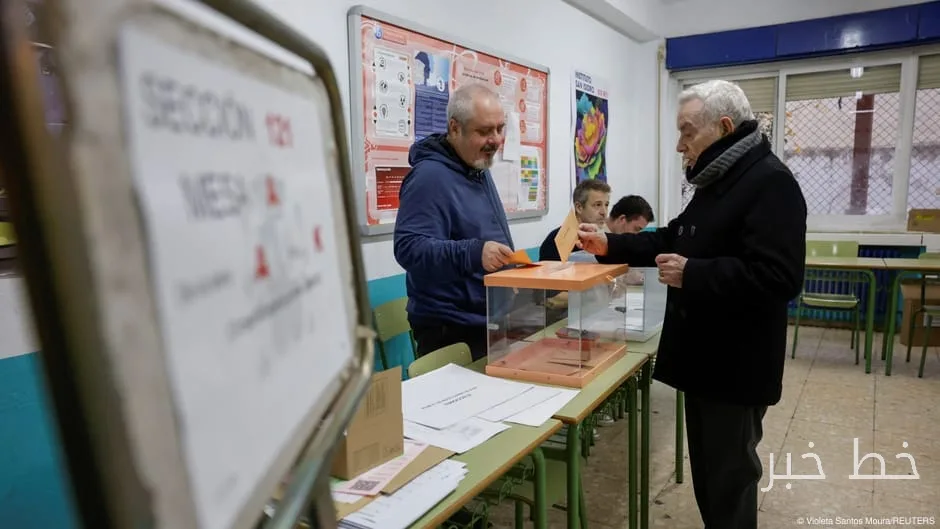
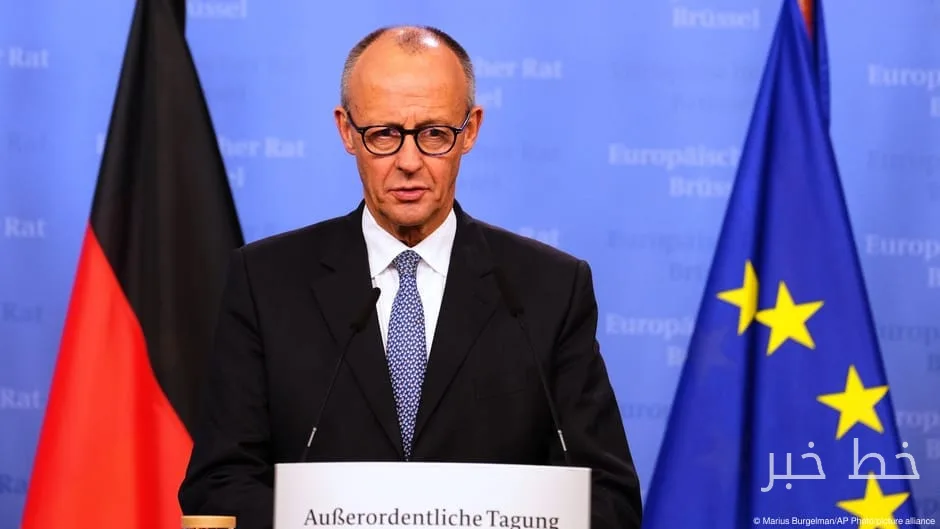
Spain will go to the polls next month, and it is expected that center-right and far-right parties will come to power. In France, the presidency will change in April, and polls favor Marine Le Pen, the far-right figure. Additionally, the rise of the "Alternative for Germany" party has raised doubts about the chancellorship of Friedrich Merz. Furthermore, Italy's Prime Minister, Giorgia Meloni, will also be running for election in 2027.
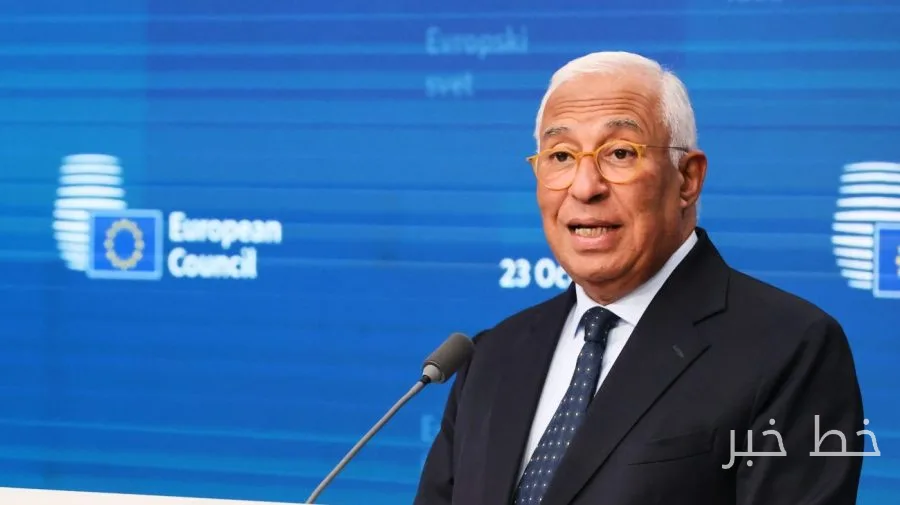
The results of these developments were clearly reflected in the recent European Union summit. After two days of negotiations, leaders were unable to make progress on the €2 trillion budget and instead became embroiled in a bitter dispute over energy policy. The outcomes of the summit clearly indicated no agreement on the budget before the end of the year, and countries opposed the request of Antonio Costa, the President of the European Council, to set a deadline of the end of 2026.
If these summits fail to reach an agreement, tense negotiations will be pushed to 2027, when electoral battles are likely to have an even greater impact on negotiations, and governments may be less willing to make necessary agreements.
The President of Ukraine, Volodymyr Zelensky, expressed despair at the recent summit, warning that if Ukraine falls, 20 million Ukrainians will flood into the European Union. He said: "Russia is killing us and does not want to stop." Meanwhile, Ukraine is facing a budget deficit of between $30 to $35 billion for the next year.
The biggest challenge facing the European Union is the lack of strong leadership. In the absence of prominent figures like Angela Merkel or Mitterrand, this entity may struggle to achieve the necessary agreements.