The European Union (EU) has recently introduced a new program called "Northern Neighborhood" to strengthen its presence in the Arctic. This program is designed in response to the increasing military and commercial activities in the region due to climate change.
New Challenges in the Arctic
Ursula von der Leyen, President of the European Commission, emphasized during the introduction of this strategy that "the Arctic is one of the places where geopolitical tectonic plates collide." She referred to the expansion of Russia's military base and the competition for emerging sea routes and vital resources that will transform the future of Europe's security and economy.
Read more: Zelensky Pressures European Leaders for More Support for Ukraine
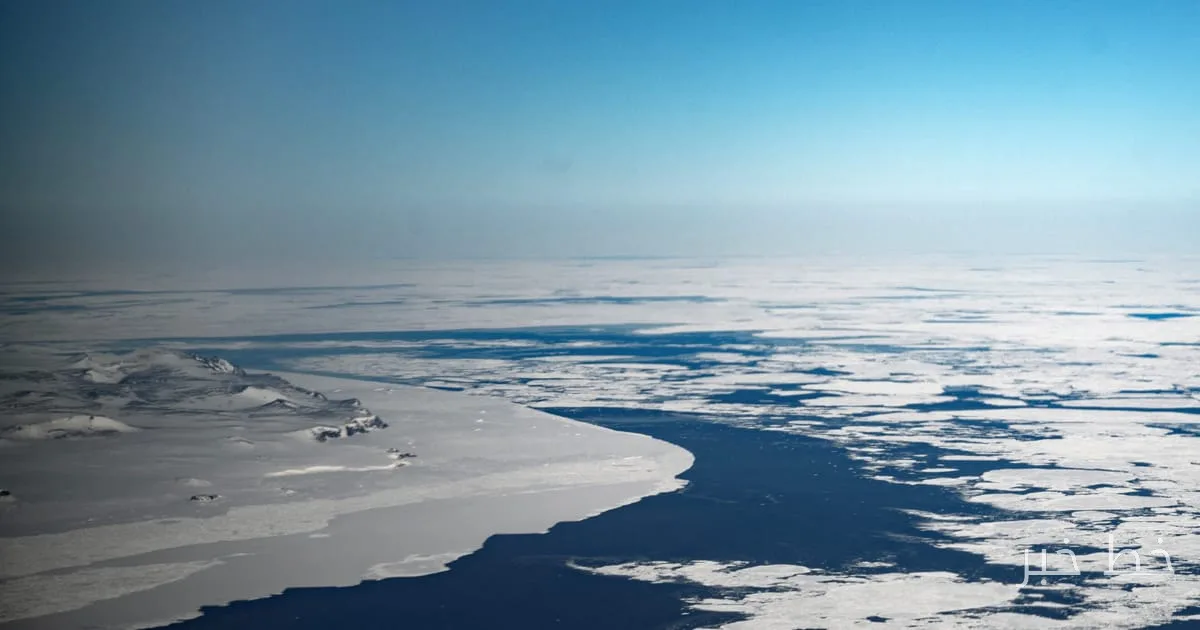
Climate change has major impacts on the Arctic. Greenhouse gases are causing ice to melt and disrupting the fragile ecosystems of the region. As the ice disappears, countries like China, Russia, and even Canada are looking to exploit new opportunities.
Changes in European Policies
The European Union is updating its existing policies regarding the Arctic, which were primarily focused on environmental protection. Now, these policies place greater importance on security, transportation, and resource extraction. The new program includes launching research projects using satellites and marine observations in 2027 and sharing ship tracking data to identify Russia's shadow fleet.
In the long term, the European Union aims to establish a maritime security center to gather information about various threats, including sabotage of undersea cables and illegal fishing. This program also includes the creation of an Arctic cable center alongside NATO to monitor and protect undersea cables in the North Atlantic and the Arctic.
Mika Altola, a Member of the European Parliament from the European People's Party, believes that this new focus on the Arctic is long overdue. She stated, "Europe has not thought enough about the Arctic. Due to melting ice and climate change, this region is becoming somewhat of the next great arena of competition."
This new policy also adheres to the EU's commitments not to drill in the Arctic. Under this program, the EU will continue to develop renewable energy projects in the region but has backed away from its previous commitment to encourage other countries to follow this approach.
While many critical raw material projects in this region face local and tribal resistance, the European Union will continue to collaborate with countries such as Canada, Greenland, Norway, and the United States to develop these projects. This collaboration must comply with "the highest social, environmental, and governance standards" and be in the interest of local communities.