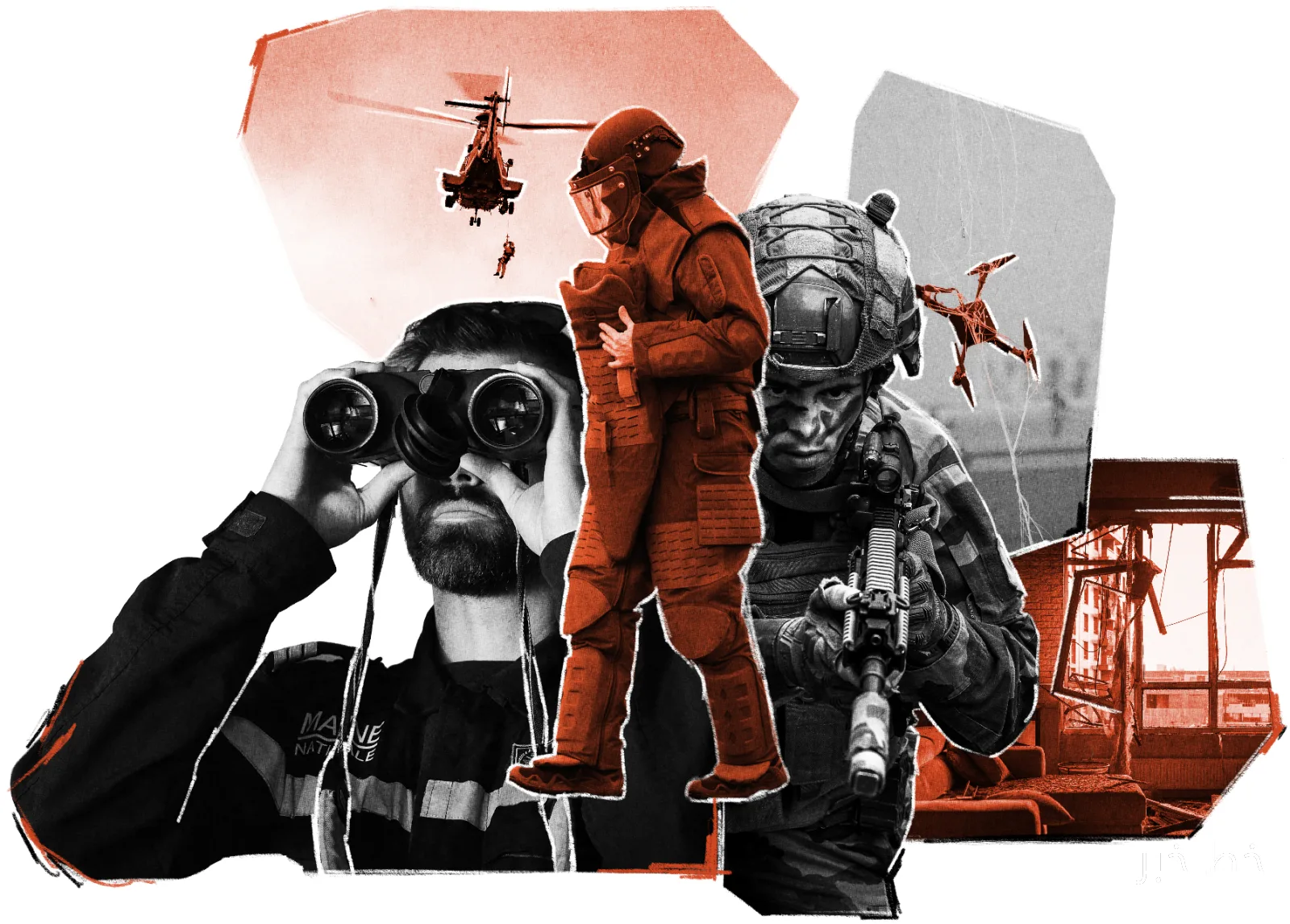
The European Union is secretly preparing for how to respond to a major hybrid attack that could kill several citizens. This scenario, which appears increasingly likely, has been the subject of discussion among diplomats and EU officials in recent weeks.
Disagreements Over the EU's Security Role
The preparations reflect disagreements over the extent of the role that the European Union should play in security matters and whether these efforts overlap with NATO actions. Discussions regarding deadly attack scenarios have recently taken place among ambassadors from the 27 EU countries in a "limited" meeting held away from phones and aides.
Read more: The EU's new plan to strengthen Europol using artificial intelligence raises privacy concerns
These discussions intensified following the discovery of a drone carrying explosives at Leipzig airport in August. While the EU has been discussing such scenarios for years, recent talks have focused on the risk of more serious attacks that could leave significant casualties.
Increasing Threats and the Need for Action
Following Russia's full-scale attack on Ukraine, the EU has stated that Moscow has intensified cyber campaigns, sabotage, and other covert operations across the bloc. European officials emphasized that Europe's democracies are facing increasing threats and are strengthening their capacity to anticipate and identify threats.
Discussions among diplomats and EU ministers have centered on deploying emergency response teams, releasing EU financial resources to assist affected countries, and how to communicate among leaders of EU institutions. A senior EU diplomat said, "We must be prepared for a serious incident."
However, these efforts have faced criticism from some capitals, which argue that the EU is overstepping its security role and may replicate NATO's core functions. Criticisms also point to insecurity in communications and the potential for sensitive information leaks during these gatherings.
The President of the European Commission, Ursula von der Leyen, has proposed an emergency security protocol to help EU countries coordinate in similar scenarios in an effort to bolster the EU's security credibility. However, some diplomats believe these efforts may take months and could replicate existing functions.
Read more: The ruling party of Andris Kļaviņš easily won the elections in Latvia · Trump announced the possibility of establishing a U.S. military base in Lithuania