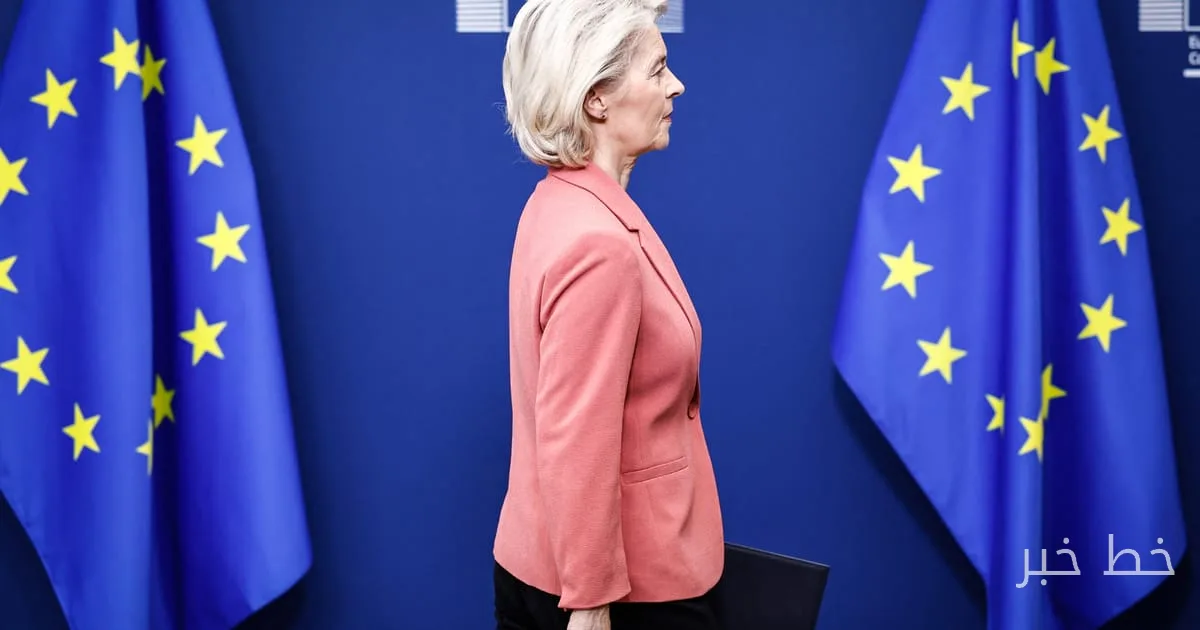
The European Union (EU) proposes that candidate countries, some of which have been waiting for years to join this institution, gradually gain access to the single market. This proposal includes barrier-free trade and access to research programs and is presented while the requests of these countries are under review.
Economic Development and Convergence
A review of the benefits of "pre-accession" offered to candidate countries states: "The single market is the top priority for economic convergence." This review emphasizes that early integration provides opportunities for EU businesses and strengthens European value chains.
Read more: Magdalena Andersson Unable to Form Government After Electoral Victory
According to the Commission's plan, the economic benefits offered to candidate countries depend on their support for the EU's foreign policy objectives. Access to the single market is conditional on these countries not sharing key technologies with hostile nations and trade rivals.
Participation in Sensitive Sectors
This review points out that industrial integration and the market must be accompanied by cooperation in sensitive areas. This includes investment controls, export controls, enforcement of sanctions, and protection of sensitive technologies. Access assessments must consider strategic alignment, critical dependencies, and the ability to manage risks.
Among the areas identified for closer cooperation are semiconductors, quantum technologies, biotechnology, artificial intelligence, and space. These areas are prioritized due to their strategic and economic importance.
EU leaders will discuss how to accept new members and what is proposed to candidate countries at a two-day meeting in Brussels starting on October 15. This meeting will address the challenges and opportunities facing the EU in the context of expansion.
Existing Challenges and Requirements
However, the benefits depend on these countries meeting specified requirements. If these requirements are not met, participation must be reversible, and access should be suspended or revoked.
Current EU member states have concerns about accepting new countries that may defy their commitments and impact key policies. For example, Hungary under the previous premiership of Viktor Orbán used its veto power to block sanctions against Russia and support for Ukraine.
This review also emphasizes that the accession process should be more than just legal alignment. Institutions must work in practice, and reforms must be sustainable. Therefore, monitoring, incentives, and enforcement of laws should form a continuous framework that goes beyond accession.
The EU is also considering changes to accommodate broader membership to reduce its vulnerability to individual member states' tendencies. This review concludes that the institution can change its rules to achieve more decisions by a qualified majority of members.
Read more: Greek Migration Minister Calls for Expulsion of Rejected Asylum Seekers from the EU · Trump Administration Returns to Court Over Tariffs