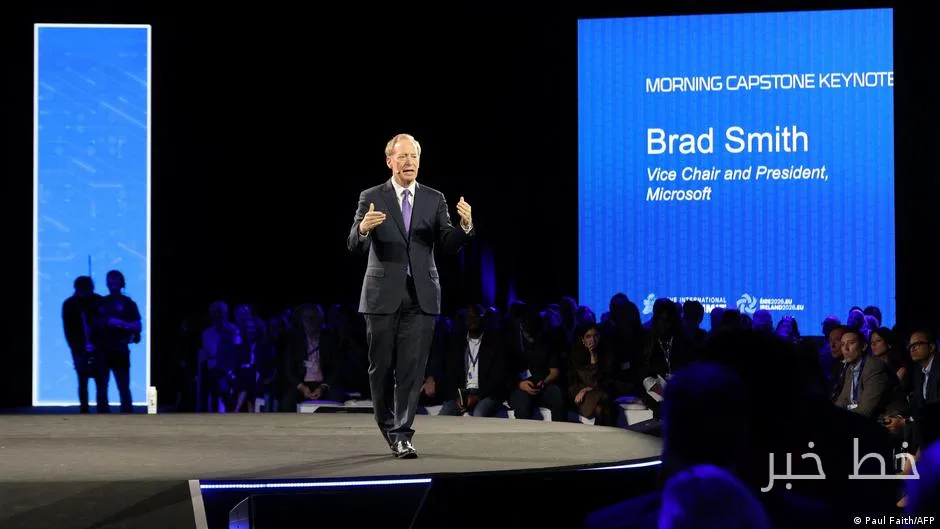
The European Union is striving to enhance its capabilities in light of the need for innovation in artificial intelligence. In this context, Mario Draghi, former President of the European Central Bank, pointed out in a report in 2024 the necessity for greater competitiveness of the European Union, stating that artificial intelligence "may be the most promising" way to boost growth in the region.
International Artificial Intelligence Conference in Dublin
Draghi also warned that lack of access to artificial intelligence in the future could be akin to losing access to the US financial system, which would have catastrophic consequences. He raised this issue in an article for a reputable media outlet. Subsequently, the International Artificial Intelligence Conference was hosted by the Irish government as part of the rotating presidency of the European Union in Dublin. The slogan of the conference was "Harnessing Artificial Intelligence to Revolutionize Europe's Competitiveness."
Read more: Apple TV Renewed Season Two of "Maximum Pleasure Guaranteed"
Call for Safety and Innovation
Micheál Martin, the Prime Minister of Ireland, emphasized that his country is strongly committed to artificial intelligence and referred to the statement by the President of the European Commission, Ursula von der Leyen, that this technology represents a "milestone." Martin stated that Europe must balance innovation and safety to reap the benefits.
At this conference, Henna Virkkunen, Executive Vice President of the European Commission, announced the commencement of the European Union's executive actions under the new Artificial Intelligence Act and called for information regarding security and safety from providers of advanced artificial intelligence models. However, other issues that have drawn significant criticism, including the environmental impacts of data centers and potential job loss risks, were rarely discussed at this conference.
Outside the venue, a group of protesters led by the left-wing political party "People Before Profit" criticized the conference for its lack of attention to these issues. Alexandra Di, one of the protest organizers, stated that "the lines are deliberately vague regarding the type of artificial intelligence being promoted."
Challenges Facing the European Union
Amid these efforts, the European Union still lags behind the United States and China in the development of artificial intelligence. The Union holds only 5 percent of the world's artificial intelligence computing capacity. While Ireland, as the President of the European Union, is presenting a policy document called the "Dublin Declaration" to enhance artificial intelligence capabilities in Europe, there are still some doubts about the Union's ability to effectively regulate artificial intelligence.
Ed Wilson, CEO of Ryanair, expressed his doubts about Brussels' ability to regulate this industry, stating that "the last thing you want is for people who have no knowledge of this industry to regulate it."
Read more: Shandling EC Play Introduced as a Portable CD Player · Anthropic Warned of AI Malware Risks for Connected Devices