The far-right Alternative for Germany (AfD) achieved 43.8% of the votes in the Saxony-Anhalt state elections held on September 6, marking the highest percentage in the party's history. However, it is still unclear who will govern the state as the AfD did not secure an absolute majority.
Concerns about the rise of extremism
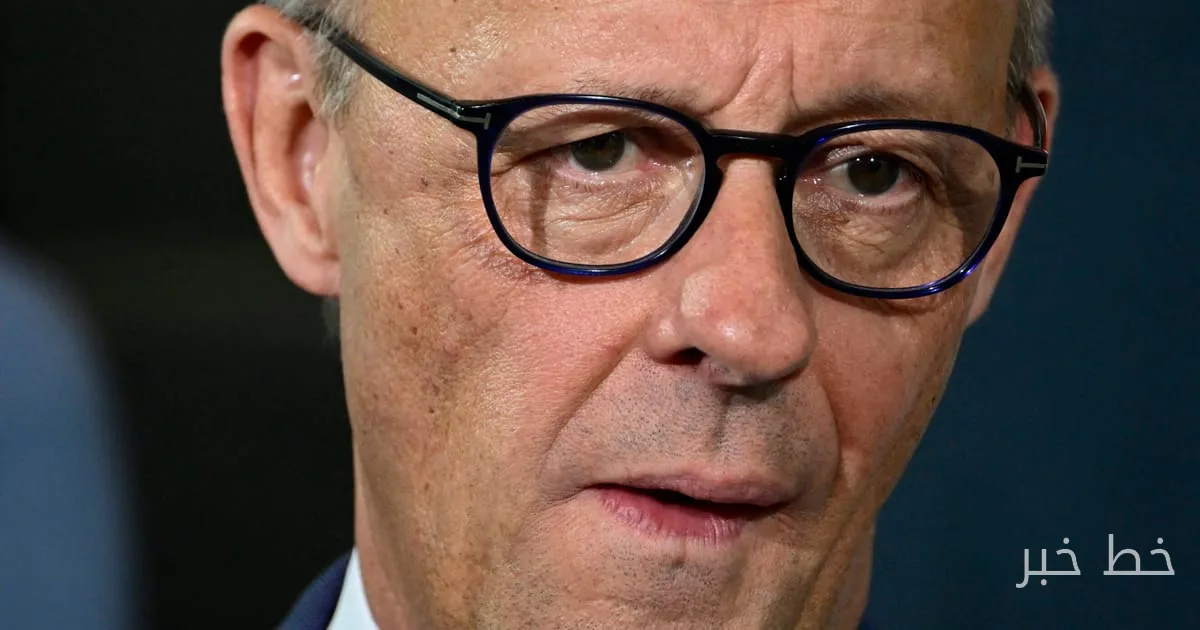
The significant victory of the AfD, whose Saxony-Anhalt branch is classified as a far-right group by Germany's domestic intelligence agency, has alarmed many Germans. Chancellor Friedrich Merz of the Christian Democratic Union (CDU) stated the day after the elections that he was "deeply shocked" by the election results, adding that this change is felt not only in Saxony-Anhalt but across Germany.
Read more: Marine Le Pen halted the withdrawal from NATO command until the end of the Ukraine war
The CDU lost more than half of its votes compared to the previous elections in Saxony-Anhalt, dropping from 37.1% in 2021 to 17.2% in 2026. Additionally, in the state elections in Mecklenburg-Vorpommern on September 20, the CDU failed to secure even 5% of the votes, finishing in fourth place with 4.9%.
Increase in social polarization
This election reflects the growth of parties at both ends of the political spectrum in Germany. Germany has experienced both far-right and far-left governments, and a return to extremist policies is frightening for some people. According to a monthly survey conducted by Ipsos, 18% of Germans are concerned about the rise of extremism in the country. Furthermore, 82% of respondents believe that Germany is heading in the wrong direction.
Kristin Pahl, a researcher at the Max Planck Institute in Berlin, stated that measuring political sentiments can include both quantitative and qualitative surveys as well as online content analysis. She added that simultaneous crises, such as the migration crisis and climate change, can lead to increased ideological polarization.
Far-right parties attempt to keep people satisfied by providing simple answers to complex issues. This leads people to believe that extremist politicians can solve their problems, which in turn results in further polarization of society.
Read more: Friedrich Merz promised fundamental changes in the CDU · Congress faces impeachment challenges with a difficult election ahead