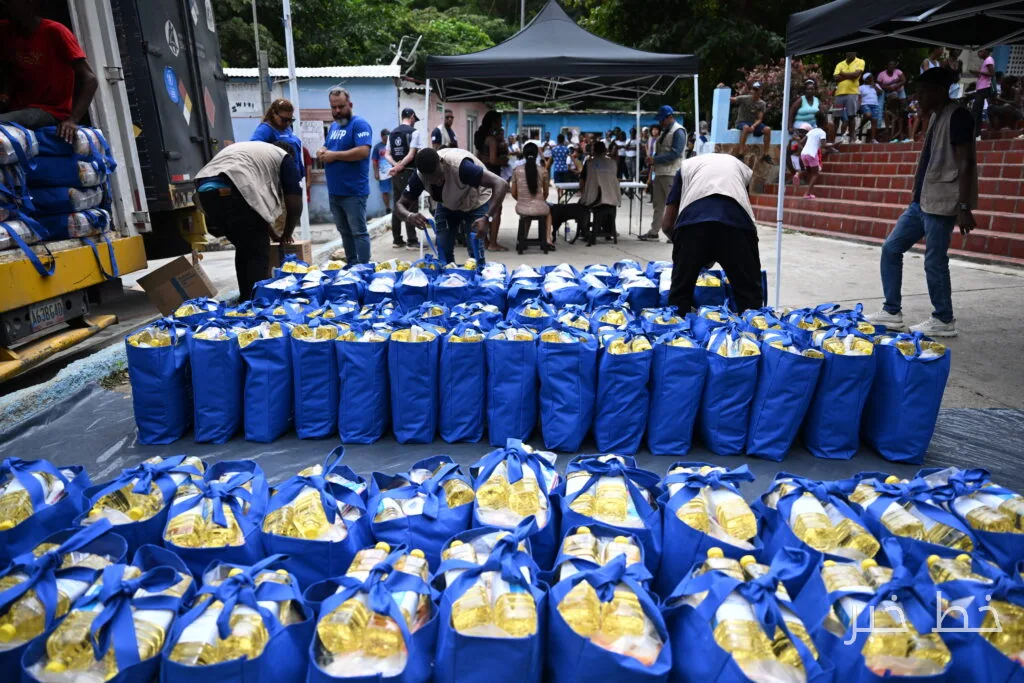
The head of the World Food Programme of the United Nations, David Beasley, warned about the dangers arising from the reduction of the European Union's humanitarian aid budget, stating that this action may negatively impact the bloc's dominance and influence in international negotiations.
Budget Cuts and Their Consequences
As European leaders negotiate the amount of funding for the future EU budget, initial funding plans for global development have decreased. The latest agreed position presented by the rotating presidency of Ireland in the EU Council reduces the global development package by €38 billion, which amounts to about 17% of the €177 billion.
Europe's Trust and Influence in the International System
Beasley emphasized that the European Commission has always acted as a reliable donor, which has granted the EU significant trust and influence in the international system. This influence has helped the EU shape the priorities of the World Food Programme, including commitments to gender equality, climate action, and support for vulnerable populations in the 2026-2029 strategic plan.
He warned that by reducing this funding, Brussels may lose this advantage, stating that the removal of this power could be very unfortunate. He also added that compared to the billions of euros allocated to defense, humanitarian aid is actually very minimal.
Reduction of Global Aid and Its Impacts
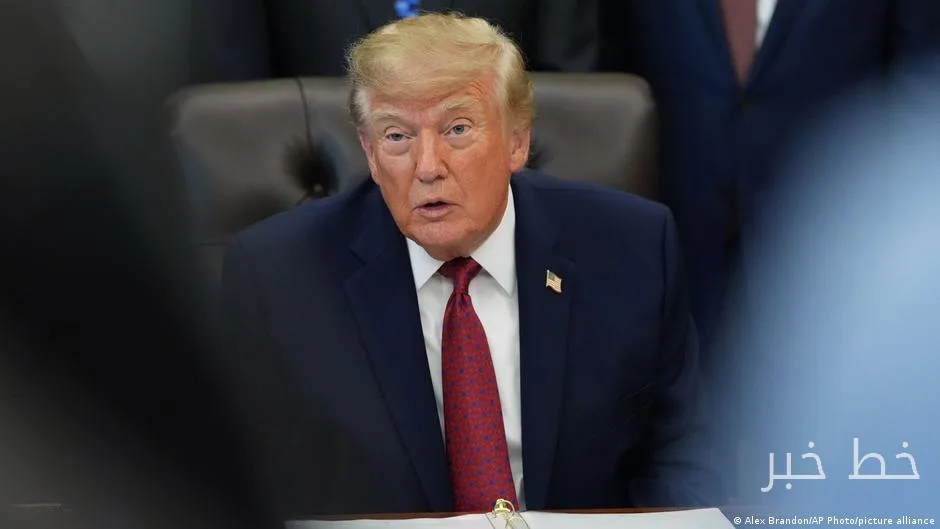
Global aid from the World Food Programme has decreased by 40% over the past two years. The largest donor to this organization, the United States, halved its contributions in 2025 under President Donald Trump. Germany, France, and the United Kingdom have also limited their budgets.
This reduction occurs at a time when the need for the organization's programs has never been greater. The World Food Programme's forecasts indicate that up to 363 million people may face acute food insecurity this year. Beasley stated that these cuts have humanitarian consequences, emphasizing that these programs are especially essential for women and children in countries like South Sudan, Afghanistan, and Somalia.