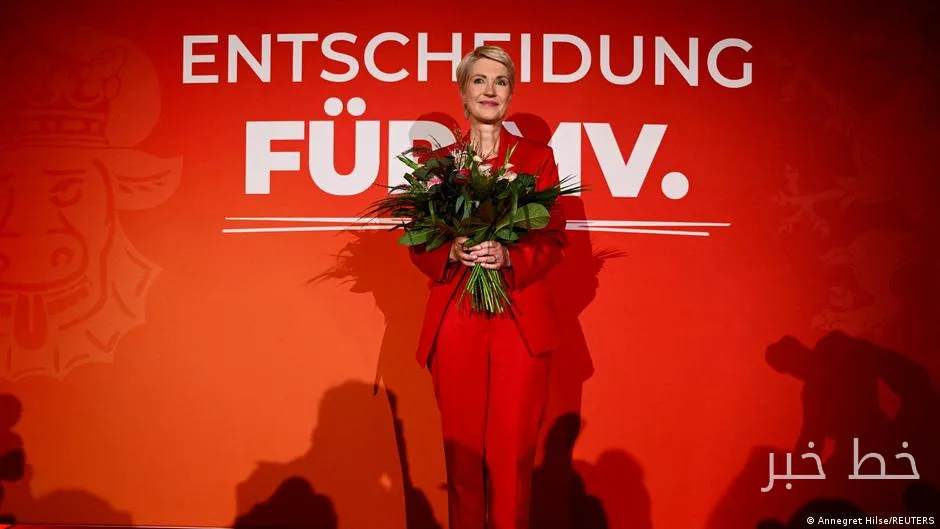
The German Social Democratic Party (SPD) finds itself in a difficult situation following the state elections in Mecklenburg-Vorpommern and Berlin. These elections, held in two of Germany's 16 federal states, have created mixed feelings among the party's members. Lars Klingbeil, one of the party leaders, expressed happiness at receiving over 30 percent of the votes, calling this success a sign of the party's strength.
Success of Manuela Schwesig
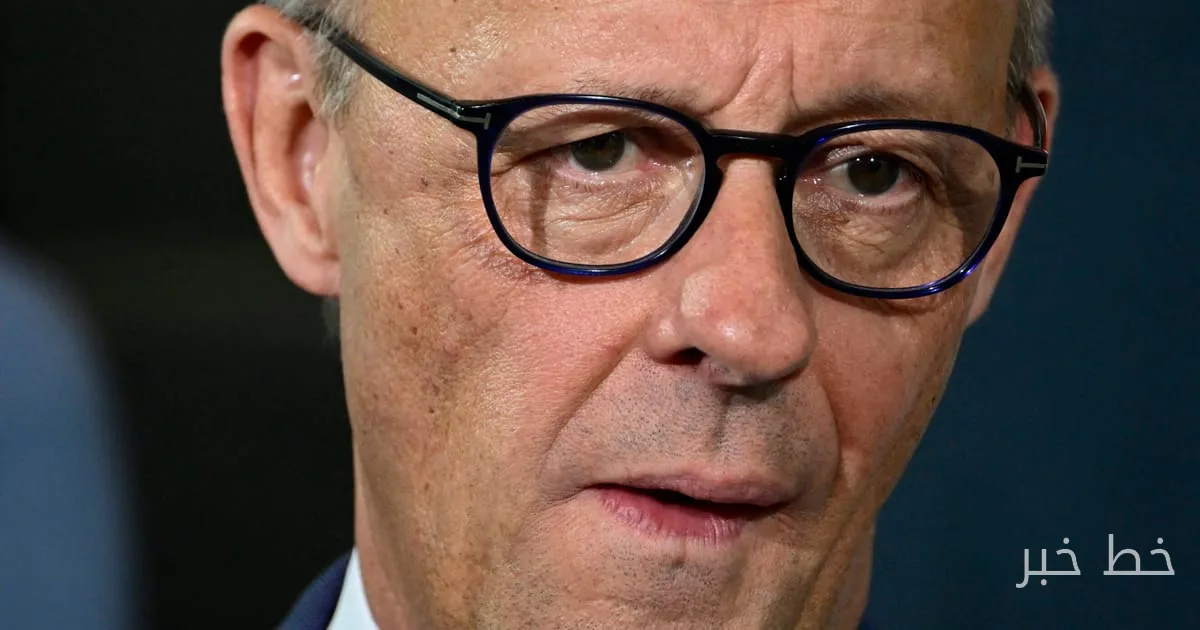
Manuela Schwesig, the Prime Minister of Mecklenburg-Vorpommern from the SPD, has achieved significant success in the elections by criticizing the federal government's policies and distancing herself from them. In a meeting to review the election results in Berlin, she criticized Chancellor Friedrich Merz, stating that 81 percent of the people in her state consider the government's pension reforms to be unfair.
Read more: The European Commission Calls for the Release of €4.2 Billion in Financial Aid to Hungary
Pressure on SPD Leadership
The SPD and its leaders, Lars Klingbeil and Barbel Bas, are now facing a serious dilemma. They, who also serve as ministers in Merz's government, are under pressure to reflect the party's policies in the government. This pressure has arisen from Schwesig's success and her criticisms of the federal government. Schwesig is recognized as one of the influential figures in the SPD, and many party members are calling for her leadership.
Klingbeil continued his criticisms, stating that if people see the reforms as a threat to their lives, not only is there a need for improved communication, but the content of the reforms must also change. Barbel Bas has also called for a "reality check" and a "justice review" regarding the reforms, emphasizing that these reforms must be practical and fair.
There is increasing pressure for the SPD to be "more like Schwesig." However, at the same time, Barbel Bas warned that nothing would be as harmful as allowing the coalition to collapse over political disagreements at this time. On the other hand, the SPD approved a strategic plan in its leadership committee meeting the morning after the elections, outlining the party's priorities for the government.
This plan includes reforming inheritance tax to secure funding for a "real educational initiative" as well as issues regarding pension reforms, which still raise important questions about gradual retirement and the right to retire without a reduction in benefits after 45 years of contributions.
The future of the SPD and the CDU/CSU's response to these demands remains uncertain. Meanwhile, pressures for a change in party leadership continue. Philipp Torimer, the leader of the SPD youth, believes that the current leaders are no longer part of the solution and is calling for a special party conference.
Read more: The Sweden Democrats Suffer Defeat in Recent Elections · Lame Duck Legislators Challenge GOP Leadership in Congress