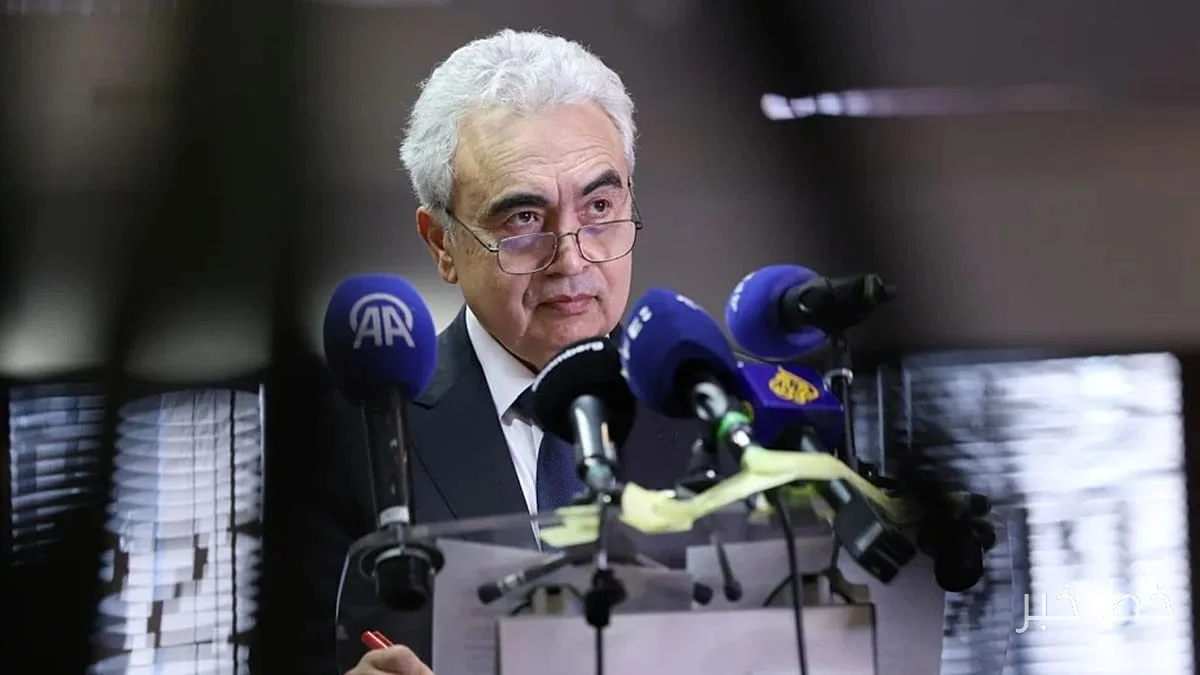
The International Energy Agency (IEA) announced on Thursday, November 19, that the Middle East crisis, which began in February with the bombing of Iran by the United States and Israel, has created the "greatest threat" in history to energy security. The agency's annual report titled "World Energy Outlook" examines the dimensions of this crisis.
Financial Consequences of the Crisis
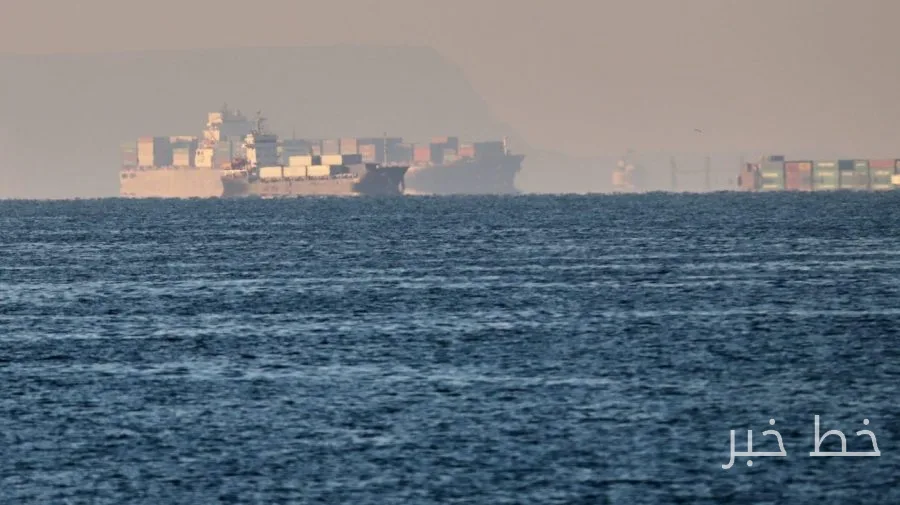
The International Energy Agency warned that the world has no way to contain the consequences of this conflict on energy supply, and the financial burden of this crisis increasingly weighs on consumers. The agency emphasized that this crisis, similar to previous energy shocks, will leave a "lasting footprint." Since the onset of the U.S. and Israeli attacks, Iran has taken steps to block the Strait of Hormuz and target oil tankers in the region, severely complicating oil exports from Gulf countries.
Impact on Supply Chains
Despite U.S. efforts to escort ships in the Strait of Hormuz, through which about one-fifth of the world's oil shipments passed before the crisis, severe disruptions in supply chains remain. Fatih Birol, the executive director of the International Energy Agency, stated: "The crisis in the Strait of Hormuz has created the greatest threat in history to energy security; a threat whose dimensions far exceed the oil shocks of the 1970s."
Birol pointed to the actions taken by various countries to support households, including increasing oil supply to the market by producing countries, using alternative routes, and reducing oil purchases from international markets by China. He added: "Governments have intervened to create a kind of protective shield for consumers, but consumers still face higher prices and, in some cases, supply shortages."
In another part of the report, it states: "As other mitigating mechanisms have diminished, it is now more than ever the consumers who must bear the consequences." Birol had a more optimistic tone in July, acknowledging that the oil market still benefits from "several mitigating factors."
Future Outlook
The report from the International Energy Agency is released concurrently with the COP31 climate summit in Turkey. This summit is under increasing pressure to address climate change. For its energy outlook, the agency uses three scenarios: a cautious scenario that considers current policies; a middle scenario that addresses the "announced" policies of governments; and a third scenario that envisions a world achieving the "net zero" goal by 2050.
In its middle scenario, the International Energy Agency predicts that global oil demand will peak around 2030 and then follow a gradual downward trend, while demand for gas will increase until around 2035. The other two scenarios are based on the likelihood of the crisis continuing in the Middle East.
Fatih Birol said: "Although the energy sector and the global economy have shown considerable resilience, the longer this crisis lasts, the deeper its consequences will be. I see no credible path through which the energy world can return to its previous state."
Read more: Oil Prices Reach Highest Level Since May · Britain Plans Immediate Investment to Increase Gas Import Capacity from Europe