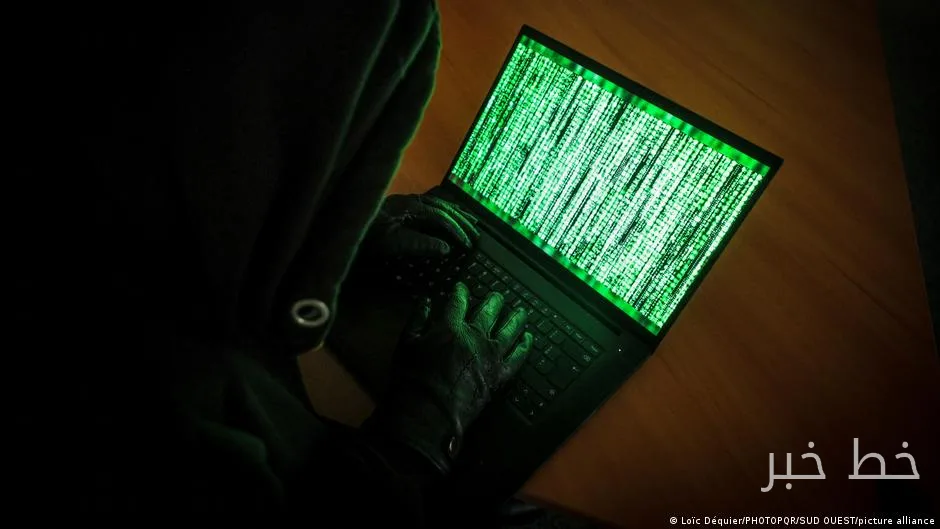
The South Korean government has called for a comprehensive review of security measures against hackers after last week, the cyber defenses of seven major financial institutions in the country were breached, and the private data of thousands of customers was exposed.
Expansion of breaches beyond the financial sector
These breaches have gone beyond the financial sector, and two of the largest churches in the country and the Korea Electric Power Corporation also confirmed on Wednesday that their online systems were illegally accessed, although it is unclear whether a single group is responsible for all these attacks.
Read more: The Trump administration established a super intelligence force to combat AI threats
On Tuesday, Han Seung-soo, the Prime Minister of South Korea, called for immediate measures to prevent any further data leaks. He stated in a cabinet meeting: "This is a serious situation as this incident likely exploited artificial intelligence, and if AI is used in phishing attacks, it could lead to secondary damages."
Risks from financial fraud
Han emphasized that government agencies, public institutions, the financial sector, and private companies must remain "constantly vigilant." Initial reports from a cybersecurity firm based in the United States suggest that the attack may have originated in China. However, South Korea's Financial Supervisory Service announced that it identified 28 IP addresses in the United States, Japan, Germany, and at least 10 other countries that were involved in these breaches.
In banking logs, researchers found signs of a tool called ARTEX, a "self-penetration testing agent" developed by a Chinese developer. This tool is freely available on the internet, and officials have explicitly stated that the existence of a tool made in China does not mean that Chinese attackers are involved.
Analysts warn that if criminals gain access to a person's name, phone number, and income information, they can use this information to make deceptive calls. This situation could lead to complex financial fraud and identity theft, posing security risks for the future.
Read more: Mistara returns to competition with its new AI model · The AI safety group calls for new and transparent regulations