The Trump administration introduced a newly established 'Superintelligence' force with broad powers to determine how to address threats posed by artificial intelligence technology to national security and civil liberties. According to a recently disclosed charter, this force is responsible for identifying 'actions to improve the readiness and responsiveness' of the government and the private sector to threats.
Details of the Superintelligence Force Charter
This charter emphasizes the importance of producing a report on the risks of artificial intelligence, focusing on 'potential threats to civil liberties', cybersecurity, standards for advanced models, and potential consequences of excessive surveillance. The Superintelligence force will operate for 120 days, with the possibility of extension or transfer of its duties to other entities.
Read more: Success of the Starship Launch into Low Earth Orbit
This action comes as major AI laboratories like Anthropic and OpenAI have recently reported several cybersecurity incidents related to their models. These incidents have led industry leaders and lawmakers to call for a slowdown in AI development.
Leadership and Members of the Superintelligence Force
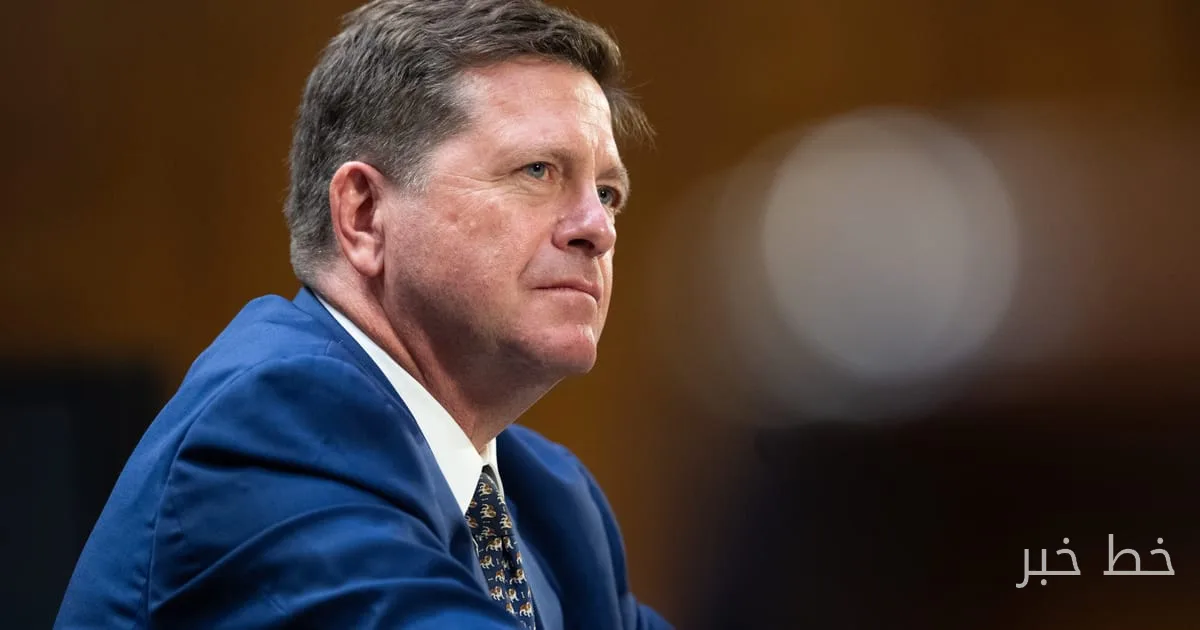
The Director of National Intelligence, Jay Clayton, will lead this Superintelligence force in his new role as 'AI Expert'. Additionally, Deputy Secretary of Defense, Emil Michael, Director of the Office of Personnel Management, Scott Cooper, and Chairman of the Federal Trade Commission, Andrew Ferguson, will serve as his deputies.
Members of this group include federal government officials from agencies such as the National Security Agency and the Department of Health and Human Services. Senior White House officials, including Vice President, JD Vance, and Chief of Staff, Suzy Wiles, will also play roles in this group. Condoleezza Rice, former Secretary of State, and David Sacks, venture capitalist and AI expert, will assist the group as advisors.
The Superintelligence force is responsible for reviewing 'current protocols and mechanisms' for informing AI laboratories about violations, breaches, and unauthorized access, and will also develop recommendations to improve the government's response to these incidents.
This charter refers to technology as a 'catalyst and accelerator' of both risks and opportunities, but ultimately places the responsibility for any risks associated with artificial intelligence on the laboratories developing advanced models. In this context, the federal government is required to understand this period of change and implement the nation's laws in a way that preserves and advances the fundamental principles of the United States Republic.
Read more: Reflection AI Unveils New Open-Source Model · $90 Payments to Seniors Began During the Trump Administration