The competition between the US and China has significantly altered global trade, with Europe positioned as a key player in these developments. Last week, business leaders from Germany and China met in Düsseldorf, Germany, for economic discussions. Although this panel focused on trade and investment between China and Europe, the ongoing rivalry between the two global superpowers, the United States and China, was an undeniable topic in these discussions.
Governments Facing Challenges
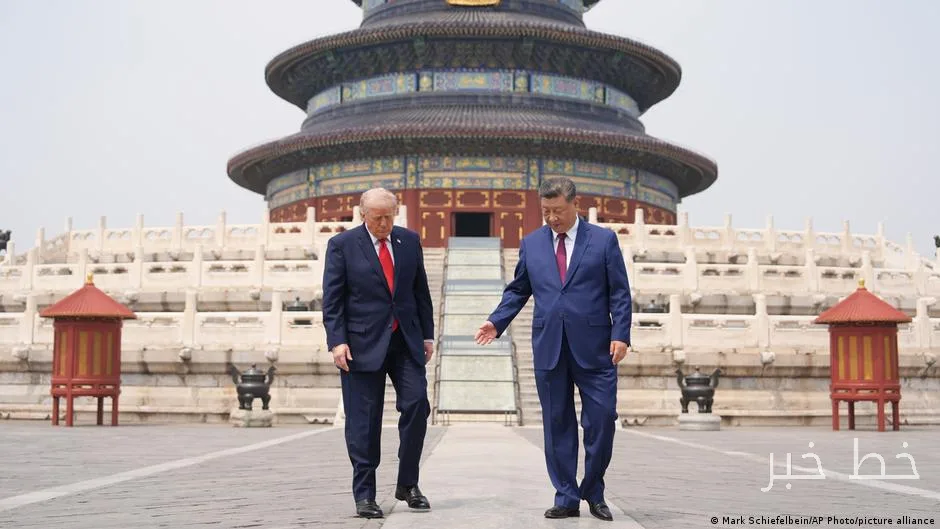
As Xi Jinping and Donald Trump meet this week in Washington, there are hopes for progress in reducing trade tensions between the two countries. The last meeting of these leaders at the Beijing summit in May yielded no tangible results. Mikko Huotari, director of the MERICS think tank in Berlin, stated, "The assumption in Beijing is that China and the US will control each other for a long time. Xi does not need progress in Washington; he needs more time."
Read more: Cuba Faces Another Nationwide Blackout Due to US Fuel Blockade
Impact on Europe
From a European perspective, both China and the US are recognized as difficult partners. Ursula von der Leyen, President of the European Commission, stated in her speech for the year 2026, "The second shock from China is currently present in Europe." This shock relates to China's technological advancements in various industries, including battery technology, green energy, and transportation. She added, "This issue is evident in our societies and in factories across the European Union, leading to a decline in industrialization at the heart of industrial Europe. This situation is not sustainable."
The European Union is seeking a rapid transition to electric transportation and is calling for increased tariffs on cheap electric vehicles from China. China claims it does not have an unfair advantage, and German automakers like Volkswagen and BMW have also opposed punitive tariffs due to the potential loss of revenue from China's retaliatory actions.
According to a Chinese participant in the Düsseldorf discussions, "China's economy is weak, and companies are very concerned about their business and need access to foreign markets." This reflects growing concerns among Chinese companies regarding exports and access to international markets.
Meanwhile, Trump frequently threatens the European Union with tariffs while injecting instability into the NATO strategic alliance. Canada's Prime Minister, Carney, recently stated at the World Economic Forum in Davos, "We know that the old order will not return to its previous state, and we should not be sad about that."
Read more: Antonio Costa Raised the Need for New Taxes for the EU Budget · The US State Department Approved the Sale of $2.7 Billion in Air Defense Equipment to Ukraine