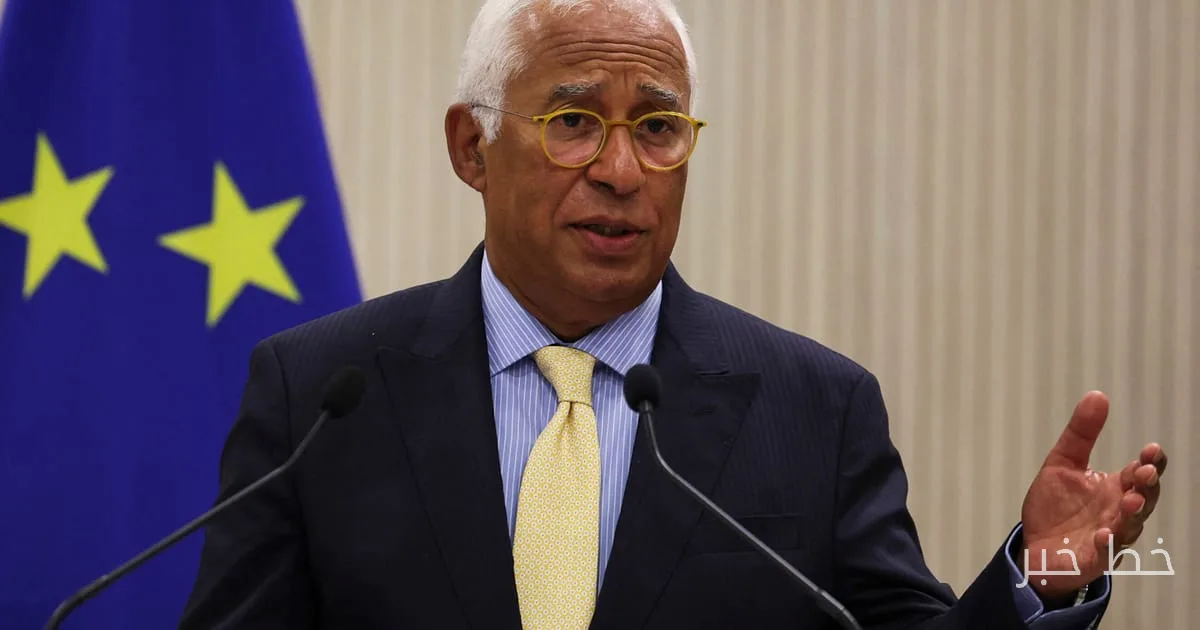
Antonio Costa, President of the European Council, announced that governments may support new EU taxes to fund the upcoming seven-year budget, provided that these taxes are sourced from new resources that are not currently collected by national governments.
The necessity of creating new financial resources
Costa, in an interview, referred for the first time to gathering opinions from leaders during his trip to 25 capitals, stating that this issue is one of the fundamental challenges in negotiations to garner support for new taxes. He stated that if new financial resources are not created, member governments will have to be asked for more funding.
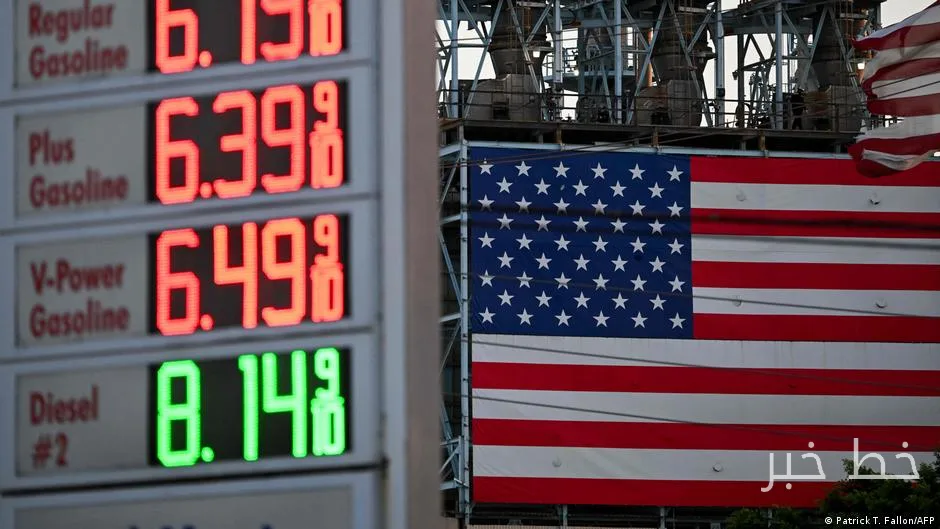
Read more: 17 cent reduction in gasoline and diesel prices in Germany
Challenges facing governments
Costa reminded that some options, such as tobacco taxes, face challenges from governments because these taxes impact revenues that are already collected at the national level. Currently, tobacco taxes exist in all EU countries, and EU taxes may lead to a decrease in national revenue. However, new products like e-cigarettes and vapes are not taxed in many countries.
He added: "If you impose a tax on the same product or another product, it is important. If it is a new product, it means new revenue, and this leads to a better agreement."
Proposals and concerns
Costa also pointed out that some existing proposals could be adjusted to address the concerns of EU governments. He emphasized that "ultimately, we need a financial package that establishes sufficient balance among all member countries."
The Irish government, as the rotating presidency of the EU Council, is preparing a new negotiating package for October, which will be based on assessing governments' positions on spending cuts and new taxes. The initial proposal from the Commission, published last year, included five taxes estimated to generate over €60 billion annually.
Costa expressed hope that all leaders are willing to reach an agreement by the end of the year so that the new budget can be implemented from January 1, 2028. He warned that without an agreement, the EU would face budget cuts for farmers, businesses, and scientists.
Read more: Macron holds emergency G7 meeting to tackle rising energy prices · EU introduces social media ban proposal for children under 13