On Tuesday (Monday local time), the U.S. House of Representatives passed a bill aimed at limiting President Donald Trump's military actions in Iran. This bill, presented with support from Democrats, was put to a vote and was approved with 220 votes in favor and 204 against.
Details of the Proposed Bill
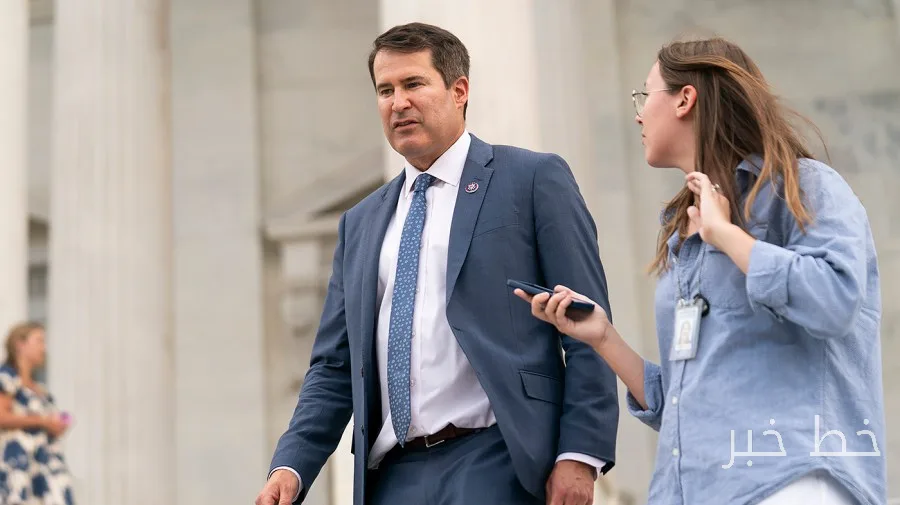
The bill, proposed by Seth Moulton, a Democratic representative from Massachusetts, aims primarily to prevent the escalation of U.S. military conflicts in the Middle East, especially in Iran. This law does not allow the President to undertake major military action against Iran without congressional approval. In other words, this bill seeks to ensure that war decisions are made through legal channels and with a vote in Congress.
Read more: The U.S. Limits Visas for South African Citizens Due to Land Seizure Law
Voting and Reactions
In this vote, seven Republican representatives also voted in favor of the bill. Among these representatives are Thomas Massie from Kentucky, Brian Fitzpatrick from Pennsylvania, and Warren Davidson from Ohio. This action reflects divisions among Republicans regarding Trump's foreign and military policies.
Supporters of the bill emphasize that this action could prevent escalating tensions in the Middle East and avoid dragging the U.S. into another war. They also point out that Congress should play a greater role in such important decisions, and this bill is somewhat a return to constitutional principles regarding war.
Possible Consequences
The passage of this bill may have significant implications for U.S. foreign policy. If implemented, this action could help reduce tensions with Iran and open the way for more diplomacy. On the other hand, this issue could damage U.S. international relations and cause some allied countries to hesitate in supporting Washington's policies.
Overall, the approval of this bill indicates a shift in perspectives regarding military and war policies in the U.S. and a demand for greater congressional oversight over such decisions. This matter could also impact future elections and domestic policies.
Read more: Hasan Peikar Remains a Focus for Democratic Politicians · A Bill That May Change the Nickel Coin Has Reached the House of Representatives