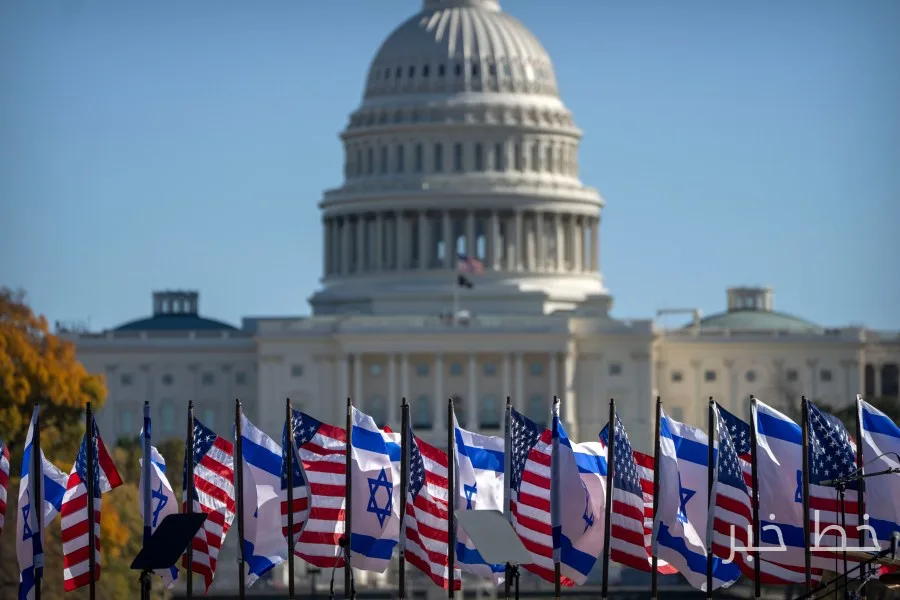
On September 3, the U.S. House of Representatives took actions against individuals who support the Boycott, Divestment, Sanctions (BDS) movement. This action, which has faced severe criticism, seems to focus on the boycotters rather than addressing the boycotts themselves, potentially leading to serious consequences for human rights and freedom of speech.
Analysis of the House of Representatives' Action
The recent actions of the House of Representatives clearly reflect growing concerns about boycotts and their implications for international relations. Some representatives believe that this action not only harms the boycotters but could also pose a threat to freedom of speech. Meanwhile, critics of this event point out that boycotters have the right to freedom of speech and should not be punished for their opinions.
Read more: Women of Afghanistan: In the Shadow of Neglect and Indifference
Social and Political Consequences
This action could also have significant social and political repercussions. With rising tensions between supporters and opponents of the Israel boycott, the risk of unrest and social violence has increased. Additionally, this action may negatively impact the United States' diplomatic relations with other countries and could lead to a form of isolation for the U.S. on the global stage.
Overall, the House of Representatives' action against Israel boycotters is not only seen as a reaction to the BDS movement but has also emerged as a serious challenge to the principles of freedom of speech and human rights. As issues related to Israel and Palestine remain at the forefront of global attention, these actions could lead to further complexities in international affairs.
Read more: Iran War: Economic Impacts on the November Elections · Sweden in the Grip of Cruelty: The Story of Emmanuel and His Parents