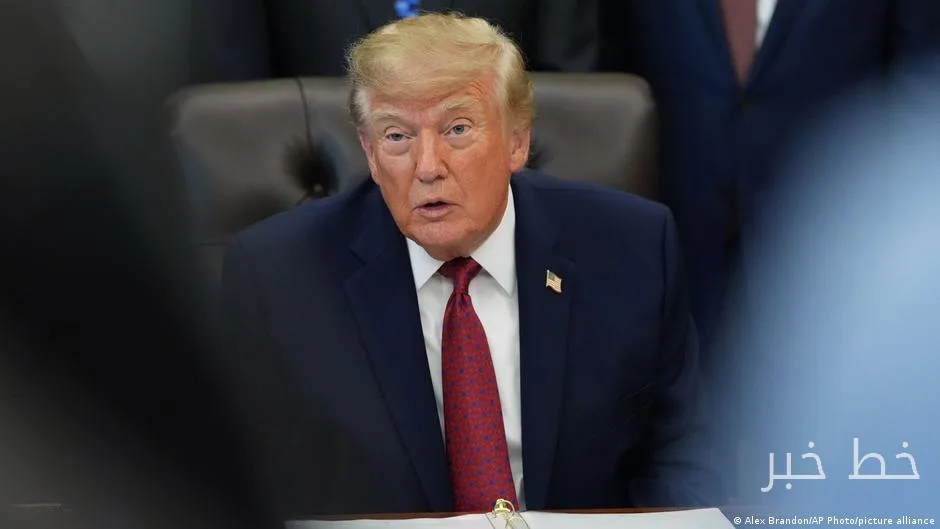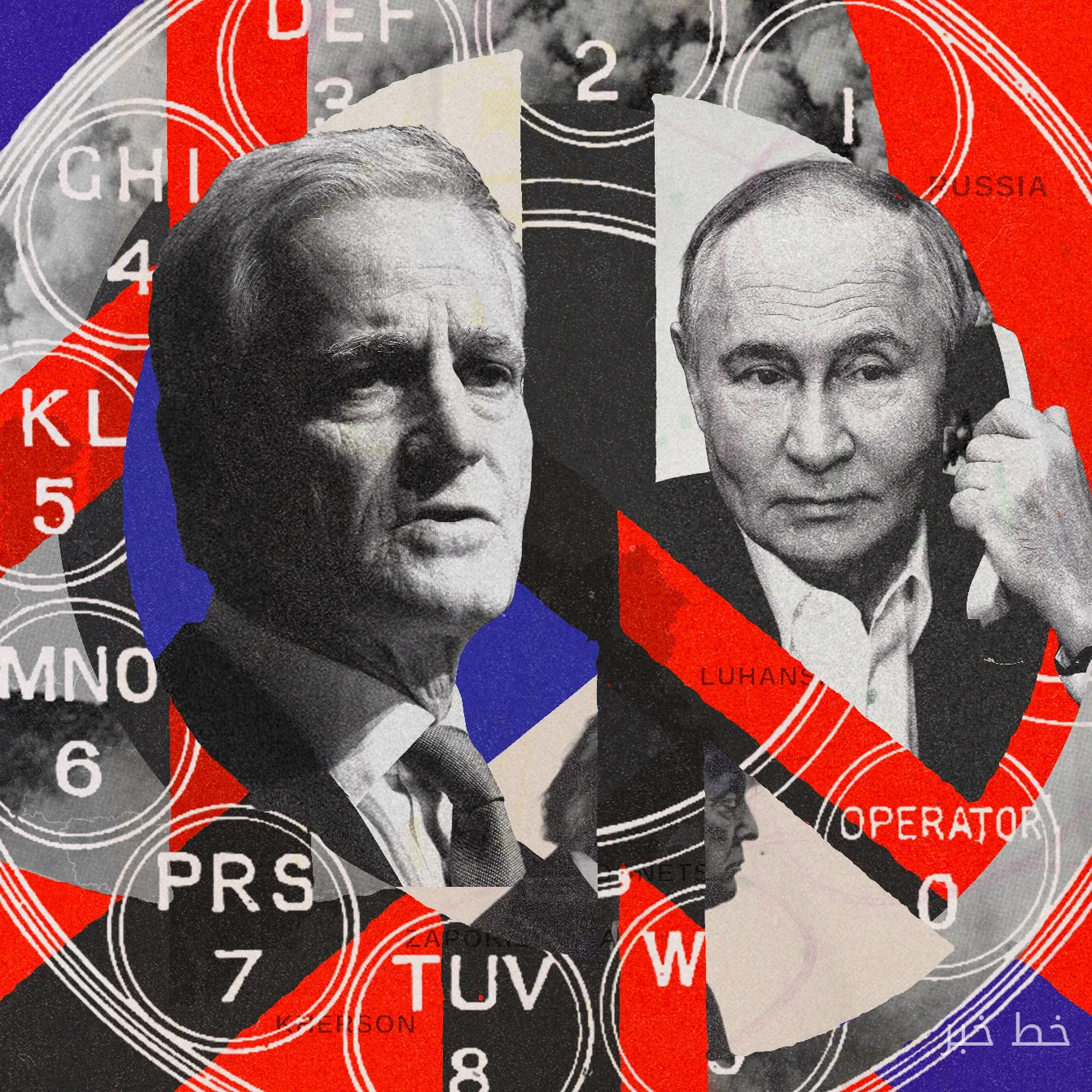
The U.S. government has recently begun negotiations with Myanmar's military government, holding two rounds of talks from September until now. A representative from the U.S. State Department, Michael Wans, has met directly with Myanmar officials in Naypyidaw and Tokyo.
U.S. Objectives for Communication
The U.S. aims to address issues related to online fraud centers, the release of an American businessman named Adam Castillo, and also to gain access to Myanmar's rare earth resources. The market for these valuable minerals is currently under the control of the U.S. rival, China.
Meanwhile, Southeast Asian countries are gradually reconsidering their policy of isolating Myanmar's military leadership, with several countries resuming direct diplomatic contacts. However, the European Union continues to refuse to recognize the legitimacy of the military government in this war-torn country.
EU's Position and Its Consequences
In response to the military coup in February 2021, the European Union has halted direct financial aid to the Myanmar government, imposed targeted sanctions, and significantly reduced its diplomatic relations with military officials. These sanctions currently include 105 individuals and 22 entities linked to the Myanmar army.
At the same time, Brussels continues to provide humanitarian aid to displaced communities and Rohingya refugees and supports civil society organizations. Additionally, due to concerns about the economic impact on workers, especially young women employed in the garment industry, the European Union has refrained from revoking Myanmar's preferential trade access.
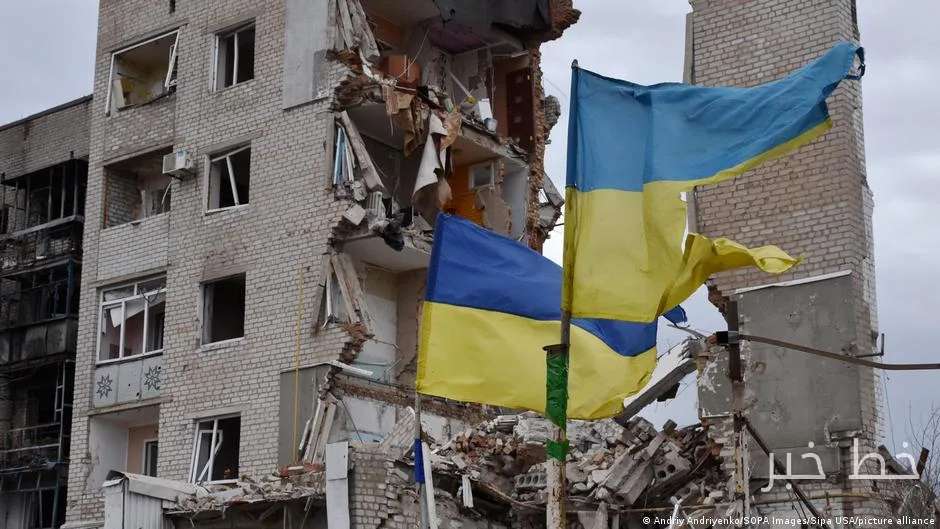
According to the United Nations, the civil war resulting from the 2021 coup has so far led to the deaths of approximately 100,000 people and forced over 4 million residents of Myanmar to leave their homes. Nevertheless, the European Union continues its policy of non-recognition of the current military regime.
Changes in Neighboring Countries' Approach
Neighboring countries, especially Thailand, have shown signs of frustration over the lack of progress in resolving Myanmar's civil war. Thailand's Foreign Minister, Don Pramudwinai, welcomed the U.S. return to engagement with Myanmar and suggested that ASEAN members have more serious discussions about Myanmar's future at their upcoming meeting in Manila.
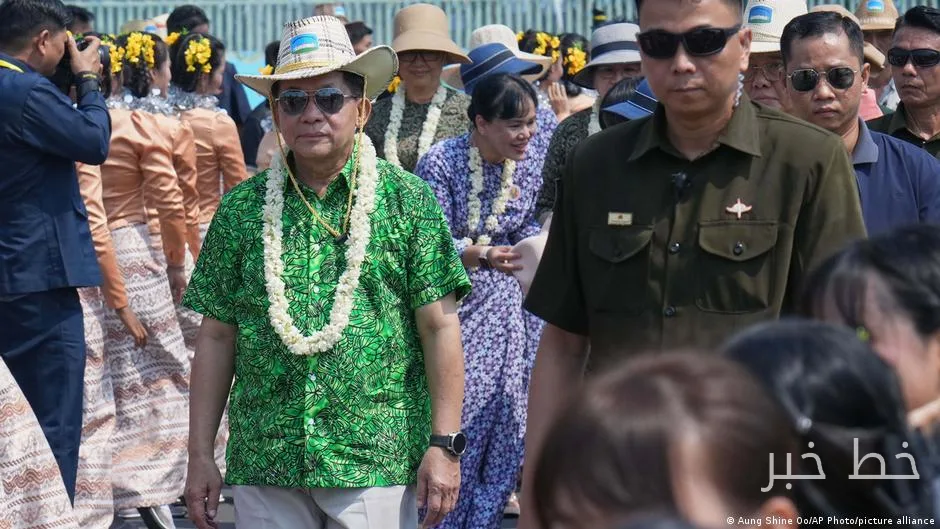
Myanmar officials are also seeking to break their diplomatic isolation. Min Aung Hlaing, Myanmar's leader, gave an interview to a Western magazine in September, marking his first interview with a major Western publication since the coup.
Experts suggest that the European Union should reassess its position in light of changes in the policies of the U.S. and neighboring countries towards Myanmar. As the U.S. seeks specific interests such as rare earth extraction and combating cybercrime, new interactions with Myanmar's military government may affect the credibility of the European Union.