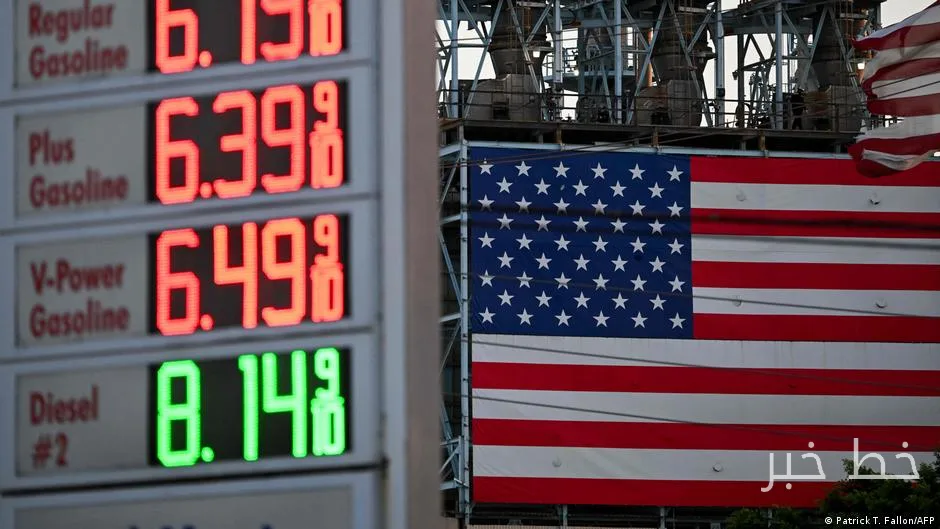
The U.S. war against Iran, which has recently begun, is likely to cause an increase in the inflation rate early next year. The Congressional Budget Office (CBO) has announced in a new report that this war could incur costs of approximately $2 billion per month for the United States.
Economic Impact of the War
The Congressional Budget Office reported on Tuesday that the main economic impact of this conflict is expected to be rising prices in the market. This increase in prices may result from fluctuations in supply and demand in global markets that the war may create.
Read more: New Changes in the IRS Tax Table for 2027
This report also notes that military expenses and the provision of resources to continue the war could put additional pressure on the U.S. government budget. This, in turn, could lead to a reduction in investment in other economic sectors, ultimately not benefiting American citizens.
Social and Political Consequences
Rising inflation along with war costs could have significant social and political consequences. Given that wars typically lead to increased public discontent, there is a possibility that social pressures within the U.S. will rise. In this regard, the government must pay special attention to managing these discontents.
Moreover, considering the current economic situation, rising prices may lead to a decrease in the purchasing power of families, which could exacerbate poverty and inequality in American society. Therefore, the economic and social consequences of this war must be taken seriously.
Ultimately, a thorough examination and analysis of the consequences of the U.S. war against Iran and its impact on the global and domestic economy of the U.S. seems essential. This issue is significant not only for government officials but also for citizens and economists.
Read more: Changes in SNAP Benefits Announced for October · Trump Administration Imposes New Sanctions on VTB Bank of Russia Due to Relations with Iran