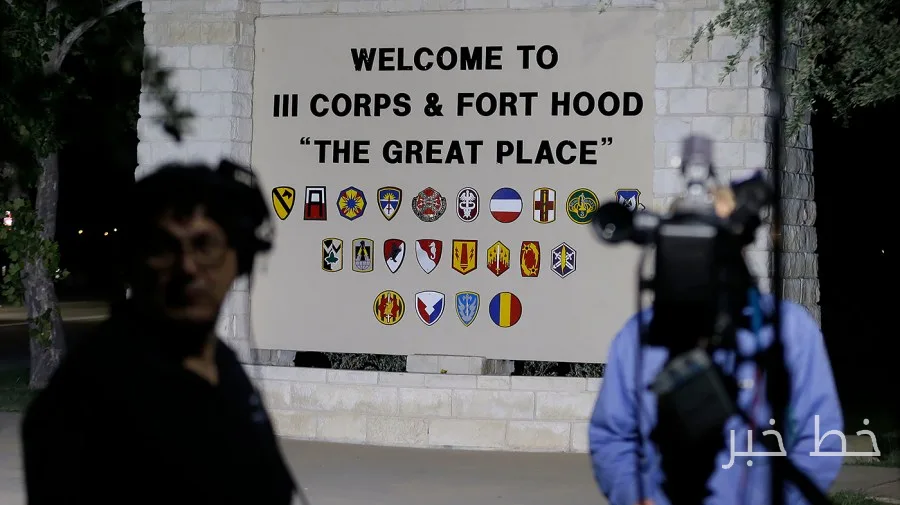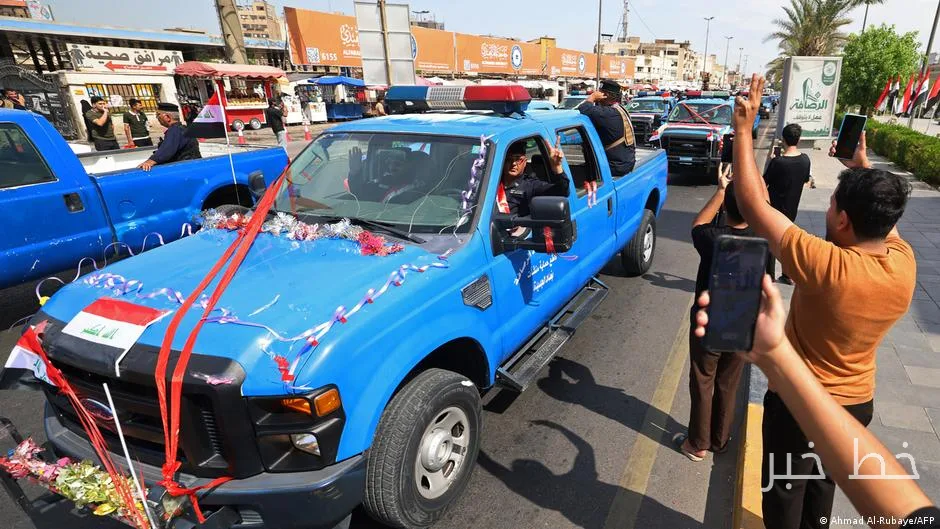
The withdrawal of American forces from Iraq has led to a dangerous security vacuum in the semi-autonomous Kurdistan region. Politicians in Baghdad have celebrated this withdrawal, with Ali Al-Zaydi, the Prime Minister of Iraq, declaring October 1 as "Sovereignty and Independence Day."
Concerns in Iraqi Kurdistan
In Erbil, the capital of the Kurdistan region of Iraq, the atmosphere is significantly more concerning. This region, which has relied on Washington's support for two decades, is now facing multiple crises, including increasing pressure from Baghdad to centralize power and escalating military threats from neighbors, especially Iran.
Read more: Marcel Bohner talked about the information war on social media
Tehran's Strategy Towards Kurdistan
Tehran is currently seeking to limit the political power of the Kurdistan region and reduce it to a purely administrative entity. Analysts say that the ultimate goal of the Islamic Republic is to create a "controlled and weakened" Kurdistan that cannot emerge as an independent power. This situation exacerbates the tensions between the two main ruling parties, the Kurdistan Democratic Party (KDP) and the Patriotic Union of Kurdistan (PUK).
Hew Mahmood Osman, an analyst on Iraq and Kurdistan issues, points out that Iran is exploiting these internal conflicts and seeking to strengthen its influence in Iraq. He says, "The biggest obstacle for the Kurds is their internal divisions. Without a united front, foreign powers have more room to maneuver."
Risks and Challenges for Kurdistan
Ardeshir Pashang, a Middle East researcher, warns that if Kurdish leaders cannot resolve their political differences, this division could lead to the collapse of the Kurdistan region as a political entity. Additionally, Iranian Kurdish opposition groups that have taken refuge in this region are under severe pressure for disarmament and relocation.
These groups provide Iran with a pretext for conducting air and missile attacks along the border. Nevertheless, Erbil is not expected to submit to "complete surrender," as maintaining a balance with these groups is vital for the internal legitimacy and foreign relations of Kurdistan.
Ultimately, despite the withdrawal of American forces, Washington's influence in Iraq has not completely vanished and seems to have shifted to global financial networks. This power shift could help the Kurds stand against internal and external challenges and gain greater control over their situation.
Read more: Alireza Sheikh Attar raised the possibility of a U.S. attack on Iran after the elections · Iran has turned into an opaque and security-oriented government after Khamenei