The World Health Organization (WHO) recently reported that 12% of new cancer cases in 2024 are caused by 12 types of infections. This report emphasizes the importance of preventing infections as a strategy to reduce cancer incidence.
Viral and Bacterial Infections and Cancer
According to this report, specific infections, including human papillomavirus (HPV), which is most commonly seen in cervical cancer and several head and neck cancers, are responsible for about 4% of new cancer cases in 2024. Additionally, hepatitis B and hepatitis C infections account for 2% and less than 1% of new liver cancer cases, respectively.
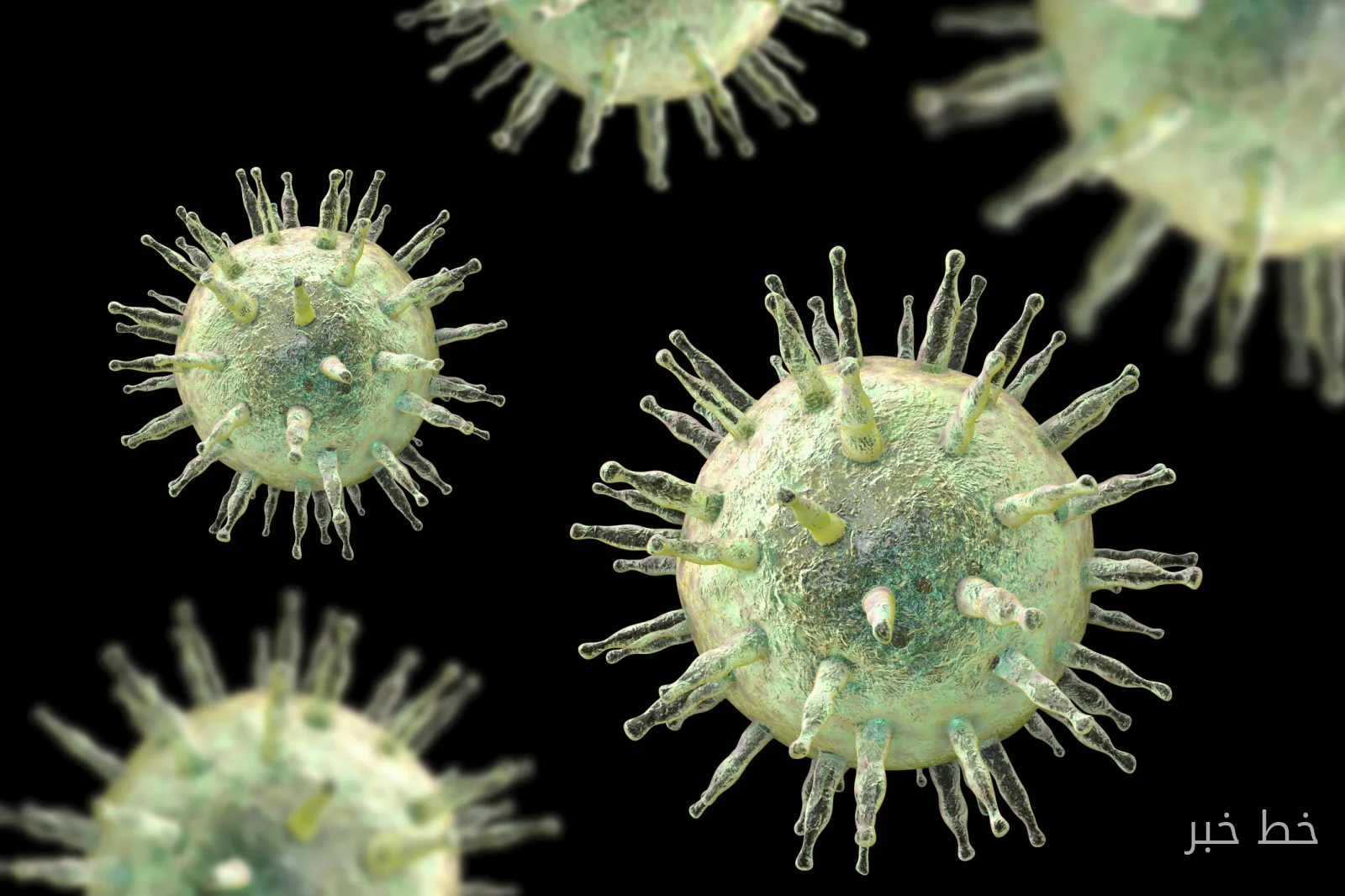
The bacterial infection Helicobacter pylori is also linked to stomach cancer and accounts for nearly 4% of new cancer cases. The Epstein-Barr virus (EBV), which causes mononucleosis and affects over 90% of the global population, is involved in about 1% of new cancer cases, including lymphomas and cancers of the nasopharynx and stomach.
The Importance of Prevention and Vaccination
Most people with these infections do not develop cancer, and this process may take years. Infection is just one of the contributing factors to cancer development. For example, in the case of nasopharyngeal cancers caused by EBV in China, researchers believe that genetic and environmental factors also play a role.
Some of these infections are treatable. For instance, Helicobacter pylori infection can be eradicated using antibiotics, and HIV treatment can reduce the risk of cancer associated with this infection. Additionally, some of these infections have vaccines. For example, the hepatitis B vaccine is the first vaccine developed with the aim of preventing cancer.
However, access to these vaccines is not possible for everyone, and in the United States, the vaccination rate of infants against hepatitis B has significantly decreased in the past two years. For other infections, especially EBV, an effective vaccine is still not available.
Research indicates that pharmacists' interest in developing vaccines for viruses like EBV, which are common and non-lethal, is increasing due to the association of this virus with other diseases such as multiple sclerosis. Currently, several vaccine candidates are under investigation, and some are in clinical trial stages.
The results of this study may stimulate further research in the field of preventing cancer-related infections and are hoped to lead to further developments in this area.