The Trump administration has established a new force called the "Super Intelligence Force" that will operate to counter threats arising from rapid advancements in artificial intelligence in the realm of national security and public freedoms. This new force is defined with broad powers to determine how the government and the technology sector should respond to these challenges.
Defining the Tasks and Objectives of the Super Intelligence Force
According to an official document, the Super Intelligence Force is tasked with defining "actions to improve the capabilities of the government and the private sector in facing and responding to threats against the land and people of the United States." This new force will also prepare a report on the risks associated with artificial intelligence, focusing on "potential threats to civil liberties," cybersecurity, and the consequences of excessive regulation.
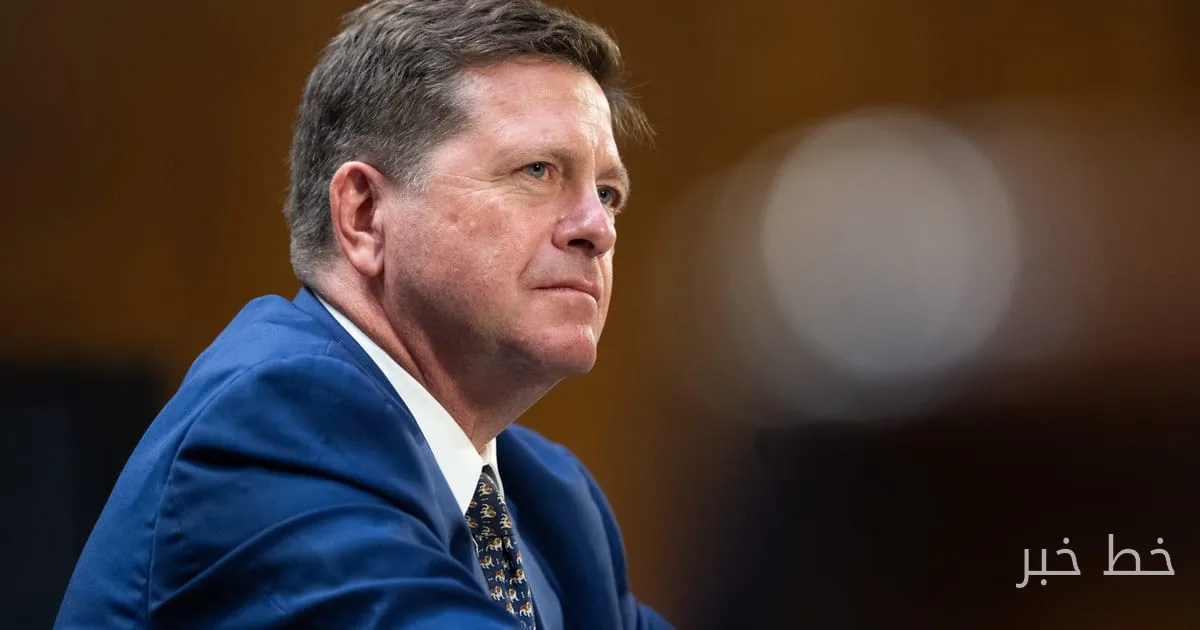
The Director of National Intelligence, Jay Clayton, will lead this new force, alongside other key figures serving as deputies. These individuals include Emil Michael, Deputy Secretary of Defense, Scott Cooper, Director of the Office of Personnel Management, and Andrew Ferguson, Chair of the Federal Trade Commission.
Impacts on the Technology Sector and National Security
The announcement of the Super Intelligence Force has surprised Silicon Valley and Capitol Hill. Four representatives from the technology sector emphasized that prior to the release of this news, very few people in this sector were aware of the establishment of this new force. Trump uses the term "super intelligence" instead of "artificial intelligence," indicating his different perspective on this technology.
The formation of this new force comes as major AI labs like Anthropic and OpenAI have recently reported several cybersecurity incidents related to new models. These incidents have led some leaders in this sector and congressional representatives to call for a slowdown in the development of this technology.
The Super Intelligence Force will operate for 120 days, and this period may be extended or its tasks transferred to other government entities. This new force will also examine current protocols and mechanisms for informing the government about security breaches, hacks, and other similar issues.
This document clearly states that artificial intelligence technology acts as "an amplifier and catalyst for risks and opportunities," and ultimately the responsibility for these risks lies with the labs that develop advanced models. In this regard, the federal government is required to be aware of changes during this period and to enforce the country's laws to uphold and promote the fundamental principles of the republic.
Read more: The President of South Korea referred to the use of artificial intelligence models in bank hacks · OpenAI published new mathematical achievements