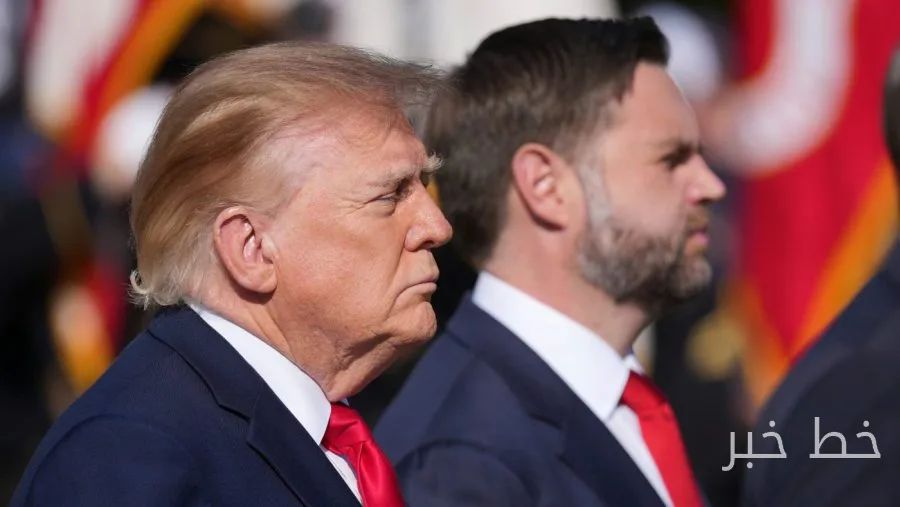
The Trump administration announced this week that the war in Iran is "effectively over" and has ended in favor of the United States. These statements come as American taxpayers continue to bear the billion-dollar costs of maintaining military forces abroad.
War Costs and Military Status
Despite the fact that the war in Iran receives less headline coverage, operational costs for keeping troops on standby still exist. These costs include soldiers' salaries, military equipment, and the necessary resources to continue operations in the region. Estimates suggest that these costs reach billions of dollars annually.
Read more: Fateh Birol: The Energy World After the Iran War Will Never Be the Same
Economic and Social Consequences
Trump's announcement of the end of the war comes as many experts point to the economic consequences of this war and its high costs. These costs have negatively impacted the public budget and social services, leading to public discontent. While the government seeks to reduce expenses and increase domestic budgets, war costs continue to be a financial burden for the U.S. government.
With decreasing media attention on the war situation, some politicians and analysts are concerned about the neglect of issues related to soldiers and their families who are still affected by the war. They emphasize that the problems arising from the war must be seriously addressed and resolved.
Ultimately, Trump's statements, alongside the ongoing costs of the war, raise many questions about U.S. military policies and its commitments in the Middle East. While the war is effectively over, its repercussions continue to impact American society and the economy.
Read more: The Young Generation in Germany and Europe is Concerned About the Future · Greg Stanton on Defense Secretary Rumors: I Have Never Discussed It



