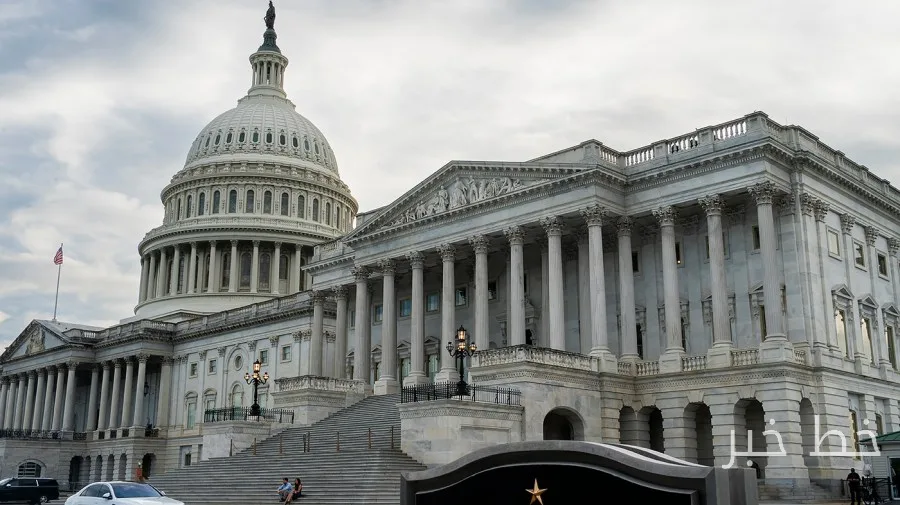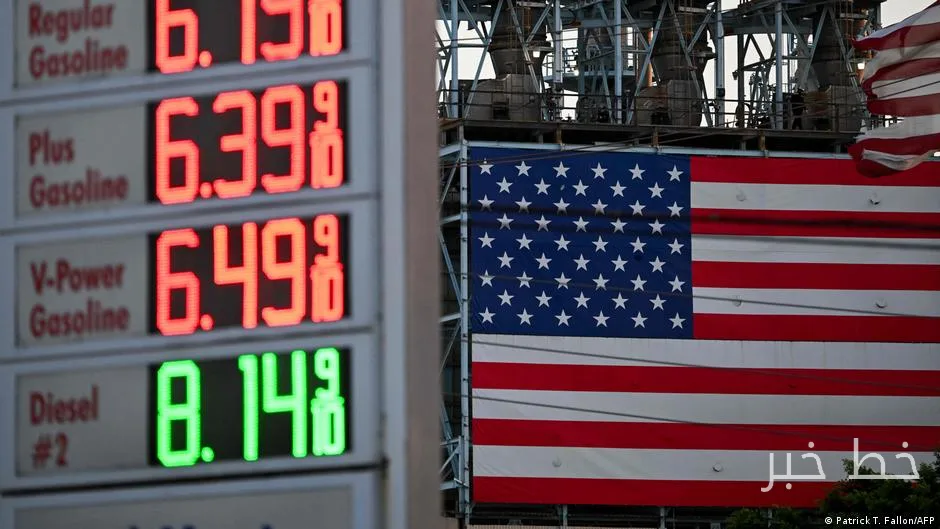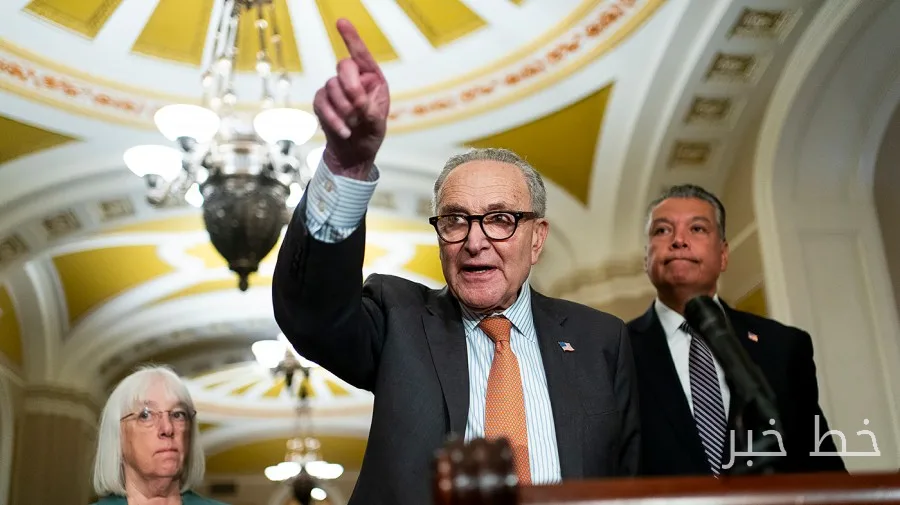
The Trump administration, in an unusual move, has paid over $9.5 billion to federal employees to temporarily stay away from their jobs. These payments are part of a program known as the Department of Government Efficiency, aimed at improving efficiency and reducing costs in the federal government.
Details of the Government Efficiency Program
The report indicates that the payments made to federal employees were intended to alleviate the financial burden on the government and create an opportunity to review executive structures. It appears that the main goal of this program was to enhance efficiency and optimize human resources in government agencies.
Read more: The U.S. War Against Iran May Increase Inflation
Economic Consequences
Significant payments to employees for not working have raised many questions regarding financial management and human resources in the federal government. Critics of this program argue that such actions could lead to a waste of public financial resources, and instead, more effective policies should be adopted to improve the efficiency of government entities.
This action can also be seen as a temporary measure to address economic crises and unemployment caused by the COVID-19 pandemic. Nevertheless, this program has sparked considerable criticism and debate in political and economic circles.
Expert Analysis
Economic experts believe that the payments made to federal employees should be carefully examined. Do these types of payments truly help improve government efficiency, or do they merely impose additional costs on the public? These questions are particularly significant in the current context where the country is facing multiple economic challenges.
Ultimately, this program reflects significant challenges in managing human and financial resources in the federal government and could serve as an important lesson for future policies.
Read more: Investment in SpaceX by Elon Musk Shapes a New Identity · Judge Blocks Trump's New Naming of Kennedy Center