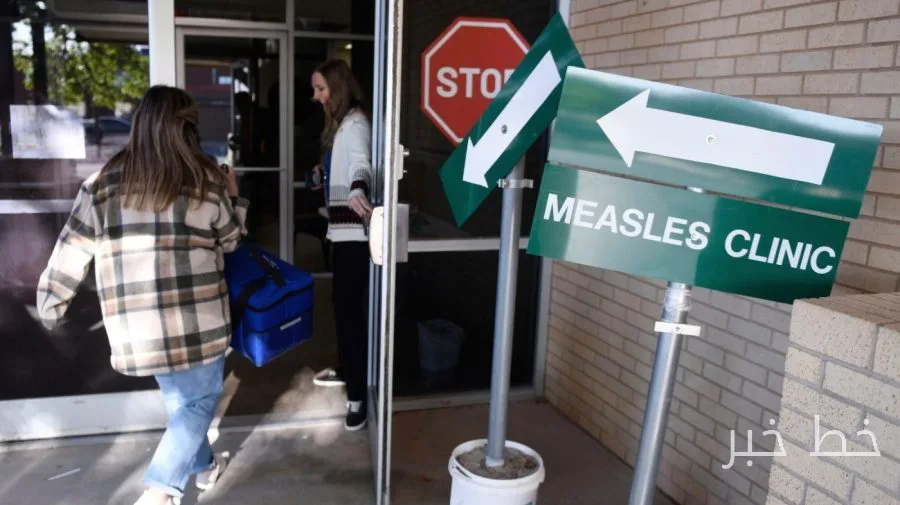
The United States may soon lose its measles elimination status after more than 25 years. This change is largely symbolic but indicates a regression in public health. While measles was officially eliminated in the United States in 2000, infection cases have significantly increased in recent years, raising concerns about herd immunity.
Increase in Measles Cases
In recent years, the United States has seen an increase in measles cases. This disease is easily transmitted and can cause serious complications for unvaccinated individuals. Due to declining vaccination rates in some areas, the risk of an outbreak is rising. Public health experts warn that losing measles elimination status could have serious consequences for community health.
Read more: German workers over 60 take an average of 31.3 days of sick leave
Health Implications
Losing measles elimination status means that the United States has failed to meet the public health standards set for the elimination of this disease. This situation could lead to increased concerns about herd immunity and the healthcare system's ability to control outbreaks of infectious diseases. Meanwhile, this change may reduce public trust in vaccination and health programs, leading to negative outcomes for community health.
Overall, while losing measles elimination status may seem like a symbolic change, it could indicate deeper challenges in public health. Unvaccinated individuals, especially children, are at greater risk of contracting this disease and its serious complications. Therefore, efforts to increase vaccination rates and public awareness in this area are essential.
Read more: Future health challenges strengthen disease prediction systems · Greg Stanton advocates against unhealthy food in Brussels