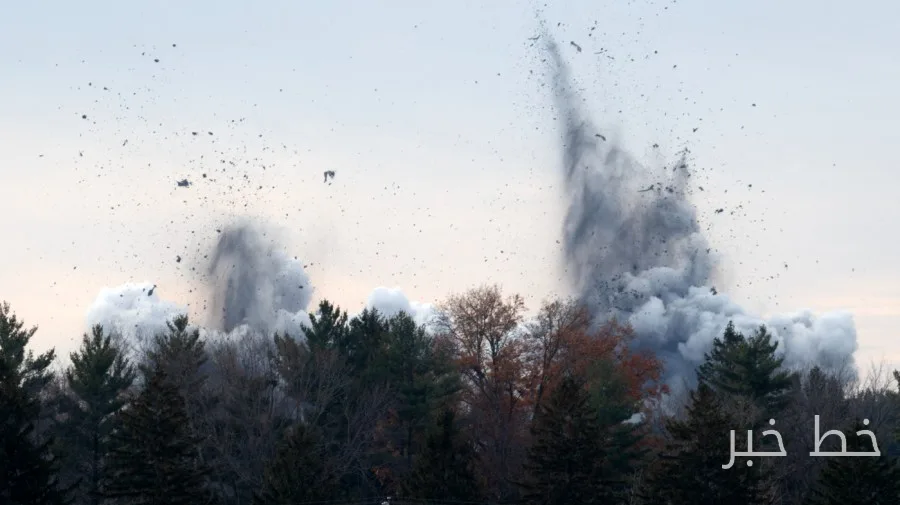
The U.S. Army exploded a series of explosives in the state of Iowa on Wednesday. This action has been criticized due to serious concerns about the dangers posed by toxic lead released into the air as a result of the explosion. The U.S. government has stated that this action was necessary to prevent accidental detonation.
Reasons and Consequences of the Explosion
According to officials, the explosion was carried out due to the presence of explosives that had been stored on-site. They believe that failing to detonate these materials could have posed serious risks and likely led to an unfortunate incident. However, critics have questioned this action from an environmental and public health perspective.
Read more: Lack of Funding for the Climate Damage and Loss Fund in Bangladesh
Several environmental groups and social activists have warned about the environmental consequences of this explosion. They are concerned that the release of lead into the air will not only affect air quality but also endanger the health of local residents. Lead is known to be a toxic substance and can have serious effects on the nervous system and other organs of the body.
Criticism and Reactions
Opponents of this action believe that the government could have prevented such a situation by adopting better safety measures. They point out that a lack of careful planning and proper management has led to this situation, and now local residents must face the consequences.
This explosion occurred at a time when Iowa is recognized as one of the important states for military activities and the storage of explosives. Many questions have been raised about safety policies and the management of hazardous materials in this state, and it is expected that this issue will be reviewed in the near future.
Ultimately, this action by the U.S. Army could serve as a wake-up call for other agencies and government organizations to take necessary measures in managing hazardous materials and preventing similar incidents.
Read more: Lack of Financial Resources, a Major Challenge for the Climate Compensation Fund · New Iowa Government Delays Decision on Exploding Explosives



