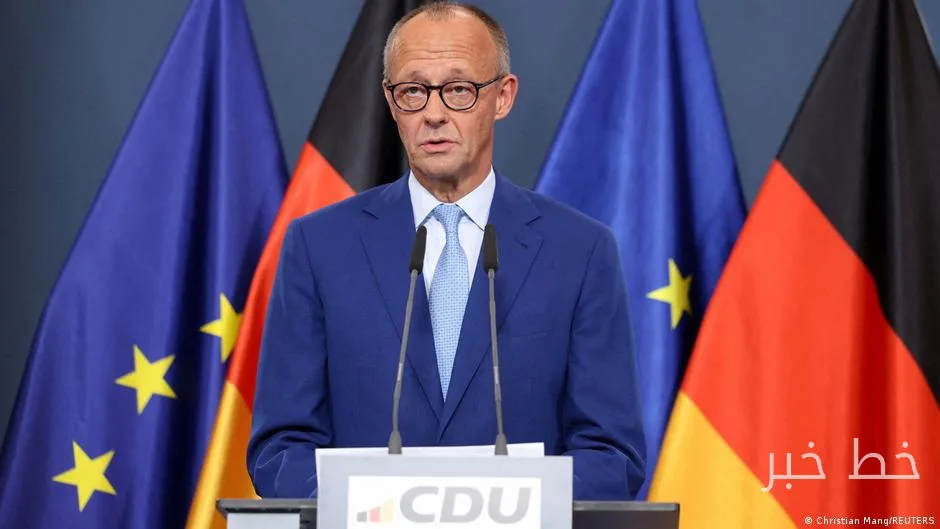
The right-wing party Alternative for Germany (AfD) achieved a significant victory in the Mecklenburg-Vorpommern state elections, securing 38.2 percent of the votes. These results indicate that AfD is recognized as the strongest party in this state, while the Christian Democratic Union (CDU), led by Chancellor Friedrich Merz, failed to enter the state parliament for the first time.
Election Results and Consequences
The elections on Sunday clearly reflect a shift in German politics. According to preliminary results, AfD topped the polls with 38.2 percent of the votes, while the Social Democratic Party (SPD), led by Manuela Schwesig, garnered 35.5 percent. Additionally, the Left Party and the Green Party received 6.5 and 5.7 percent of the votes, respectively.
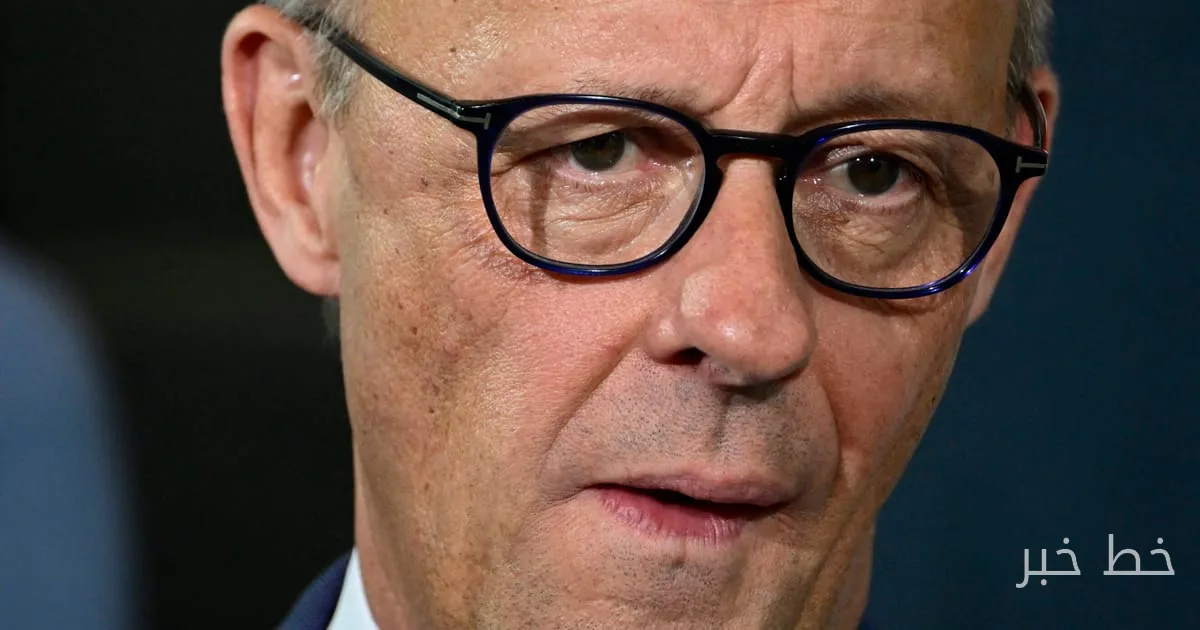
The CDU received only 4.9 percent of the votes, marking the party's worst result in the history of state elections in Germany. Friedrich Merz, in response to these results, stated: "We cannot sugarcoat the result; it was a disaster." He also seems to expect to resign from his position soon.
Political Future of Mecklenburg-Vorpommern
Based on the election results, AfD now holds 32 seats in the state parliament, while SPD has secured 29 seats. However, the previous coalition of SPD and the Left Party no longer has a majority. A three-party coalition including the Green Party could potentially form a governing bloc with 39 seats.
While other political parties in Germany are reluctant to form a coalition with AfD, this party remains a significant force in the politics of Mecklenburg-Vorpommern. Representatives of the Left Party and the Greens have emphasized that they will avoid forming a coalition with AfD.
The elections in Berlin and Mecklenburg-Vorpommern have resulted in a historic defeat for the CDU, while AfD has seen a substantial increase in support. These changes could have profound implications for national and state policies in Germany.