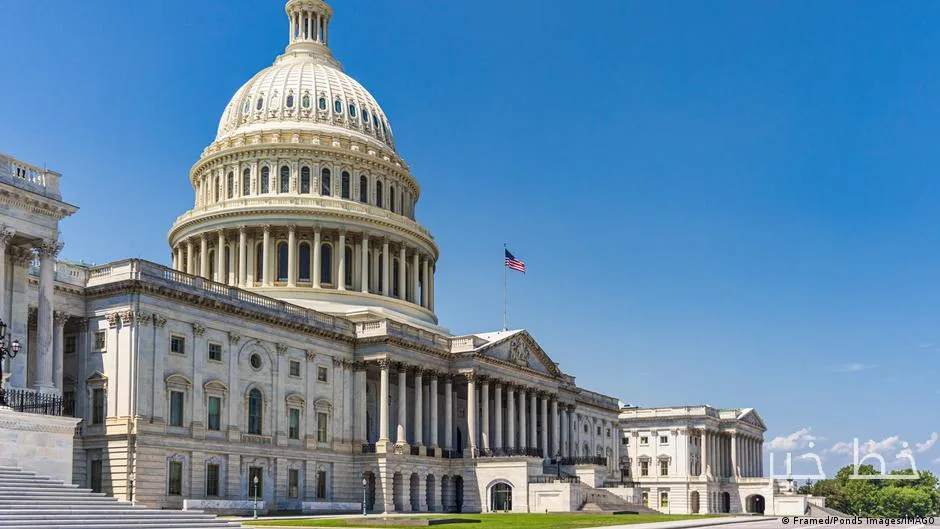
Women in the United States, as half of the population, are significantly underrepresented in the country's Congress. While 51 percent of the U.S. population is female, only 28.4 percent of Congress members are women. However, the number of women in the House of Representatives and the Senate has reached 152, the highest number in U.S. history.
Challenges Facing Women Representatives
There are many reasons why women's representation in Congress is lower than expected. Kelly Dittmar, research director at the Center for American Women and Politics (CAWP) at Rutgers University, says, "Some of these challenges are structural. The existing laws and processes in our political system make it harder for newcomers to enter. Women are historically newcomers." Additionally, Senate seats are only available for election every six years, and House representatives serve for two years but there is no limit on the number of terms they can serve.
Elections in the United States are expensive, and women have historically had less access to financial networks, which are often male-dominated. Cultural biases also play a role: "There are perceptions and expectations about what women can and should do." In the November 3 elections, the fate of 435 House seats and 35 Senate seats will be in the hands of voters.
Number of Women Representatives and Their Political Distribution
Currently, 125 out of 435 House representatives are women. This distribution is uneven among political parties, with more women in the Democratic Party than in the Republican Party. Currently, there are 95 women representing Democrats in the House and 30 women representing Republicans. Dittmar says, "The support infrastructure for women in the Republican Party is much weaker, and most organizations that specifically recruit, train, and fund women are either on the Democratic side or nonpartisan."
The Republican Party currently holds the majority in the House, allowing them to appoint the Speaker or Majority Leader. Currently, this position is held by Mike Johnson, and only one woman has held this position so far: Nancy Pelosi, who was Speaker from 2007 to 2011 and again from 2019 to 2023.
Hope for Making History in the Upcoming Elections
Women currently make up 27 percent of the U.S. Senate, which includes 16 Democrats and 11 Republicans. Each state has two senators, and the term length in this chamber is longer. According to Dittmar, it is more difficult for women to secure Senate seats. "It's a matter of opportunity and timing. Each seat is available for election every six years, and only one-third of them are available every two years."
One Senate candidate, Peggy Flanagan from Minnesota, could make history. If she wins, she will be the first Native American woman in the U.S. Senate. She currently serves as the Lieutenant Governor of Minnesota. Polls indicate that her chances are good, and she is currently ahead of her Republican opponent, Michelle Tafoya.
In Minnesota, Tim Walz, Kamala Harris's running mate for the 2024 presidential election, will not run for re-election. His main rivals are Democrat Amy Klobuchar and Republican Lisa Demuth. Additionally, Black Democrat Kisha Lance Bottoms is running for the governorship of Georgia.
Read more: Zelensky Reports Sending Two North Korean War Prisoners to South Korea · Controversial Debate Between Abdul El-Sayed and Mike Rogers in Michigan