In recent years, the phenomenon of El Niño has been recognized as one of the major environmental challenges. Climate records indicate that this phenomenon has occurred repeatedly and with high intensity over the past few decades. However, the question is whether this increase in the frequency and intensity of El Niños is merely a natural change in climate patterns or if this situation is clearly a result of climate change caused by human activities.
Center for Climate History Records
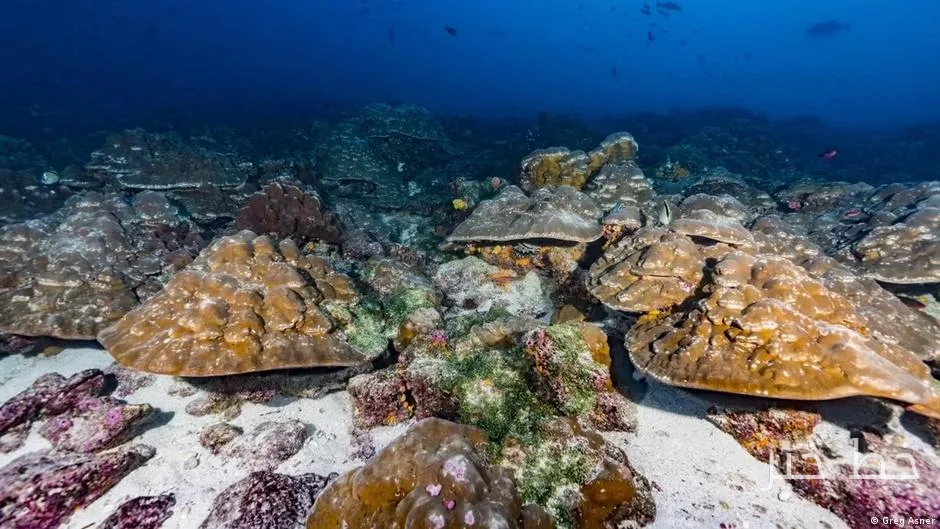
Corals are recognized as one of the valuable resources in studying climate change. These marine organisms record evidence of temperature changes and weather conditions in their layers as they grow and develop. Therefore, studying corals can help us gain a better understanding of climate patterns and the El Niño phenomenon.
According to research conducted, these corals are capable of reflecting changes in temperature and salinity of water over time. For this reason, analyzing these organisms can provide precise indicators of past and present behaviors of the oceans and Earth's climate. With this information, we can answer questions such as whether El Niños are intensifying and whether this intensification is related to climate change.
Challenges Ahead
Climate change not only affects weather patterns but also has significant impacts on marine ecosystems. With rising temperatures and changes in salinity, corals are exposed to greater risks, which can affect the natural cycle of marine life. Therefore, a more precise understanding of El Niños and their relationship with climate change is vital for environmental protection and future planning.
Ultimately, it seems that the answer to the question of whether El Niños are intensifying heavily depends on scientific research and more detailed examinations of climate change. This issue is important not only for researchers but for all of us living on this planet.