Biodiversity loss, as a concerning reality, poses serious threats to human health and food security. From the smallest microbes in the human gut to giant whales in the ocean, biodiversity constitutes the total life on Earth. This diversity acts as a team, with each species playing a specific role in maintaining ecological balance.
Consequences of Biodiversity Loss
By collaborating across various species, from trees to animals, ecosystems can regulate climate, maintain soil health, purify water, and support food production. However, with biodiversity loss, humans will face serious challenges. According to a recent report by WWF's Living Planet, vertebrate populations have declined by an average of 73% over the past 52 years, while freshwater ecosystems have faced an 85% decline.
Read more: El Niño as a Serious Threat to Iran
COP17 Conference and Efforts to Save Nature
Thousands of politicians, business leaders, and civil society groups are holding the COP17 conference in Yerevan, Armenia, to explore solutions for reversing biodiversity loss by 2030. However, progress towards these goals is still insufficient, and financial and implementation challenges are among the biggest obstacles ahead.
For example, between 1700 and 2000, 85% of important wetland ecosystems were lost. A study from the University of Waterloo, Canada, has shown that habitats like swamps and marshes in southern Ontario provide annual water purification services worth CAD 4.2 billion. As these ecosystems disappear, water quality significantly declines, and purification costs rise.
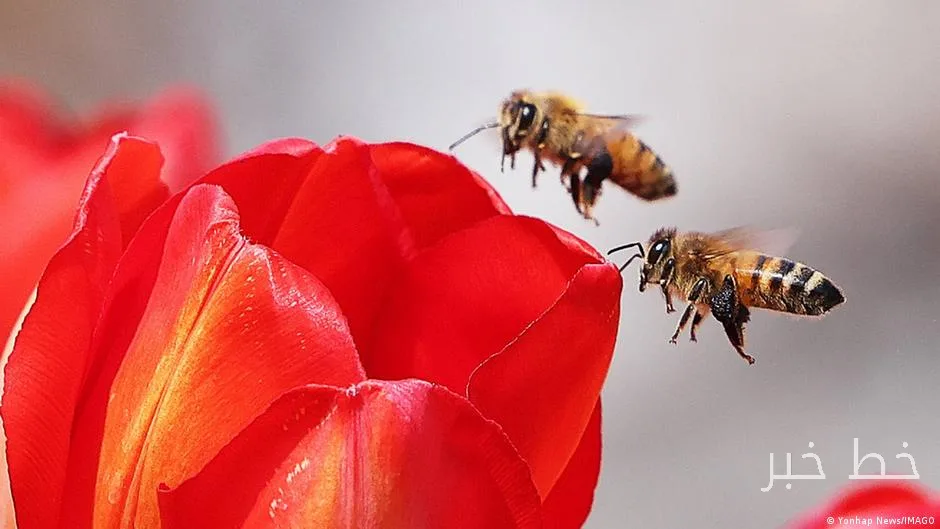
Additionally, the decline in pollinator populations, such as bees and bats, is creating challenges. Over 75% of global food crops depend on animal pollination in some way. Furthermore, soil and ecosystem degradation, along with storms and heatwaves caused by climate change, are currently damaging harvests.
A recent report from the UK government indicates that every vital ecosystem is moving towards "extinction," and nature loss poses a serious threat to global food security and geopolitical stability.
With the disappearance of biodiversity, humanity is at risk of losing access to unknown treatments. For instance, penicillin, the first antibiotic, is derived from a fungus and is estimated to have saved over 500 million lives. Additionally, about 70% of cancer drugs are derived from natural compounds or compounds that are "inspired by nature."
The decline of a species can lead to an increase in diseases. One study shows that the decrease in red fox populations in North America is associated with the spread of Lyme disease, a tick-borne illness.
The Earth has experienced five mass extinctions, during which a large number of species disappeared in a short geological period. Extinction is a natural process, but the current rate of species disappearance indicates that the Earth is experiencing a sixth event primarily caused by human activities.
Although the overall global trend is moving negatively, effective actions can improve this situation. For example, the population of sea turtles has rebounded after global efforts to protect nesting beaches and changes in fishing methods that reduce bycatch.
Read more: Forest Fire in Bromo National Park, Indonesia Kills Four Firefighters · West Nile Virus Spreads to Northern Europe at Record Levels