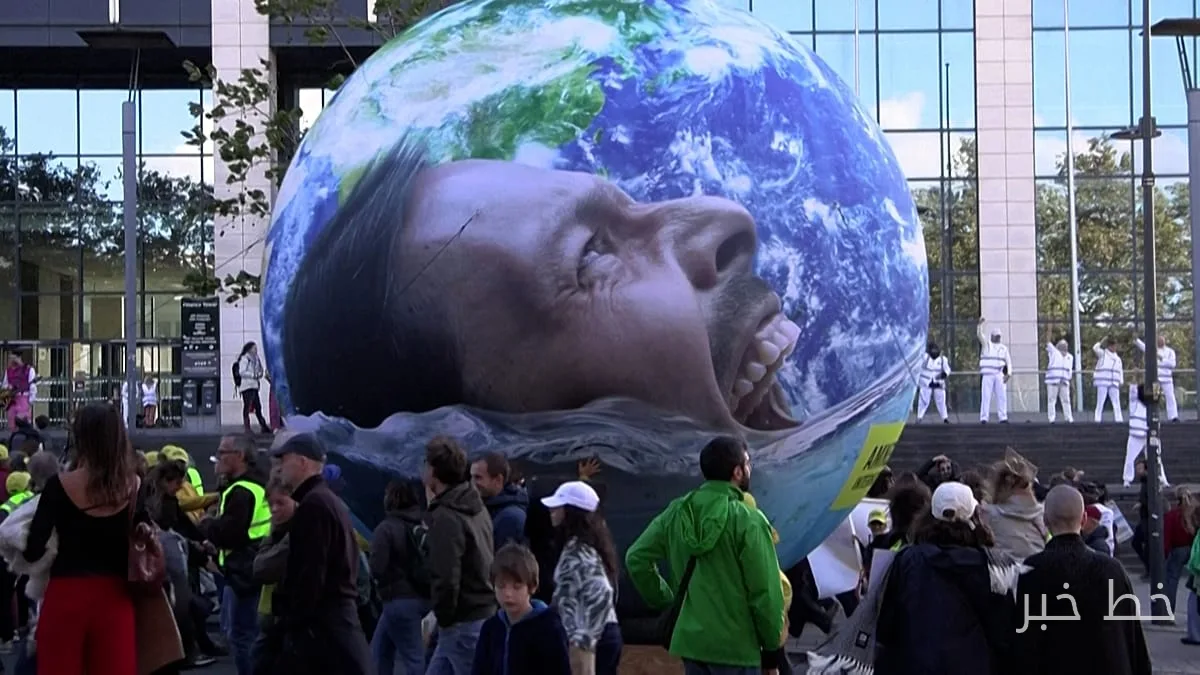
El Niño, as a major climatic phenomenon, refers to severe weather changes in the Pacific Ocean, and its effects can impact the lives of millions. As the global order is collapsing, this phenomenon is recognized as one of the main factors of turmoil in the current world.
Climate Change and Its Consequences
Climate changes, especially in the third decade of the 21st century, are increasingly on the rise. These changes not only lead to alterations in weather patterns but also increase the intensity of natural disasters such as storms, floods, and droughts. Among these, the El Niño phenomenon showcases new dimensions of these crises as one of the most prominent components of climatic upheavals.
Read more: The European Parliament has disagreements over climate laws
The Dual Consequences of El Niño
The consequences of El Niño are closely related to the geographical and climatic conditions of each region. In Iran, this phenomenon can lead to sudden floods and, at the same time, prolonged droughts. Predictions indicate that this duality may recur in many parts of the country, which can harm agriculture, water resources, and the daily lives of people.
Ultimately, El Niño represents a significant threat not only to Iran but to the entire world, increasing the need for effective and urgent policymaking. In these circumstances, governance amid these upheavals will be extremely challenging, and various countries must develop more comprehensive plans to address these challenges.
Read more: Emmanuel Macron has left his attendance at COP31 uncertain · Karen Bass expressed concern over Trump's remarks about Los Angeles and San Diego