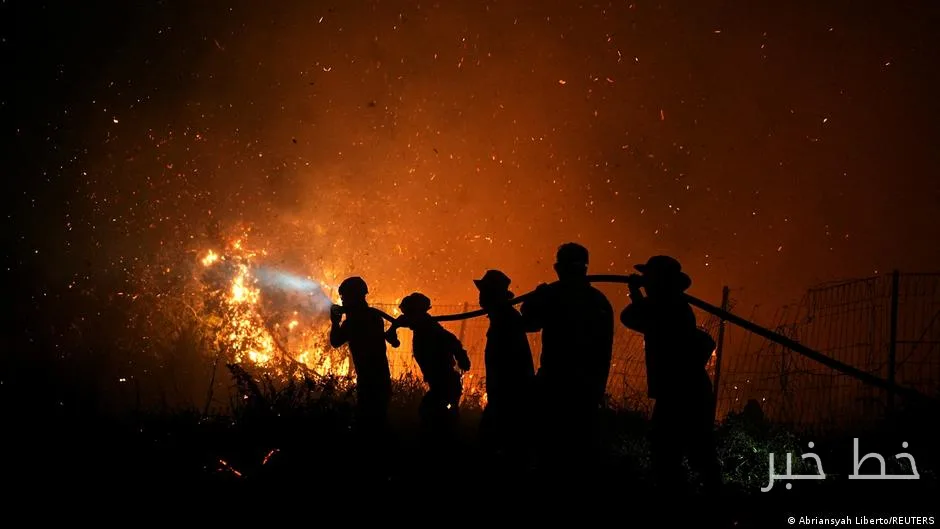
A forest fire in Bromo Tengger Semeru National Park in East Java, Indonesia, claimed the lives of four firefighters and left two others with severe burns. This incident occurred amidst widespread fires in the country, recognized as the worst fire crisis in the last decade.
Details of the Incident and Rescue Efforts
The victims were part of a 12-member firefighting team that included national park personnel, local firefighters, and local volunteers. They became trapped while trying to extinguish the flames amid thick smoke and fast-moving flames. East Java police spokesman, Jules Abraham Abast, pointed out that this incident highlights the high risks associated with firefighting operations in forests and burned lands.
Read more: Aspen Institute Emphasizes Carbon Accounting as a Major Climate Challenge
Increase in Hotspots and Environmental Crisis
According to the Indonesian Ministry of Forestry, the number of hotspots identified by satellites increased to 799 on Thursday, up from 372 the previous day. The current fires and rising temperatures due to the El Niño phenomenon have prolonged the dry season and worsened the situation. These fires have created a public health crisis not only in Indonesia but also in neighboring countries. Smoke from the forest fires in Indonesia has spread to neighboring countries such as Singapore, Malaysia, and the Philippines, causing an increase in respiratory problems in these areas.
In response to this crisis, the Malaysian government closed hundreds of schools on Friday due to declining air quality. Meanwhile, Singapore was identified as the world's most polluted major city, with Kuala Lumpur and Jakarta following in the rankings.
Malaysian Foreign Minister, Mohamad Hasan, rejected calls from some lawmakers for compensation from Indonesia, emphasizing that the crisis should be resolved through diplomatic engagement and existing mechanisms. He also stated that Malaysia is coordinating aid for Indonesia and stressed the importance of strengthening regional cooperation in managing smoke. Singapore also called for closer cooperation, with Prime Minister Lawrence Wong stating that officials are investigating companies potentially linked to the forest and land fires in Indonesia.
Singapore passed the Transboundary Haze Pollution Act in 2014 to address pollution caused by the activities of foreign companies. This law allows authorities to take action against companies whose activities abroad contribute to or exacerbate pollution in Singapore. However, legal experts have warned that pursuing companies under this law will be challenging.
Read more: Judge Criticizes Trump Administration After Golf Course Tree Removal · Congress Bans Sending Wild Horses to Slaughterhouses