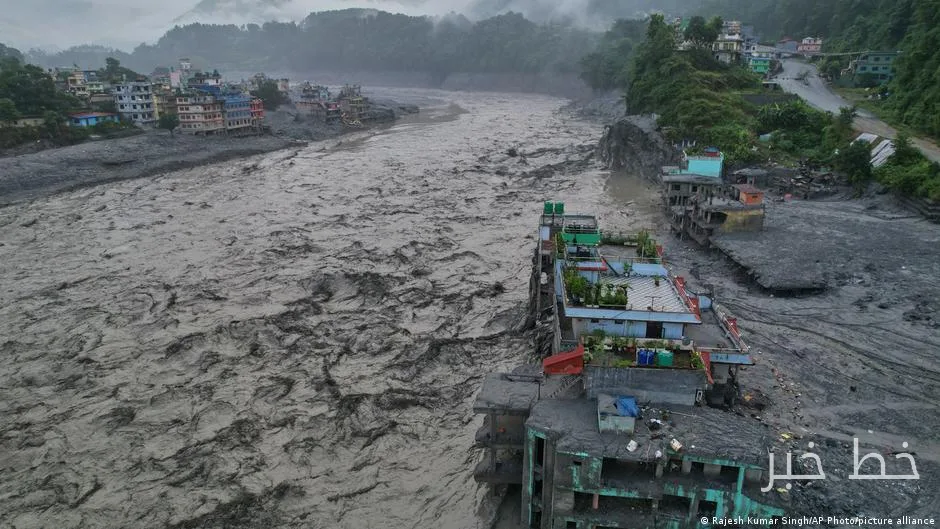
A deadly collapse in one of the mountains of Nepal that occurred on August 26 resulted in the deaths of nearly 1,400 people and the disappearance of over 5,000. Initially, this collapse was attributed to an earthquake, but new investigations indicate that climate change and a complex set of factors played a role in this disaster.
Factors Contributing to the Avalanche
Temperature changes have led to the retreat of glaciers, permanent thawing of frozen ground, and an increase in meltwater. Walter Immerzeel, a mountain hydrologist, said in a press call: "This was not a single-factor event." He explained that this disaster occurred at an altitude of about 5,150 meters and several processes over time contributed to this collapse.
Read more: Portuguese Minister of Agriculture: We need more goats to put out the fire!
The floods began with a large rock avalanche on the northern side of Langtang Lirung, which sent approximately 110 million cubic meters of rock and ice downward as a section of the glacier collapsed. This type of rock avalanche is rare and occurs only once every 1,000 to 10,000 years.
Consequences of the Disaster
This material fell approximately 1,400 meters down the mountain and collected debris, water, ice, rocks, and sediments during its descent. The impact of this collapse released energy equivalent to a 5.2 magnitude earthquake. Upon entering the valley, it also destroyed buried ice and added another 30 million cubic meters of debris and water to the flow.
The flood reached the Nepal-China border in Rasuwagadhi in about seven minutes and moved downward at an average speed of 170 kilometers per hour. In total, this flood covered more than 200 kilometers in less than seven hours.
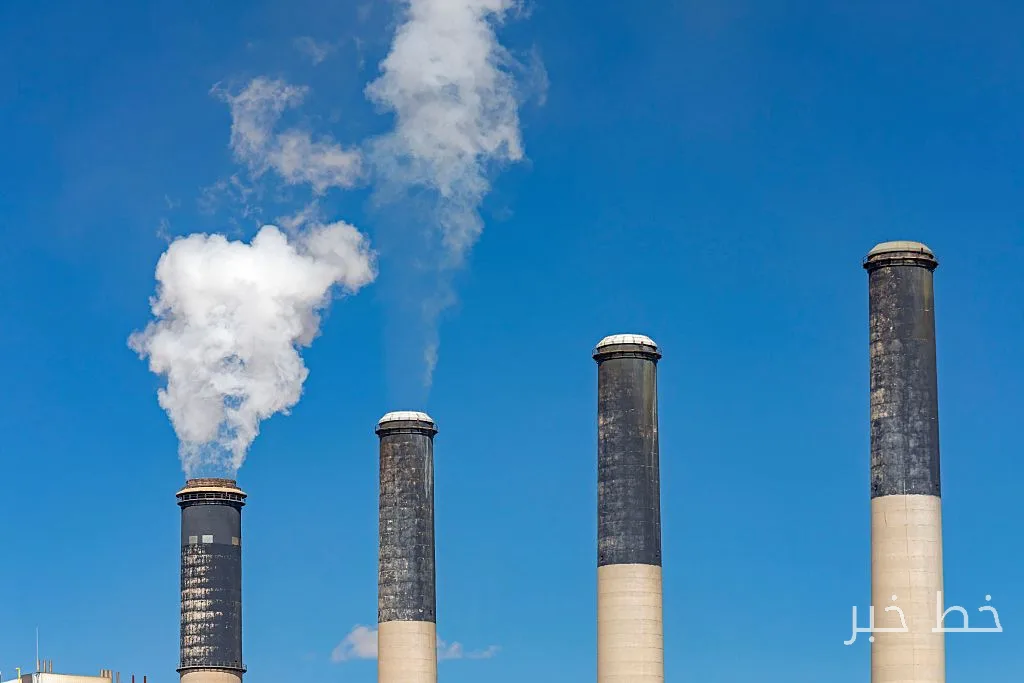
Researchers examining this disaster have found that the difficult conditions caused by climate change facilitated the avalanche. The temperature increase due to fossil fuels has altered the shape of this region of the Himalayas over decades. Near the site of the collapse, the glacier's edge retreated only 75 meters between 1964 and 2000, but from 2010 to 2026, this retreat increased to 373 meters.
This collapse is also linked to the melting of frozen ground at altitudes of 4,500 to 5,500 meters, which is highly sensitive to warming. In the days leading up to the collapse, temperatures in this area were recorded to be 7 degrees Celsius above the average.
Researchers have also investigated whether this disaster was predictable and preparable. They concluded that Nepal's early warning systems are designed to predict floods caused by rainfall and are not capable of identifying sudden and cascading events like this collapse.
Frederik Otto, a climate science professor at Imperial College London, said: "When warming destabilizes the roof of the world, no amount of local adaptation can fully protect vulnerable people from this scale of destruction." He also added: "Without faster action to transition to zero greenhouse gas emissions, we will certainly witness more disasters of this scale in the coming years."
Read more: Rescue of a sticky and rare lake snail in Wales; Is time running out? · Finnish Prime Minister announces new EU strategy for the Arctic