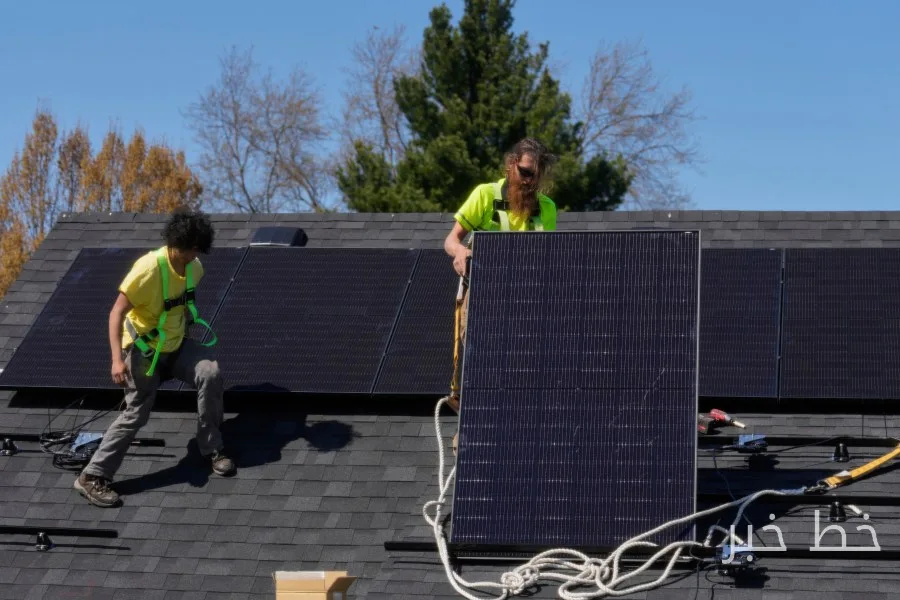
A federal court in Rhode Island has rejected the Trump administration's move to cancel the $7 billion 'Solar For All' program and has revived it. This decision is particularly significant for underserved communities seeking access to solar energy.
History of the 'Solar For All' Program
The 'Solar For All' program was designed to provide solar energy for low-income and underserved communities. The program aimed to improve the living conditions of these communities by reducing energy costs and increasing access to renewable energy. In recent years, the program has received financial and technical support from the federal government and has been able to implement numerous solar energy projects.
Court Decision and Its Implications
Judge Mary McElroy, appointed by Trump, invalidated the Environmental Protection Agency's (EPA) action to cancel this program and retract its funding. This decision was made due to the negative impacts that the cancellation of the program would have on underserved communities. With the revival of this program, new solar energy projects are expected to begin, providing more households with access to clean and sustainable energy.
The 'Solar For All' program is one of several initiatives launched by previous administrations to combat climate change and promote renewable energy. However, the Trump administration decided in 2020 to cut such programs in an effort to reduce costs. Now, with this court decision, the program can return to its path and continue its goals of improving the quality of life for underserved communities.
Future Outlook
Support for the 'Solar For All' program could serve as a model for other similar programs in different states. With increasing attention to renewable energy and the need to combat climate change, this program could help improve living conditions in low-income communities and be presented as a successful model for other governments.