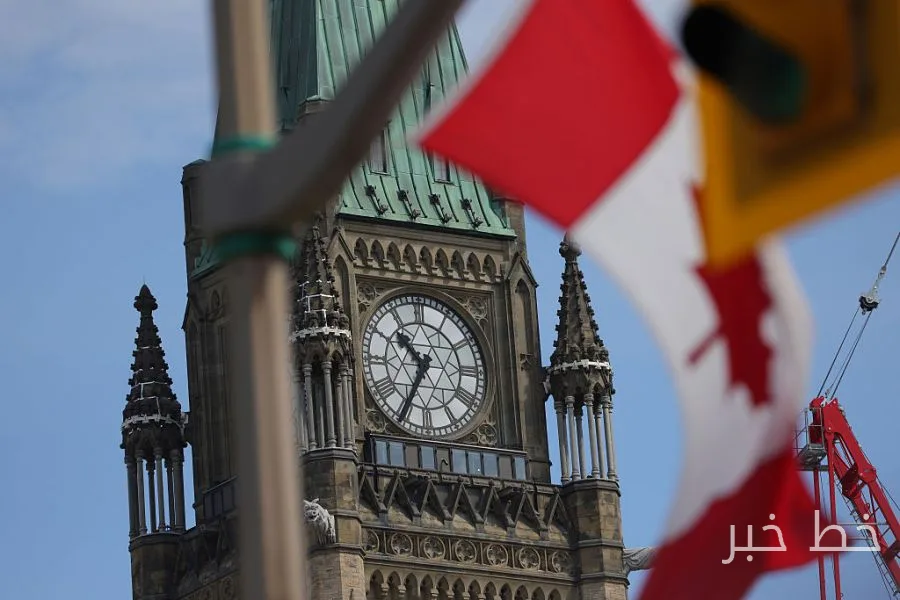
Permanent daylight saving time in Canada is becoming a new standard, and clocks will no longer fall back in November. Last week, officials from the Northwest Territories announced that they will no longer observe seasonal clock changes. This decision was announced less than a week after Manitoba officials stated that permanent daylight saving time would be officially implemented.
Changes in Different Regions
The announcement from the Northwest Territories and Manitoba means that residents in these areas will no longer need to adjust their clocks for different seasons. These changes come after years of discussion and examination regarding the benefits of permanent daylight saving time and its effects on residents' daily lives. Many residents are seeking to improve their quality of life and save time, and this change responds to their requests.
Read more: Brian Kemp Suspended Georgia's Gas Tax for 30 Days
Social and Economic Implications
Converting daylight saving time to a permanent standard could have significant social and economic impacts. On one hand, residents may benefit from increased afternoon daylight hours, which could lead to more social and economic activities. On the other hand, experts refer to this change as an opportunity to reduce energy consumption and improve residents' mental health.
However, some critics believe that this change may harm certain residents' health. Changing the time can disrupt sleep and lifestyle patterns, potentially causing problems, especially for individuals sensitive to time changes.
Conclusion
With recent decisions regarding permanent daylight saving time, it seems that Canada is moving towards a new and modern approach to time management. These changes not only respond to residents' desires but could also help improve quality of life and increase economic efficiency. However, monitoring the effects of these changes over time is important.
Read more: The Spanish Government Agreed on New Measures for the Housing Crisis · The Irish Finance Minister Emphasized the Close Relationship Between the European Union and Canada