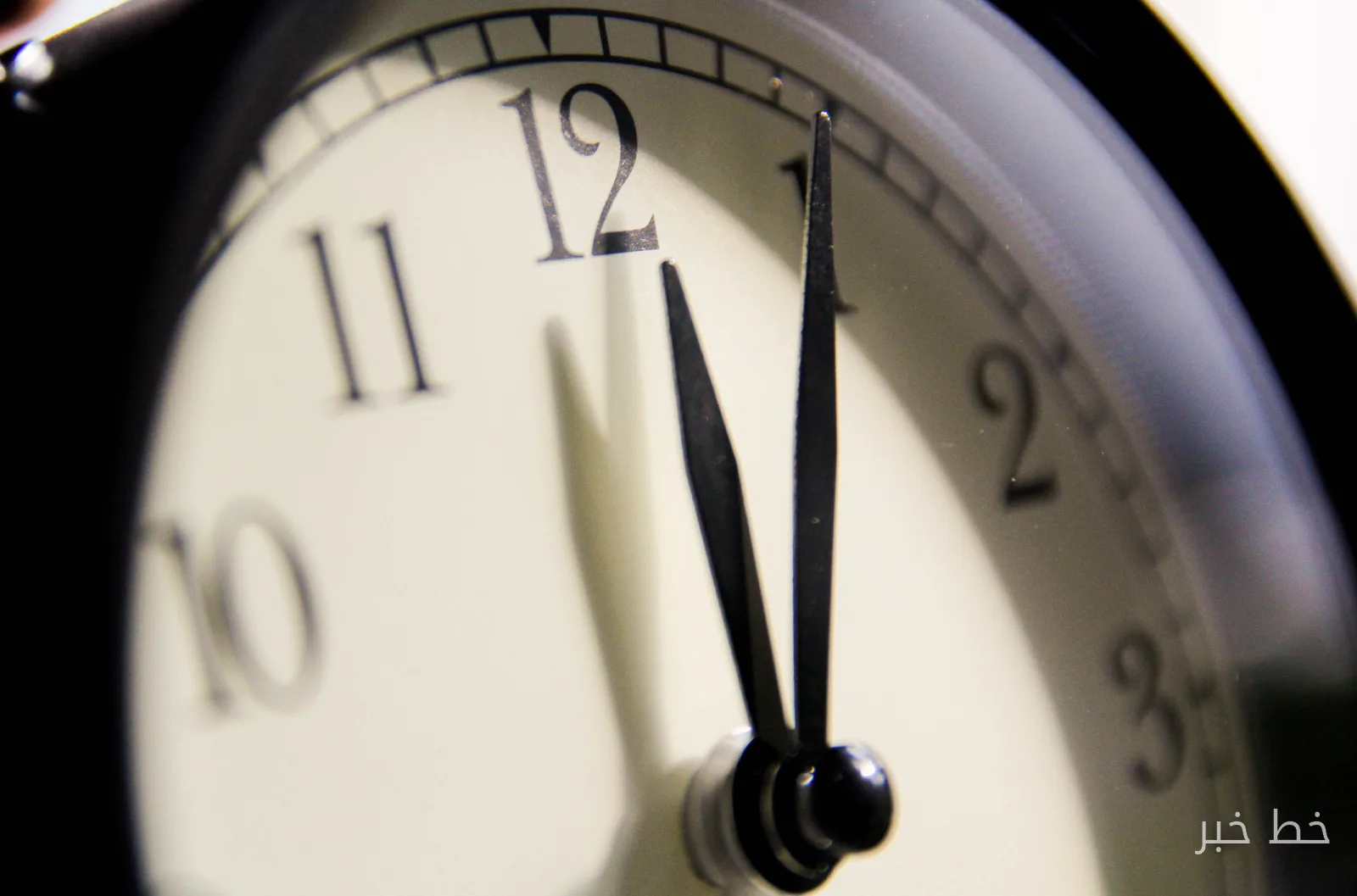
Clocks in most U.S. states will fall back one hour this weekend as Daylight Saving Time ends. On Sunday morning, most parts of the country will revert to standard time, meaning earlier sunrises and sunsets.
Impact of Time Change on Sleep
This time change comes as some lawmakers, with the support of President Donald Trump, are working to pass a bill in Congress that would make Daylight Saving Time permanent and stop the biannual clock change. However, this bill has faced opposition from other lawmakers and sleep experts.
Read more: Trump's administration faced defeat in Brazil
Daylight Saving Time ends at 2 a.m. local time on November 1, and clocks will fall back to 1 a.m. Dr. Alex Dimitriou, a psychiatrist and sleep doctor, likens this change to "a one-hour jet lag" and says it can be difficult for many people. However, returning to standard time means that people will gain an extra hour of sleep.
Sleep Experts' Recommendations
Dr. Andrea Matsumura, a sleep physician and spokesperson for the American Academy of Sleep Medicine, says that the transition to standard time usually aligns well with our circadian rhythms, and most people adapt easily. According to her, it is the transition to Daylight Saving Time that requires more adjustment.
In the days leading up to the start of Daylight Saving Time, which will occur next March, Matsumura typically recommends that people go to bed a little earlier to make the time change less painful. However, for the transition to standard time, no special preparation is needed, and she suggests that people continue their regular sleep schedule.
Matsumura also recommends that to improve sleep, people get exposure to daylight in the morning and avoid caffeine in the afternoon. Dimitriou suggests that people engage in some physical activity in the morning, such as walking, and avoid eating late at night.
Most U.S. states change their clocks twice a year: once in March with the start of Daylight Saving Time and again in November for standard time. Under current federal law, states are allowed to opt out of Daylight Saving Time and remain on standard time year-round. Hawaii and most of Arizona have chosen this option and adhere to standard time all year. However, federal law does not allow states to continue Daylight Saving Time year-round.
A bill called the "Sunshine Protection Act," if passed by Congress and signed by the President, would change this situation. This bill would mean that the country would observe Daylight Saving Time year-round, although different states could choose to remain on permanent standard time instead.
The Sunshine Protection Act passed the House of Representatives with bipartisan support in July. However, the fate of this bill in the Senate is uncertain. Earlier this month, Senate Majority Leader John Thune told POLITICO that there is "no clear path forward or agreement" on this bill.
Some lawmakers in the Senate, such as Senator Tom Cotton from Arkansas, have criticized the proposal. Critics argue that permanent Daylight Saving Time would mean much later sunrises in some parts of the country, forcing people to go to school and work in the dark.
Sleep experts, including the American Academy of Sleep Medicine, have also opposed this bill, stating that standard time aligns better with people's circadian rhythms. However, Trump has responded to critics of the Sunshine Protection Act and continues to support the bill. In early October, he accused Cotton of "blocking" the bill and urged his followers to "call Tom on his cell phone" to express support for the Sunshine Protection Act.
Read more: Australian criminal requests to lift the ban on vegemite · Senators face challenges in efforts to abolish annual time changes