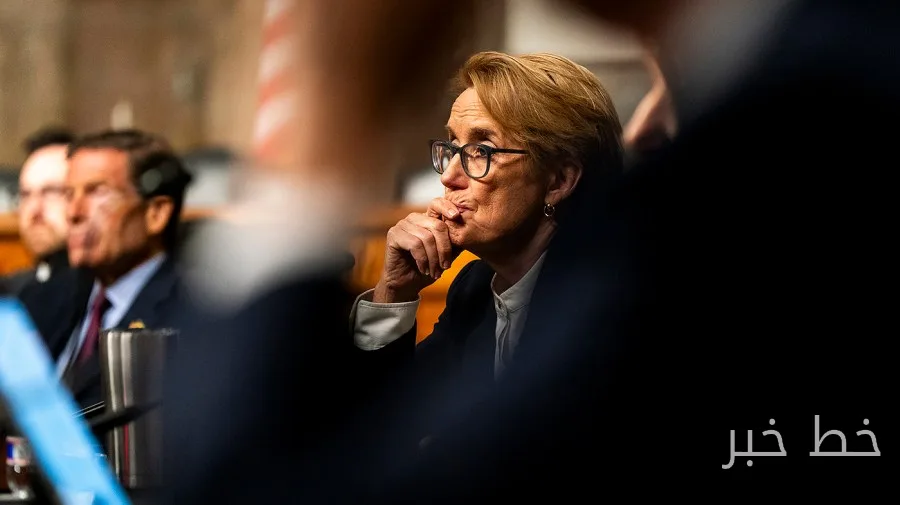
Democrats in the Senate Homeland Security and Governmental Affairs Committee on Wednesday rejected a Republican effort to grant immunity to a former aide of Anthony Fauci. This move is part of the committee's investigation into Fauci's performance during his tenure.
Voting Details
The proposal, which required the support of two-thirds of the committee members, was ultimately rejected along party lines with a vote of 8-7. This action reflects the deep divide of opinions among committee members regarding public health issues and responses to health crises.
Read more: The effectiveness of the nurses' union in aiding nursing jobs is under question
Background of the Investigation into Fauci
Anthony Fauci is recognized as a prominent figure in the response to the COVID-19 outbreak. He has served as a senior public health advisor in various administrations, and his opinions on managing health crises have been heavily scrutinized and criticized. However, Republicans believe that to fully understand the decisions made during the outbreak, attention must also be given to Fauci's aides.
This investigation aims to examine Fauci's performance and assess how the public health crisis was managed. Democrats on this committee argue that granting immunity to these aides could hinder the discovery of facts, which is why they opposed the proposal.
Political Implications
This action by the Democrats not only demonstrates their effort to maintain transparency in health matters but could also impact future political and electoral processes. Given the sensitivity of public health issues among voters, such disputes could influence the midterm elections and the future political landscape for Republicans.
In conclusion, a new round of discussions and debates regarding Anthony Fauci's performance and government health policies, especially during the COVID crisis, is taking shape, which could have deeper implications for the political future of the United States.
Read more: The Ebola outbreak in the Democratic Republic of the Congo continues · The majority of voters say the country is on the wrong track and will vote for Democrats in 2026