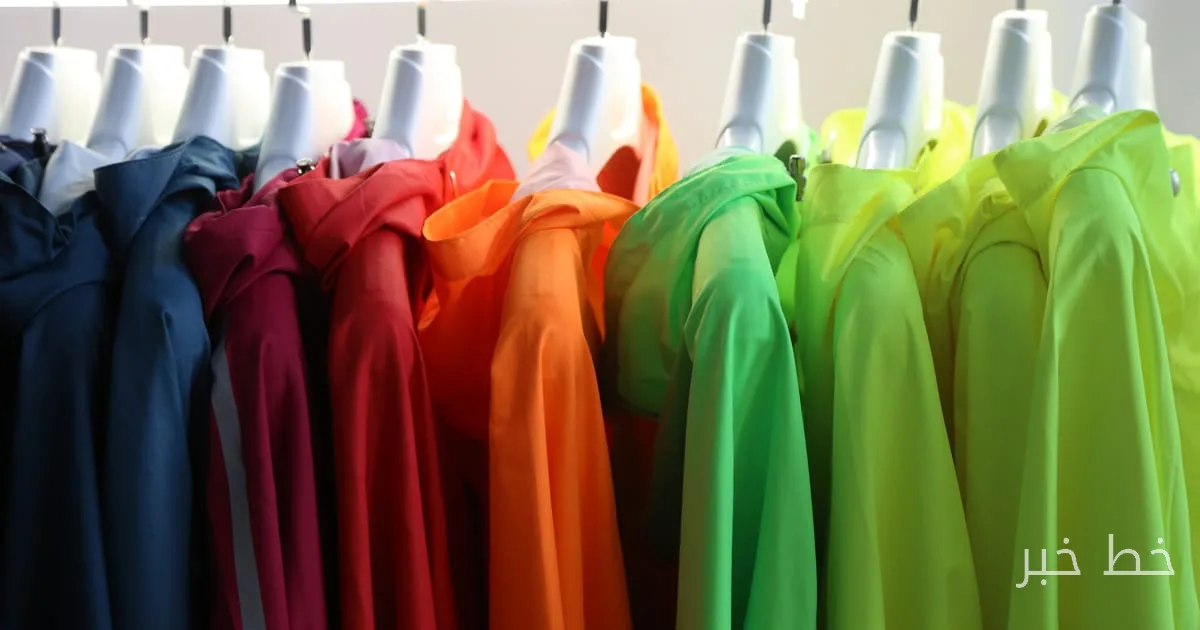
The Netherlands has granted a €135 million subsidy to Reju for the construction and operation of the first industrial textile recycling center in Chemelot. This project is designed to convert post-consumer polymer textile waste into high-quality recycled polyester. With the launch of this center, it is expected that approximately 40,000 tons of recycled polyester will be produced annually.
Challenges of textile recycling in Europe
The textile recycling industry is rapidly growing, but still only a fraction of post-consumer textile waste in Europe is reused. According to reports, by 2025, only 1.5 million tons out of 13.3 million tons of textile waste will have been collected and sorted. Meanwhile, European consumers purchase an average of 95 textile items annually, a number that has increased by 12 percent since 2019.
Read more: Growing concerns among Americans about the environmental impacts of artificial intelligence
With the rise of fast fashion brands, many challenges have arisen in managing textile waste. On average, each European citizen discards 25 kilograms of textiles per year. Currently, textile waste is primarily buried or incinerated in a non-recyclable manner, which has become a significant environmental issue.
Proposed solutions to improve the situation
To address these challenges, Europe needs to utilize the new circular economy law and recognize textiles as a vital resource. This law should provide a coherent framework for large-scale collection, sorting, reuse, and high-quality recycling. According to Patrick Freesick, CEO of Reju, "We need to build the necessary infrastructure and change current methods."
The development of the textile recycling industry can help conserve natural resources and reduce waste, as well as contribute to the rebuilding of the industrial base and economic governance of the European Union. Given that each EU member state is required to establish its producer responsibility system for textiles by April 16, 2028, the time for action is rapidly passing.
Read more: Trump administration changes interpretation of endangered species law · Ursula von der Leyen warns of the EU's trade deficit with China