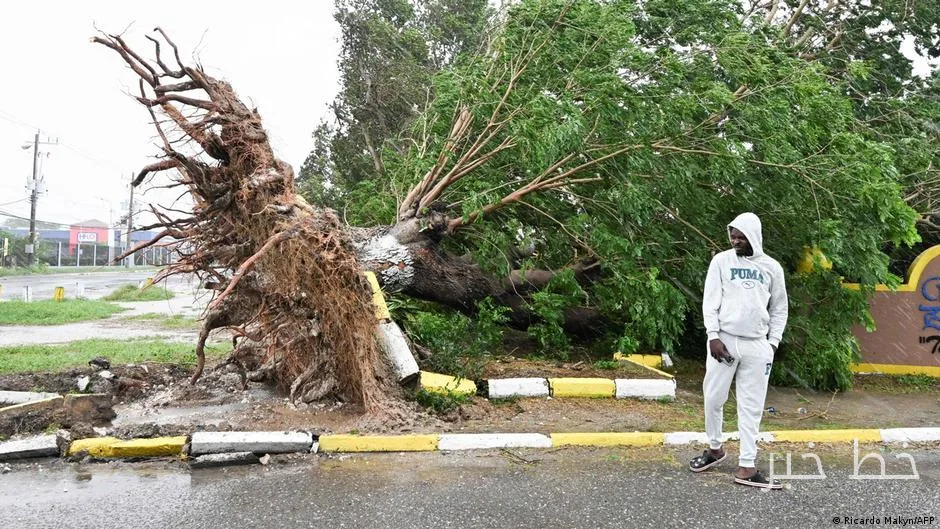
The year 2026 has been very quiet in terms of tropical storms in the Atlantic Ocean. As of September 23, only six tropical storms have formed in this region, and none have reached hurricane status, which is unprecedented since satellite tracking of storms began in 1966.
New Records in the Hurricane Season
Matthew Rosencrans, the senior hurricane season forecaster at NOAA's Weather Prediction Center, stated, "In the satellite era, we have never had a year without a hurricane. This is a first." This lull is primarily due to the El Niño-Southern Oscillation (ENSO), which is a variable cycle of winds and sea surface temperatures in the Pacific Ocean that affects weather patterns worldwide.
Read more: Nepal's Environment Minister Requests $20 Million for Climate Justice
The Impact of El Niño on Tropical Storms
According to NOAA, the cumulative energy of tropical storms this year in the Atlantic is at its lowest for this time of year, which typically peaks around September 10. None of the six tropical storms recorded so far have reached wind speeds of at least 119 kilometers per hour (74 miles per hour), which is necessary to become a Category 1 hurricane.
During El Niño years, storms typically form along the eastern coast of the United States and near the Gulf of Mexico, giving them less time to develop into major storms. Rosencrans noted that changes in wind speed or direction at different altitudes can disrupt storm formation. He added, "The stronger the El Niño event, the stronger the wind shear."
El Niño occurs on average every two to seven years, and its effects can last up to a year. During this period, trade winds that typically move east-west across the Pacific weaken and sometimes even reverse. These changes in wind patterns can disrupt the formation of storms in the Atlantic.
However, in the Pacific, El Niño typically leads to an increase in tropical storms. This region of the Pacific has seen several major storms this year, including Storm Polo, which has become one of the strongest Pacific storms in recent decades.
Read more: The Earthshot Prize Highlights Positive Milestones in Climate Change · India Approaches the Driest Rainy Season in 17 Years