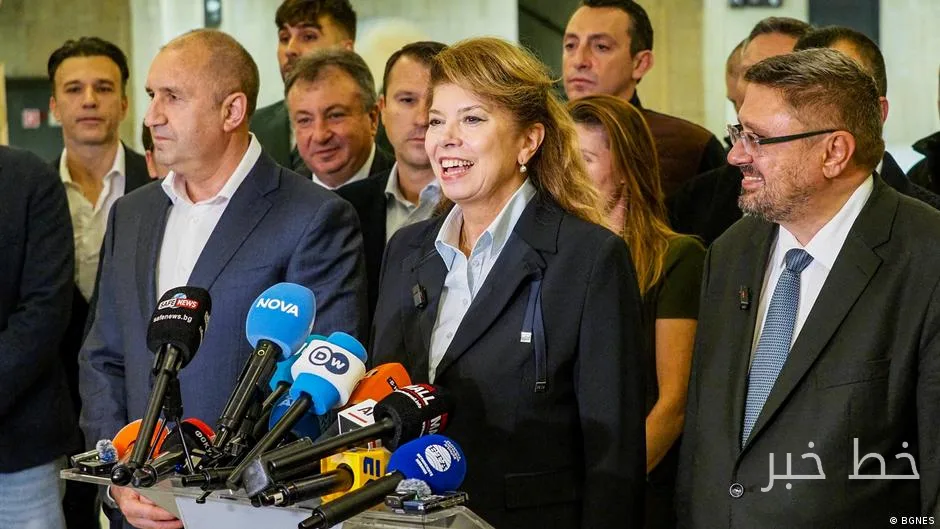
Eliana Yotova achieved a decisive victory in the presidential election in Bulgaria, securing 57.6 percent of the votes and defeating her opponent, Andrey Gyurov, who received 39.5 percent. Yotova, who previously served as Vice President, introduced herself as the 'President of Peace' in this election and emphasized her opposition to military aid to Ukraine and the necessity of dialogue with Russia.
Key Election Issues
Roman Radev, the Prime Minister of Bulgaria, told voters before the second round of elections: "We are choosing between war and peace." These remarks indicate that the second round of elections has somewhat turned into a referendum on the country's foreign policy and its stance on the war in Ukraine. Throughout her campaign, Yotova consistently referred to the issue of the Ukraine war, stating: "As long as I am president, no Bulgarian soldier will go to Ukraine."
Divided Opinions in Bulgarian Society
Despite Yotova's victory, the election results reflect a division of opinions in Bulgarian society. Dimitar Ganov, a sociologist and political researcher, explains that younger voters, especially those aged 18 to 40, tend to favor Gyurov, while voters over 40 are more inclined to vote for Yotova. Gyurov enjoys greater popularity in the capital, Sofia, while Yotova has an advantage in smaller towns and rural areas. This division was also evident during the campaign, as Gyurov focused more on social media, while Yotova engaged more with supporters of Bulgaria's progressive party in closed venues.
In the final days of the election, Yotova promised pro-Russian voters that Russia is not Bulgaria's enemy and considered it part of the country's history. She also warned of the dangers and potential unrest if peace is not established. "Each of them," referring to Gyurov's supporters, "talks openly about possible protests."
Ultimately, Yotova achieved victory by emphasizing the issues of peace and dialogue. After the election results were announced, she said: "We won because we talked to the people about income and peace." This victory came as many opposition parties, including the right-wing GERB party, abstained from participating in the election, which was one of the reasons for the low voter turnout.
Read more: The European Union decides to cancel the associate membership proposal for Canada · Increase in cancer rates in Iowa affects future elections