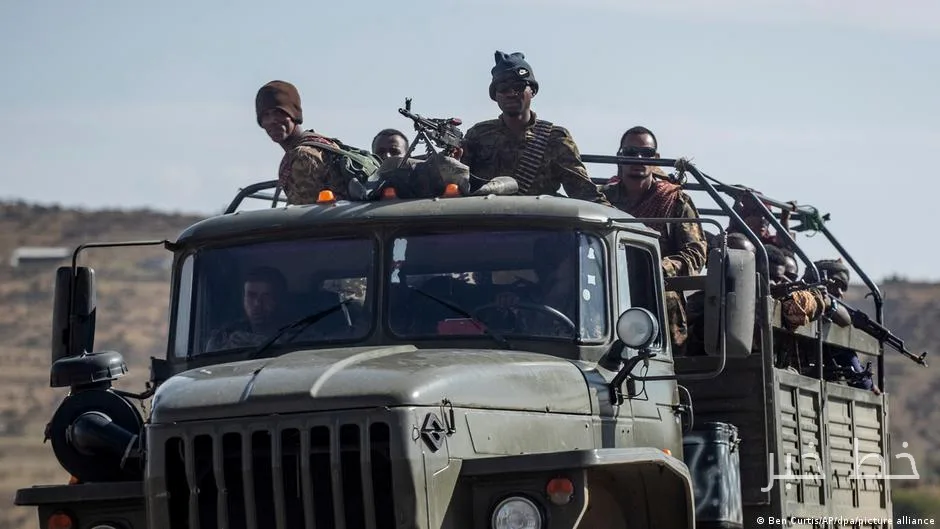
Tensions in Ethiopia have escalated again following an increase in clashes in the north of the country. In recent weeks, several armed groups that were previously enemies have officially announced their alliance against the federal government of Abiy Ahmed.
Reasons for the Escalation of Tensions
This time, the circumstances are significantly different from previous conflicts. Countries outside of Ethiopia have been accused of intervening in this situation, each seeking to destabilize Abiy Ahmed's government. This has heightened concerns about long-term instability in the Horn of Africa.
Read more: Donald Trump Sets New Record with 56 Appearances on TIME Cover
The Pretoria peace agreement, which ended the conflict between the federal government of Ethiopia and the Tigray People's Liberation Front (TPLF) in 2022, failed to fully address the existing issues. Journalist Negash Mohammed believes that this agreement failed for various reasons, including the neglect of Eritrea's role and the Amhara militias known as Fano.
Social and Economic Impacts
Conflicts between the federal government and Fano escalated when Addis Ababa decided to forcibly disarm the militias. Mohammed emphasizes that the federal government has exacerbated existing problems instead of garnering the support of other parties.
This alliance includes various groups that have not cooperated with each other in the past. The Oromo Liberation Army and several other smaller groups from the western Benishangul-Gumuz region, along with ethnic groups from Afar that border Tigray, are part of this alliance. Eritrea also appears to be acting in favor of the rebels in this situation.
Patricia Rodriguez, a senior analyst at Control Risks, has pointed to the level of strategic coordination among these groups, which she considers concerning for the federal government. She also warns that despite this coordination, there is a possibility of disagreements arising in the future.
Currently, civilians are paying the price for these conflicts, and many are fleeing the violence to seek refuge in safe areas again. Mohammed states that since 2020, these individuals have not been able to return to their areas and are living in temporary refugee centers.
Despite official assurances for the protection of civilians, the existing realities contradict what is being said. Mohammed believes that meaningful negotiations will not occur until one of the parties realizes that violence does not help their objectives.
Read more: North and South Korea Accuse Each Other of Landmining · Increased Clashes in Tigray, Ethiopia Threaten Peace in the Horn of Africa