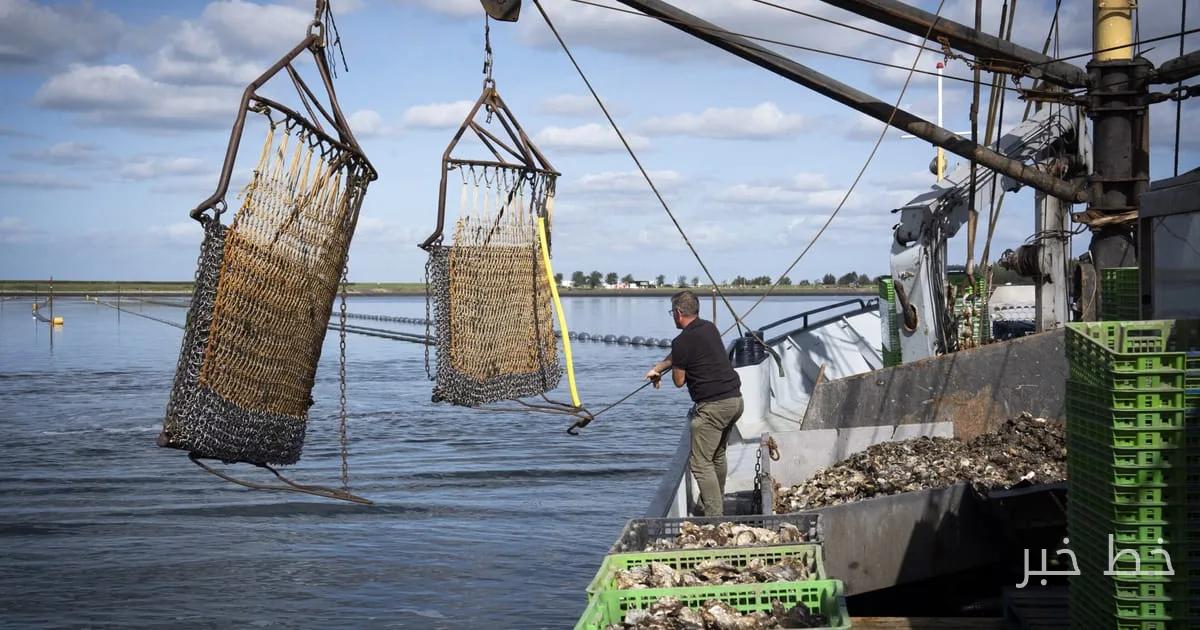
Member countries of the European Union (EU) are trying to weaken the European Commission's proposal to link financing for the fishing industry to broader environmental goals. This move comes as political negotiations over the size of the Union's budget and the prioritization of environmental goals are intensifying.
Details of the European Commission's proposal
The European Commission's proposal, designed for the €2 trillion seven-year budget of the Union, specifies conditions for financing the fishing industry to ensure that EU financial resources also contribute to marine conservation and the blue economy. However, in a meeting held on Tuesday among fishing ministers, a majority of EU member countries believe that financial resources should be more focused on modernizing and increasing fishing fleets while respecting fish stock levels.
Read more: Ontario police rescue raccoon trapped in sewer pit
Diverse viewpoints
Martin Heydon, Ireland's Minister for Agriculture and Fisheries, stated: "Funding for our fishing and aquaculture sector must be clearly defined to facilitate easier access to these resources in the future." It was also agreed in this meeting that changes would be made to the text of the agreement to indicate that these financing rules should be "properly considered" when applying the "do no significant harm" law in the overall EU budget.
These changes led some countries, including the Netherlands and Sweden, to withhold support for this agreement. EU member countries must submit national and regional partnership programs that specify how they intend to use EU financial resources.
The European Commission insists that these programs should contribute to activities outlined in the "European Ocean Pact." This pact serves as a policy framework for the protection of marine ecosystems and the promotion of the blue economy. However, a version of the governments' position obtained shows that capitals are inclined to keep financing for the ocean pact optional and instead refer generally to EU financial resources for promoting ocean sustainability.
Additionally, governments removed a specific requirement that would obligate member countries to consider environmental standards and "balance between the fishing capacity of fleets and available fishing opportunities." Daniel Vocas de Unayndi, CEO of the fishing industry union Europêche, said: "EU fishing financing should primarily serve the implementation of the Common Fisheries Policy" and added that marine protection and research could be funded through other budget sectors.
Environmental groups oppose this position. Dimitri Lamy, a lawyer at the legal charity ClientEarth, stated: "The governments' position is a recipe for increased overfishing" and added that EU countries are "opening the door to public resources for fleets that currently have more fishing capacity than fish stocks can support."
Read more: Beijing should lift restrictive controls to reduce Himalayan disasters · Deer walks on New York highway