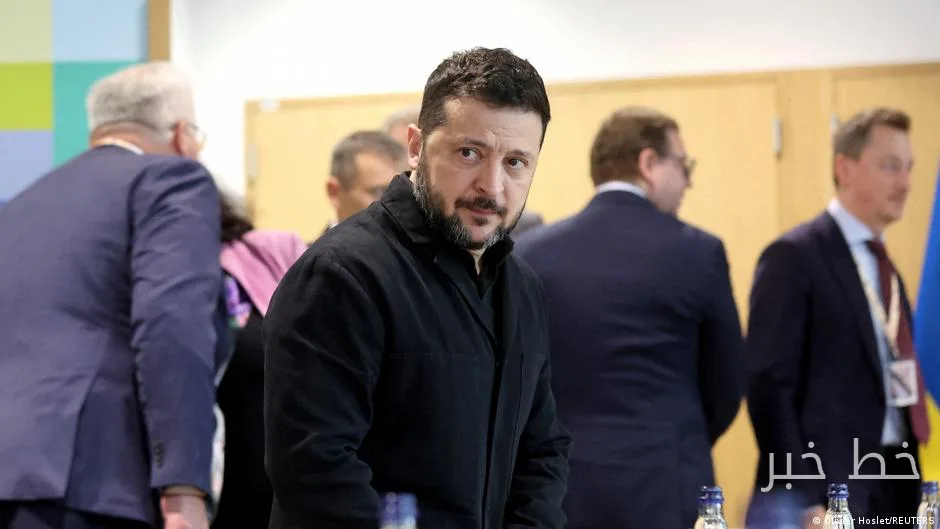
European leaders are under pressure to name a representative for their participation in the Ukraine peace talks. This pressure has increased following comments by Steven Witkoff, a U.S. representative, regarding the involvement of Europeans in upcoming meetings.
Tensions at the European Political Meeting
Josep Borrell, the EU's foreign policy chief, responded to reporters' questions at the European Political Community meeting in Dublin with a sarcastic smile, criticizing the lack of a proper seat for Europe in the negotiations. This meeting, attended by 47 European leaders, followed a diplomatic trip by advisors to Donald Trump, namely Jared Kushner and Steven Witkoff, to the UAE and then Moscow to meet with Vladimir Putin.
Disagreement Over the Representative
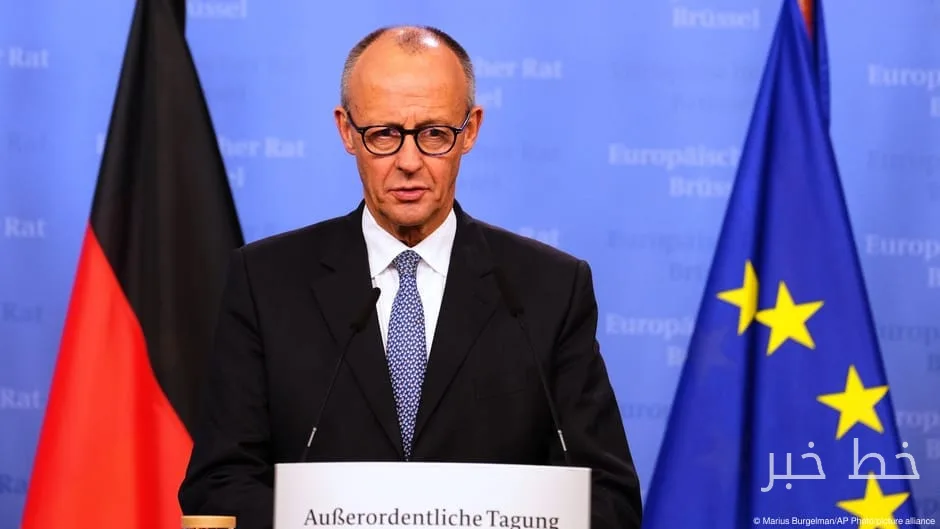
Borrell is considered one of the potential candidates to represent the EU in the peace talks, but no central figure has yet been chosen to send to these negotiations. Many national leaders prefer to attend these meetings themselves. German Chancellor Friedrich Merz emphasized the necessity of Europe's presence in the talks, stating: "At this table, Ukraine, Europeans, Americans, and naturally Russia must be present."
Volodymyr Zelensky, the President of Ukraine, stressed the importance of European participation in the peace negotiations, saying: "Europeans are currently involved in these negotiations, and we must ensure that Europe regularly becomes part of these talks."
Internal Disagreements in Europe
Internal disagreements in Europe about who should be present in the negotiations have led to a public dispute. Giorgia Meloni, the Prime Minister of Italy, wrote a harsh letter to Antonio Costa last week, criticizing the lack of unity. She wrote: "By presenting a picture of Europe that is in disarray, we are only acting in favor of those who want this war to continue."
There are palpable fears among European leaders in Dublin that the United States may accept Russia's demands and alter Europe's security structure. Vladimir Putin, during a meeting with Kushner and Witkoff in Moscow, stated: "After signing the peace agreement, they will immediately deploy forces in Ukraine." This kind of rhetoric has raised significant concerns among European leaders.
While disagreements over the representative in the peace talks continue, larger challenges are emerging for the European Union, including how to finance Ukraine amid the ongoing war. The European Commission pointed out a €70 billion shortfall in the Union's budget to support Ukraine's economy in October.
Read more: Jared Kushner's Security Plan for Europe is Not Convincing · Jared Kushner Goes to Moscow to Meet with Putin