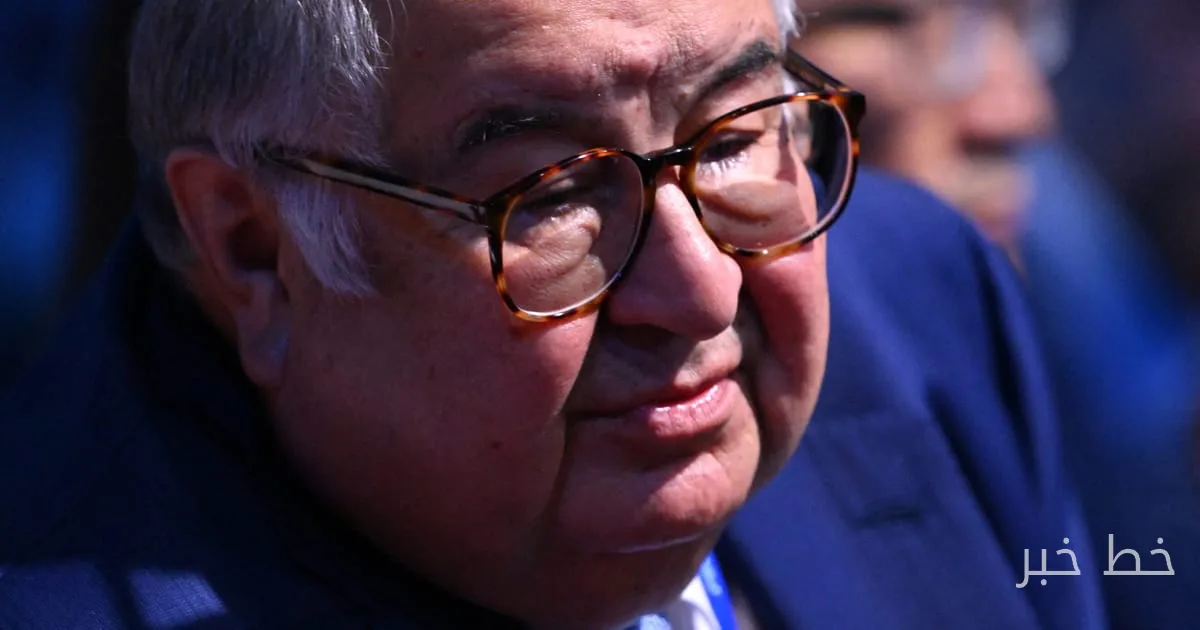
European Union countries are currently moving towards a new agreement that could result in the removal of two prominent Russian billionaires, Alisher Usmanov and Mikhail Fridman, from the sanctions list. This agreement comes in exchange for maintaining sanctions against over 3,000 others.
Details of the negotiations in Brussels
Ambassadors from EU member states met on Monday in Brussels to negotiate the extension of the sanctions framework. France has stated that it will not allow the negotiations to progress unless Alisher Usmanov is removed from the sanctions list. Mikhail Fridman has also been mentioned as another individual who may be removed from the sanctions list.
Read more: Canada and the European Union seek special membership for further cooperation
According to information received from three informed diplomats, the new agreement will lead to the extension of sanctions against over 3,000 individuals for a period of 36 months. In exchange, Usmanov and Fridman will be removed from the sanctions list. Member states must announce their agreement in writing by 8:00 PM tonight. According to diplomats, this agreement is likely to move forward.
France's position and its reasons
France has not publicly or privately explained its motivations for this action. Diplomats have only indicated that this move relates to “a specific national security issue” and that Paris “wants to respond positively to international partners who have contacted us regarding Mr. Usmanov.”
Usmanov has consistently denied supporting Russia's war and has sought to have his name removed from the sanctions list. Fridman also believes that the seizure of his assets is illegal. These two Russian billionaires are among the wealthiest individuals in their country, and sanctions against them could have profound economic and political implications.
EU sanctions have been employed as a tool to counter Russia's actions in Ukraine and other parts of the world. However, the removal of the names of two billionaires from the sanctions list could raise serious questions about the coherence and objectives of these sanctions. Many EU members are concerned that this action may lead to a rift among member states.
Given the political and economic complexities, the review and negotiation of sanctions remain one of the hot topics in the European Union. These negotiations are expected to reach a conclusion soon, and their outcome will likely influence the EU's future policies towards Russia.
Read more: The Social Democratic Party is striving to counter AfD in Mecklenburg-Vorpommern · Antonio Costa calls for strengthening EU relations with Canada