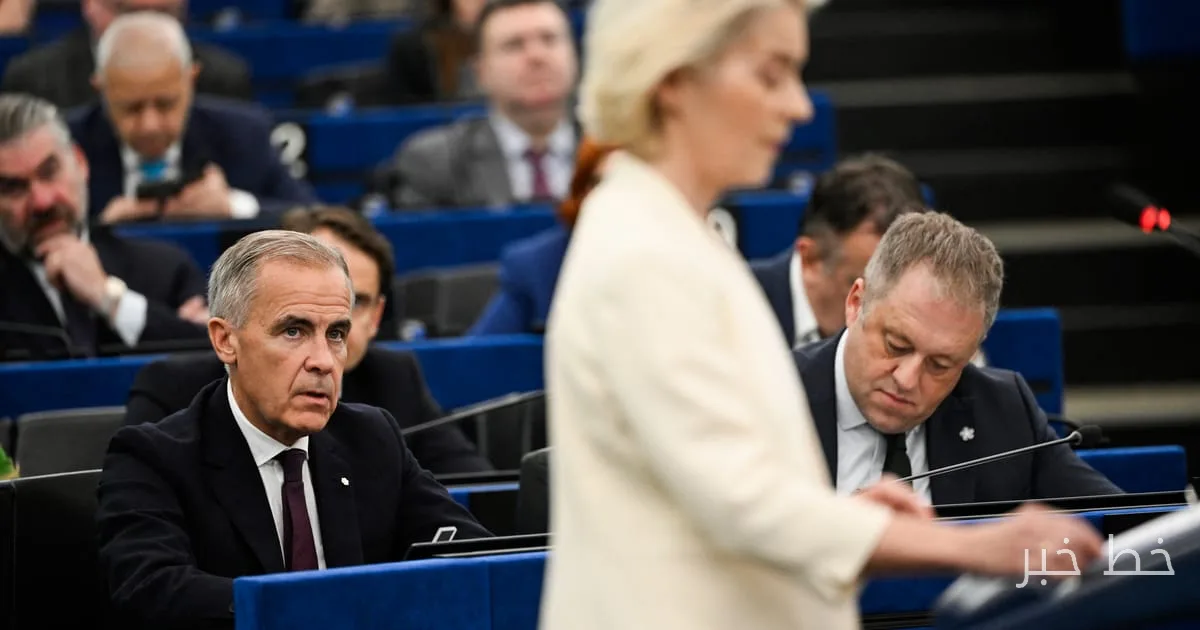
The European Union, announced by Ursula von der Leyen, President of the European Commission, is seeking to strengthen its relations with Canada and is considering the status of "associate membership" for this country. This announcement was made during the annual State of the Union address in Strasbourg and surprised member countries.
Member Countries' Concerns About Implications
Member countries of the European Union expressed concerns about this idea, and diplomats stated that none of these countries had consulted on this matter prior to von der Leyen's speech. Granting membership to the Union is the responsibility of the European Council, and there is no model for associate membership. One diplomat stated: "No one really knows what this means."
Read more: Ursula von der Leyen emphasized the need for Europe's independence against global threats
Potential Challenges in the Path of Associate Membership
Diplomats also pointed to potential challenges that may arise if associate membership is considered. Issues such as a preference for purchasing "made in Canada" which could conflict with single market regulations, Canada's steel industry which competes with the European steel industry, and taxes on car exports from the EU are among the issues that need to be resolved. One diplomat bluntly predicted that there is currently no agreement for further economic or political integration.
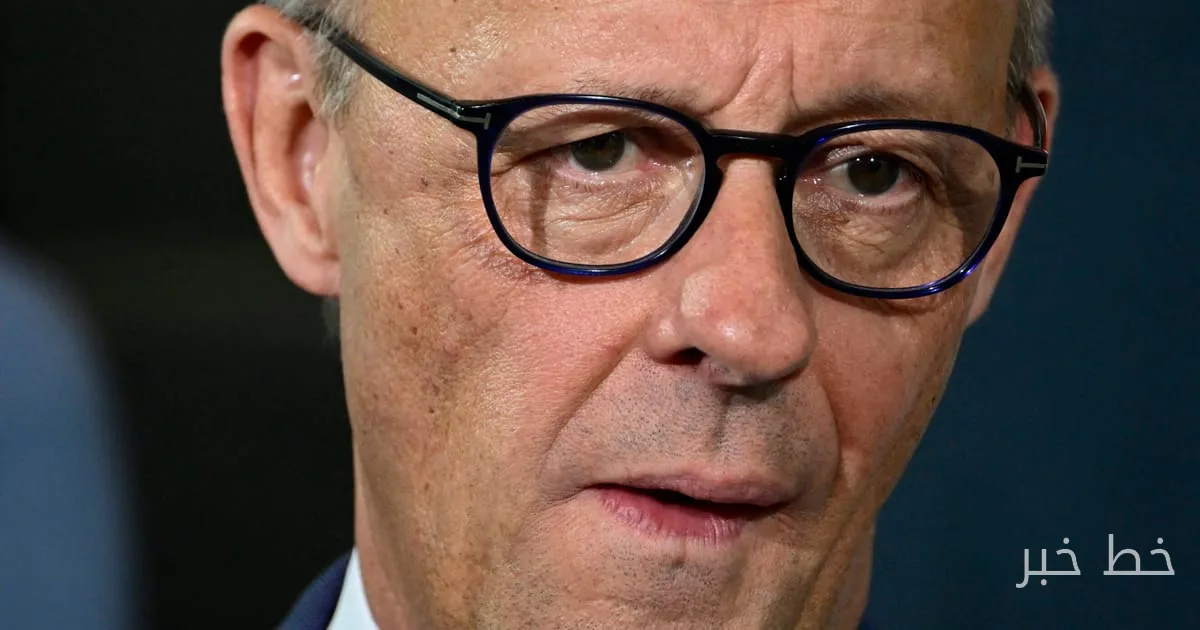
Meanwhile, Friedrich Merz, the Chancellor of Germany, had previously proposed "associate membership" as a way to get closer to Ukraine, but this idea was not accepted by Kyiv. However, representatives from countries met with the European Commission and the European Council last week and generally discussed the idea of closer relations with Canada.
In response to this announcement, Thomas Byrne, Ireland's Minister for European Affairs, stated that "the expansion of our Union to full members and perhaps associate members is in our strategic interests." However, representatives in Parliament were less convinced by this idea, and Manon Aubry, a leftist representative, asked von der Leyen, "Who gave you the democratic and popular mandate for this?"
Finally, Mark Carney, the Prime Minister of Canada, attended this speech and is seeking to reduce his country's dependencies on the United States and form a group of free trade-supporting democracies. He will express his vision for the future of this relationship in a speech before the European Parliament on Thursday.
Read more: Ursula von der Leyen emphasizes Europe's independence in her speech · France is under pressure to lift sanctions on Alisher Usmanov in the EU