Global greenhouse gas emissions are expected to decrease by 0.4% in 2026. This prediction is based on new research conducted by the Global Carbon Project, which tracks carbon emission trends worldwide.
Reasons for Emission Reduction
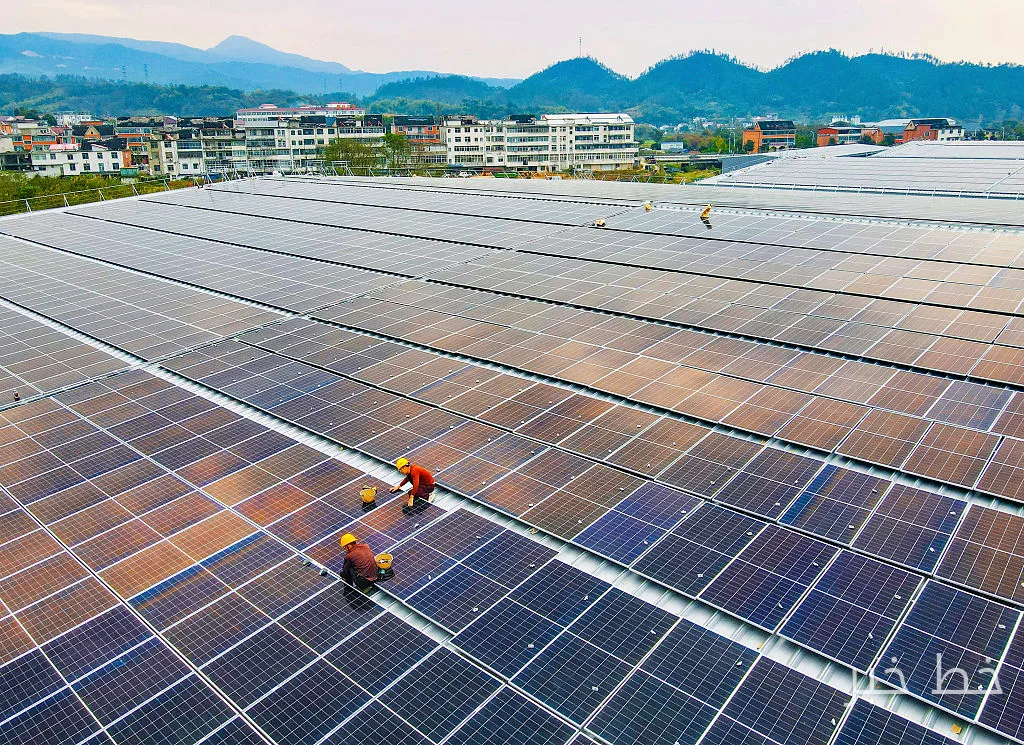
The reduction in emissions is particularly influenced by the energy shock caused by the Iran war and the growing use of wind and solar energy globally. Although this reduction is seen as a hopeful sign, researchers believe that this trend cannot be considered a permanent decrease in fossil fuel consumption, but rather a temporary change.
Read more: Trump Administration Will Not Approve New Wind Turbines Despite Supporting the Amendment
Mike O'Sullivan, a lecturer at the University of Exeter and one of the researchers of this report, says: "We are witnessing a reduction in emissions, but this is likely due to a short-term shock rather than a systematic peak."
Status of Major Gas-Emitting Countries
Two of the three largest greenhouse gas-emitting countries are expected to experience a reduction in emissions. China is projected to face a 0.9% decrease in 2026, following two years of stability or decline. This country is recognized as a leader in adopting clean energy, yet it is also responsible for 32% of global fossil fuel emissions. The United States is also expected to see a 1.3% reduction in emissions, primarily due to a decrease in coal emissions.
In contrast, India is expected to see a 4.4% increase in greenhouse gas emissions, which is in line with an average annual growth rate of 3.5% over the past decade. The European Union and Japan also expect to experience a slight reduction in emissions, while other parts of the world generally anticipate a 0.7% decrease in emissions, mainly due to reduced oil usage.
Challenges Ahead
Carbon emissions resulting from land use changes, another area tracked in this report, are expected to increase to 5.1 billion metric tons this year. This increase is due to rising peat fires caused by human activities and the El Niño phenomenon. These fires release significant amounts of carbon dioxide and greenhouse gases into the Earth's atmosphere.
CO2 concentration in the atmosphere is expected to reach 427.7 ppm in 2026, which is 54% higher than pre-industrial levels. The report indicates that the global carbon budget has now reached 150 billion metric tons, equivalent to less than four years of emissions if the world continues at its current rate.
While it is expected that the world will surpass the threshold of a 1.5 degrees Celsius temperature increase, the authors of the report emphasize some hopeful signs. Despite some regions experiencing an increase in emissions from 2019 to 2025, all regions have shown lower growth.
The authors estimate that between now and the end of 2028, 64% to 79% of emissions from new energy demand will be offset by solar and wind energy and electric vehicles. If the world continues to rapidly adopt clean energy, we may witness a peak and decrease in emissions in the coming years.
However, this does not mean the end of the work. O'Sullivan states: "There is good news about the rapid expansion of renewable energy, but on a global scale, this is entirely insufficient."
Read more: The Theft of 1,000 to 5,000 Rare Ants from the Dovon Wildlife Reserve · Voters Strongly Opposed Data Centers