The Federal Reserve on Wednesday raised its key interest rate by 0.25 percent, while Donald Trump, the former President of the United States, continued to call for lower rates. This rate hike is the first since 2023 and is aimed at controlling high inflation.
Trump's Reaction to the Interest Rate Hike
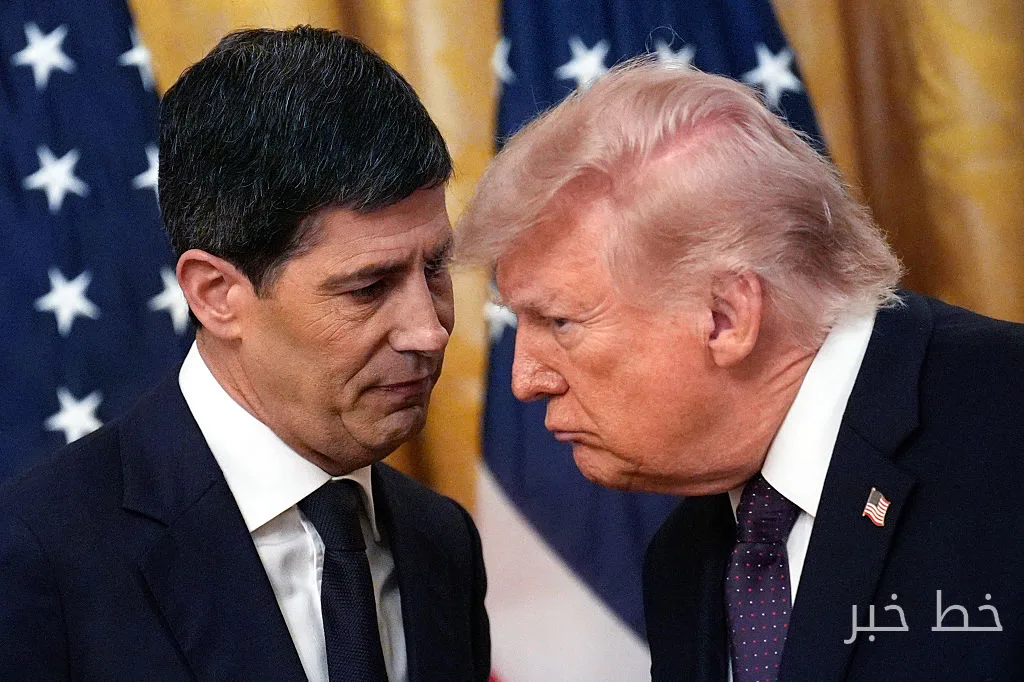
Donald Trump wrote on his social media: "Interest rates in the United States should be 1 percent or less, as we are the best credit in the world." He criticized the Federal Reserve and called for a rapid reduction in rates.
Read more: Greg Stanton Under Pressure Ahead of Federal Reserve Interest Rate Hike
Kwon Worsh, the new Federal Reserve Chair appointed by Trump in May, announced that all 12 members of the Federal Open Market Committee voted in favor of the interest rate increase. With this hike, the interest rate reached 3.75 to 4 percent.
Effects of the Interest Rate Hike on the Economy
The interest rate increase contradicts Trump's efforts to lower rates. He has previously criticized Jerome Powell, the former Federal Reserve Chair, and even referenced criminal investigations regarding the management of federal projects. Worsh defended the decision to raise rates by stating, "Inflation is very high and has persisted for a long time."
The Federal Reserve also expects another 0.25 percent increase this year, keeping rates stable until 2027. This rate increase could raise borrowing costs for purchasing homes, cars, and other large purchases.
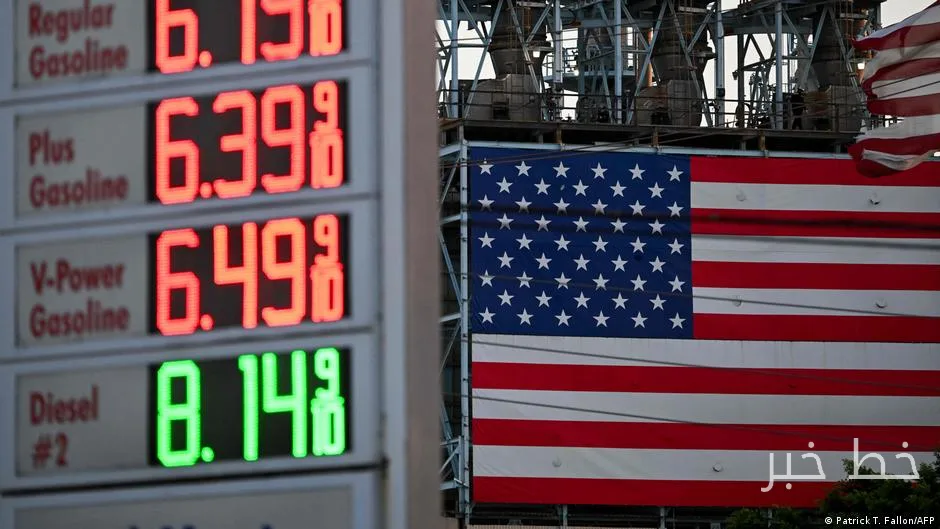
Trump also pointed to rising consumer prices in the United States, stating, "Our country is thriving with new investments!" He mentioned threats regarding reduced trade with countries with which it has a trade deficit.
Federal Reserve's Inflation Forecasts
In a statement accompanying the rate hike announcement, the Federal Reserve said this action would help achieve a 2 percent inflation target. According to forecasts, the inflation rate will not reach the 2 percent target by 2029.
This rate increase could benefit individuals who keep their deposits in banks, but it will be problematic for Americans who use credit cards to cope with the cost of living. According to data, total credit card debt reached $1.26 trillion in the second quarter.
As the midterm elections approach, this rate increase could impact the financial and economic situation of voters. Analysts believe that while this increase may not have a significant immediate impact, if rates rise further, it could create financial difficulties for many Americans.
Read more: Venezuela Needs $21 Billion for Earthquake Reconstruction · Federal Reserve Raises Interest Rates for the First Time in Three Years